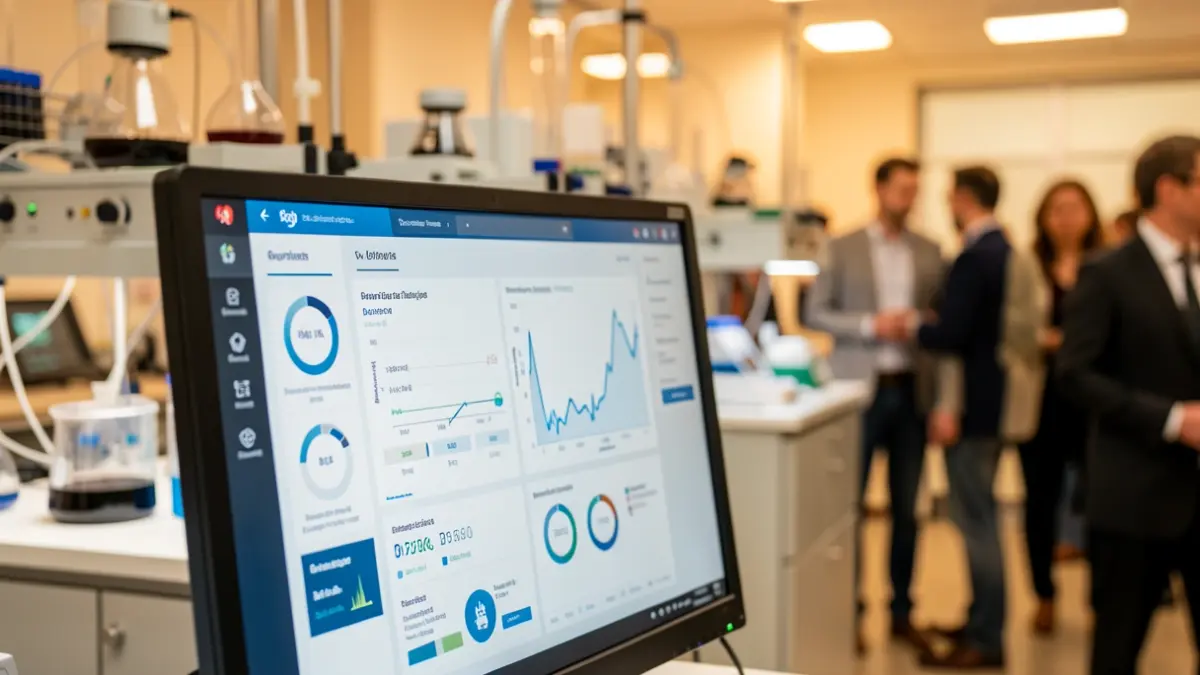
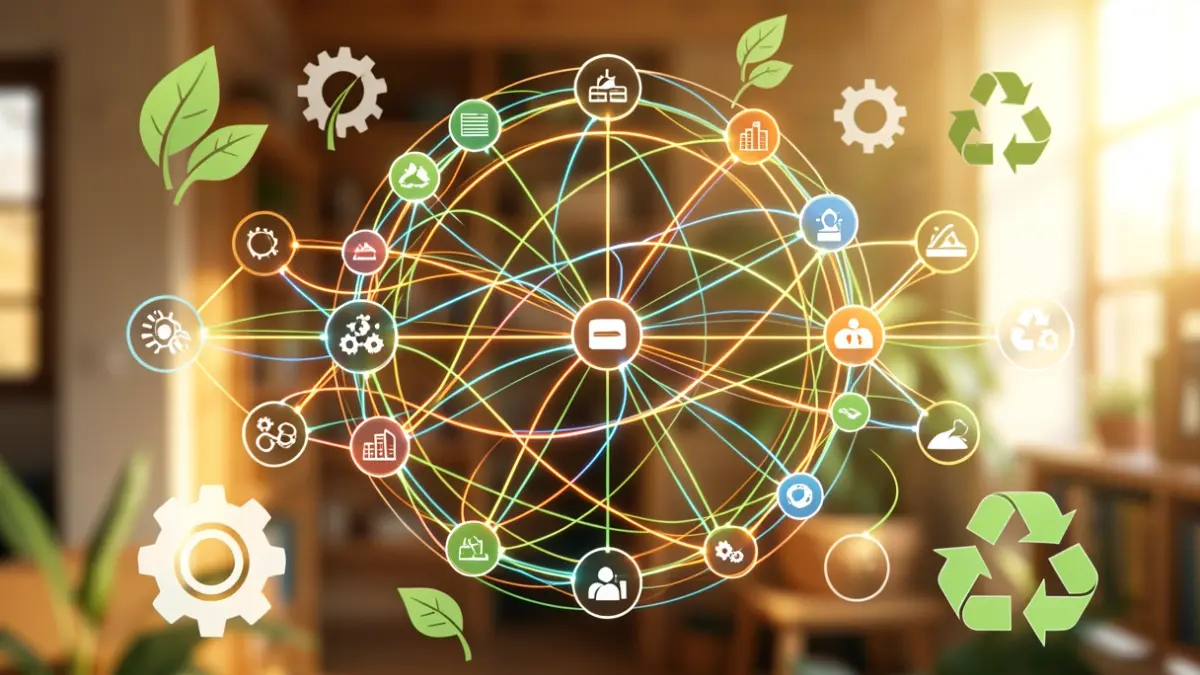
The Higher Technical School of Engineering (ETSE) at the University of Valencia was the venue for the BrainRecycle Summit 2026, an event organized by Hispania Silva, Kiwa España, and IRTIC-UV. The main objective was to present BrainRecycle, a data space designed to drive a more efficient, interoperable, and information-based circular economy.
The event brought together institutional representatives, companies, universities, technology centers, and experts in sustainability, innovation, and digital transformation. Discussions focused on how data spaces can connect organizations, improve traceability, and optimize processes in strategic sectors such as agri-food, plastics, textiles, recycling, and biogas.
Throughout the day, key topics such as data governance, interoperability, artificial intelligence, and new collaboration models between administrations, industry, and the scientific-technological ecosystem were addressed. Speakers agreed that the circular economy and the data economy are advancing hand in hand, and that the ability to securely share information will be crucial for accelerating sustainability and competitiveness in productive sectors.
“"In the digital ecosystem, trust is the invisible but indispensable pillar."
Rosa Valenzuela, Director of Innovation at Kiwa España, emphasized the need to ensure secure collaboration environments aligned with European regulations. She highlighted the importance of building secure, interoperable, and well-governed data spaces for risk-free information sharing.
Juan Cardona, General Director of Kiwa España, focused on the necessity of moving towards more connected and efficient models, where data generates shared value among companies, administrations, and knowledge centers, facilitating a more sustainable transition.
The institutional closing ceremony was attended by the third vice-president and Minister of Environment, Infrastructure, and Territory, Vicente Martínez Mus, and the Vice-Rector for Digital Transformation of the University of Valencia, Inmaculada Coma Tatay. Martínez Mus stressed that data spaces are real tools for information exchange between administrations, universities, companies, and technology centers, with direct application in the circular economy.
“"The future of the ecological transition will depend, to a large extent, on our ability to share knowledge, generate quality data, and transform it into smarter and more efficient decisions."
The BrainRecycle project aims to connect organizations in the agro-industrial, energy, and environmental sectors to share data with guarantees, improve traceability, and create new opportunities for efficiency and valorization of organic waste within an interoperable environment aligned with the European data strategy.