The project is being carried out by the Enzymatic Technology and Biostructures Research Group (Teze), part of the Institute of Agroecology and Food (IAA) and the Campus Auga. The initiative is funded by the Xunta de Galicia and the University of Vigo through postdoctoral training grants.
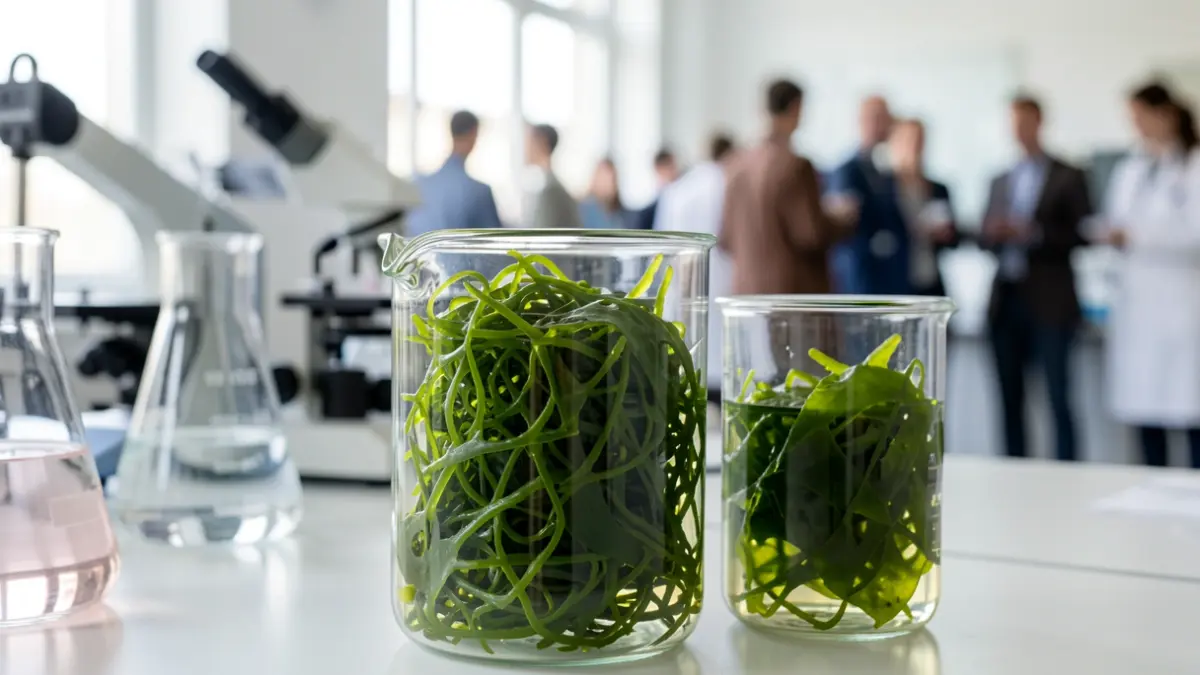
Researchers note that the composition of these seaweeds varies according to the season, which influences their properties. So far, they have identified fractions rich in sugars such as galactose, mannose, and glucose. These compounds have potential for sectors such as food, nutrition, cosmetics, and biotechnology.
The detailed study and exhaustive characterization of the polysaccharides present in Codium spp. constitutes a fundamental and preliminary step for their valorization in obtaining new functional ingredients.
To advance the research, the team has initiated a collaboration with the University of Oviedo to carry out the taxonomic identification of the samples. Subsequently, researcher Andrea Rodríguez will continue this line of work through a stay at the KTH Royal Institute of Technology in Sweden, where the molecular structure of the polysaccharides will be analyzed using advanced techniques.