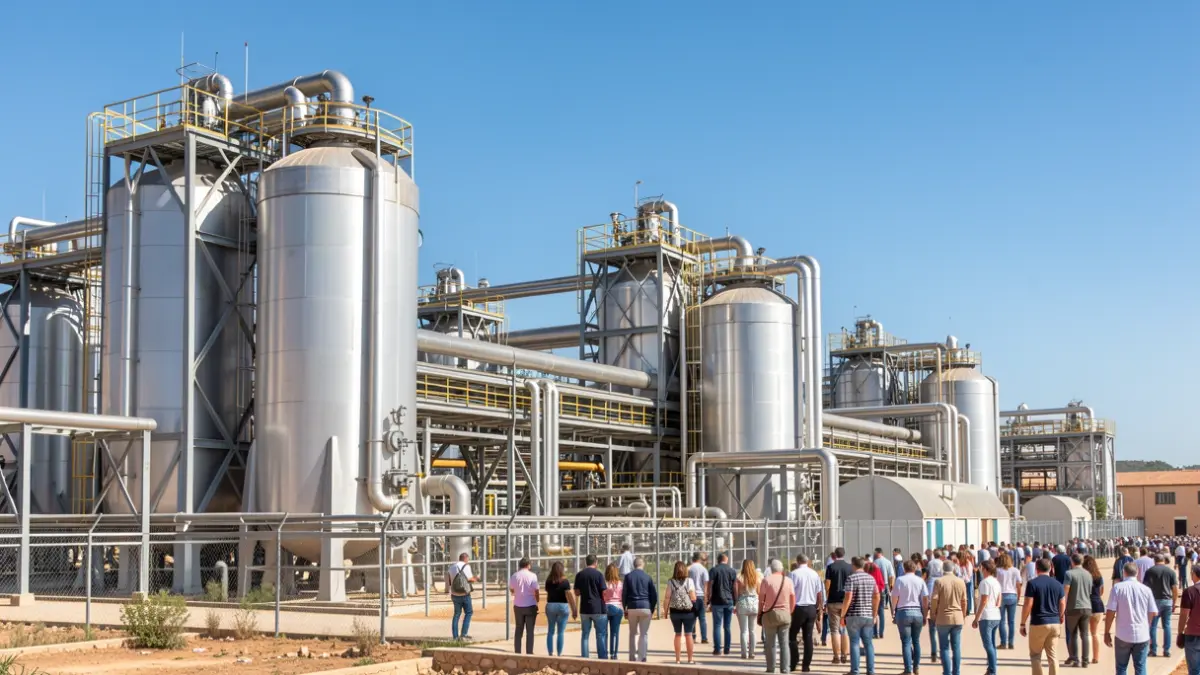
The infeasibility of dismantling the old Lemoiz nuclear power plant has been highlighted, as it contains 8 million cubic meters of cement and 1,000 tons of iron. For this reason, it has been decided to give it a new use: the construction of an integrated aquaculture center. This project will cover the entire value chain of fish, from genetics to its transformation.
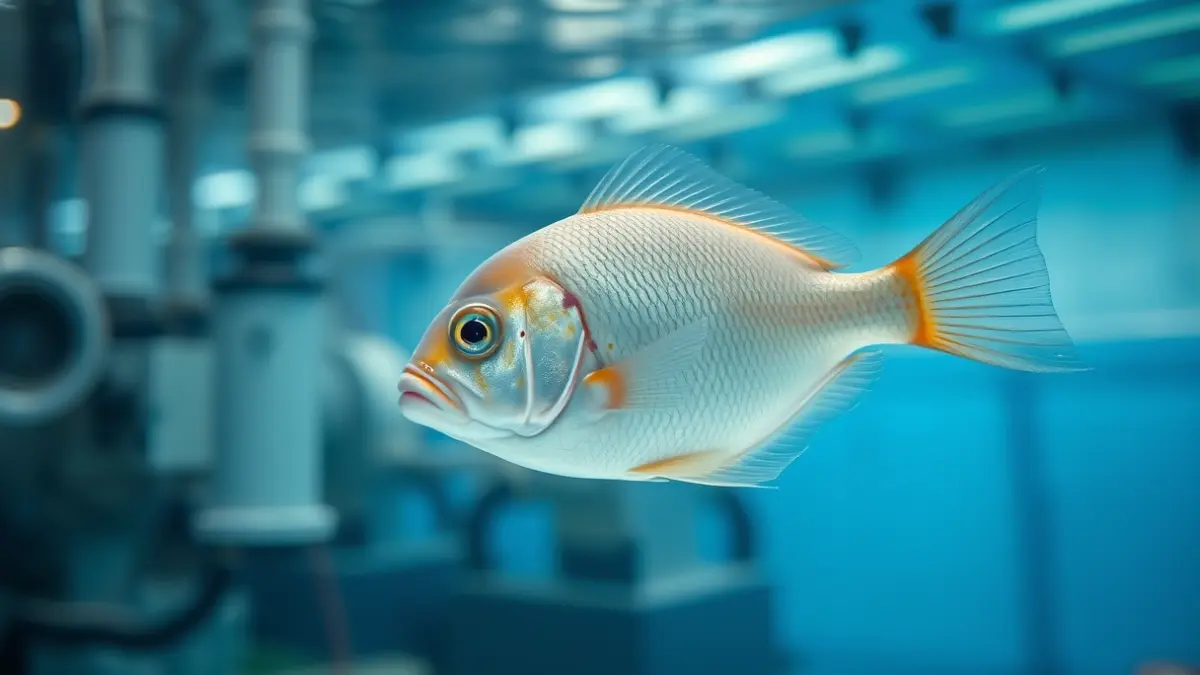
Through the awarded company Aquacría Basordas, Lemoiz would host the complete sole production cycle: genetics, breeding, fattening, preparation, and transformation. The center is expected to have a capacity to produce 3,000 tons of sole per year. This initiative seeks to strengthen the food sector, promoting the aquaculture model as the most efficient way to provide protein without depleting the oceans. The technological center AZTI will play a fundamental role in fish farming, the water recirculation system (RAS), nutrition, and traceability.
The project will be developed in phases. In 2027, the main works for the construction of the infrastructure would begin. In 2029, the first sole would start to be bred, and finally, in 2030, it is expected to begin commercializing fish with the Made in Euskadi seal. It has already been indicated that the initial works are underway, and managed by Azpilur Euskadi, the dike has been under repair since February to ensure the operational conditions of the future complex.
This initiative will not be limited to production; it will also be a space that brings together universities, research centers, and biotechnology companies. In total, an investment of 170 million euros has been planned for the next ten years, and the creation of 200 direct and highly qualified jobs is expected. Lemoiz, due to its direct access to the sea and its infrastructures, is an optimal location for this industrial project.
“"The agri-food sector is one of the sectors with the greatest projection on the planet."
However, the municipalities of the region, mayors from several town councils that are members of the Uribe Kosta Commonwealth, have stated that they have been excluded from the project. Since June 2025, they have requested the Basque Government to promote "collaborative governance," but they have not yet received a response. In February, they requested the opening of a process to decide the future of the nuclear power plant, and this request has been formally submitted for debate in the Industry, Energy Transition, and Sustainability Committee of the Basque Parliament.
“"We want to ask that citizens also have the opportunity to participate and express their opinion on the future of the plant and its surroundings."
According to the town councils, it is essential to listen to "the voices of citizens, social agents, and technicians and experts from various disciplines" to provide an "integral and shared" solution to this symbolic space that has been unused for decades.