The University of the Basque Country (UPV/EHU), the LAB union, and the research center BC3 have proposed a new energy model for 2050 to achieve energy self-sufficiency, independence, and fairness in the Basque Country. According to research published in the journal Utilities Policy, it would be necessary to reduce energy consumption by 51% and increase local renewable energy generation by 386%.
The study, conducted by researchers Ortzi Akizu and Erlantz Lizundia (UPV/EHU's LCTG group), Martin Lallana (LAB), and Unai Pascual (BC3), aims to promote debate on the current energy model. This proposal, encompassing the entire Basque Country, was developed using data from the French Basque Country, the Basque Autonomous Community, and the Chartered Community of Navarre.
The Basque Country has one of the highest dependencies on fossil fuels in Europe, with 79% of its energy consumption coming from oil and gas. The transition model proposed by the research forecasts a 51% reduction in energy consumption through sector-specific measures, such as an 80% reduction in energy transformation, 61% in transport, 30% in industry, and 50% in residential thermal consumption.
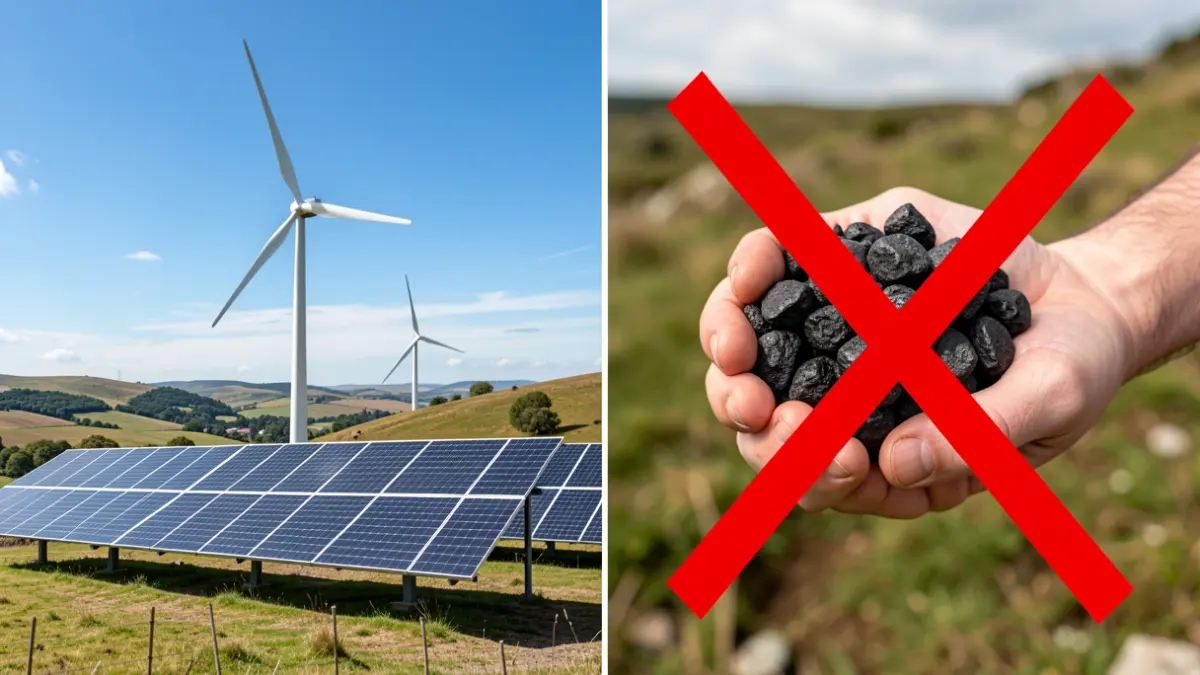
To achieve this, renewable energy generation would need to increase by 386%, installing 37 GW of power through wind and photovoltaic parks on rooftops and non-productive land. Furthermore, it is proposed that 65% of the energy be publicly owned, allocating 2.6% of the national budget until 2050.
The researchers emphasize that the energy transition would not be fair if it were not public and renewable. This would require establishing democratic and just public guarantees to protect the territory's socio-ecological fabric and to counter the trend of companies acquiring land.
The LAB union identified the need to create a new energy model, and the UPV/EHU and BC3 have joined this effort. They state that now is the time to open a debate on how to drive society's energy transition, both at the company level, from public institutions, and at the individual level.