This new facility, located at the Moll Príncep d'Espanya, is promoted by International Car Operators (ICO), a subsidiary of the Japanese group Nippon Yusen Kabushiki Kaisha (NYK). With an investment of 75 million euros, the project aims to expand the company's presence in Spain and establish a new logistics center in southern Europe for roll-on/roll-off (RoRo) transport.
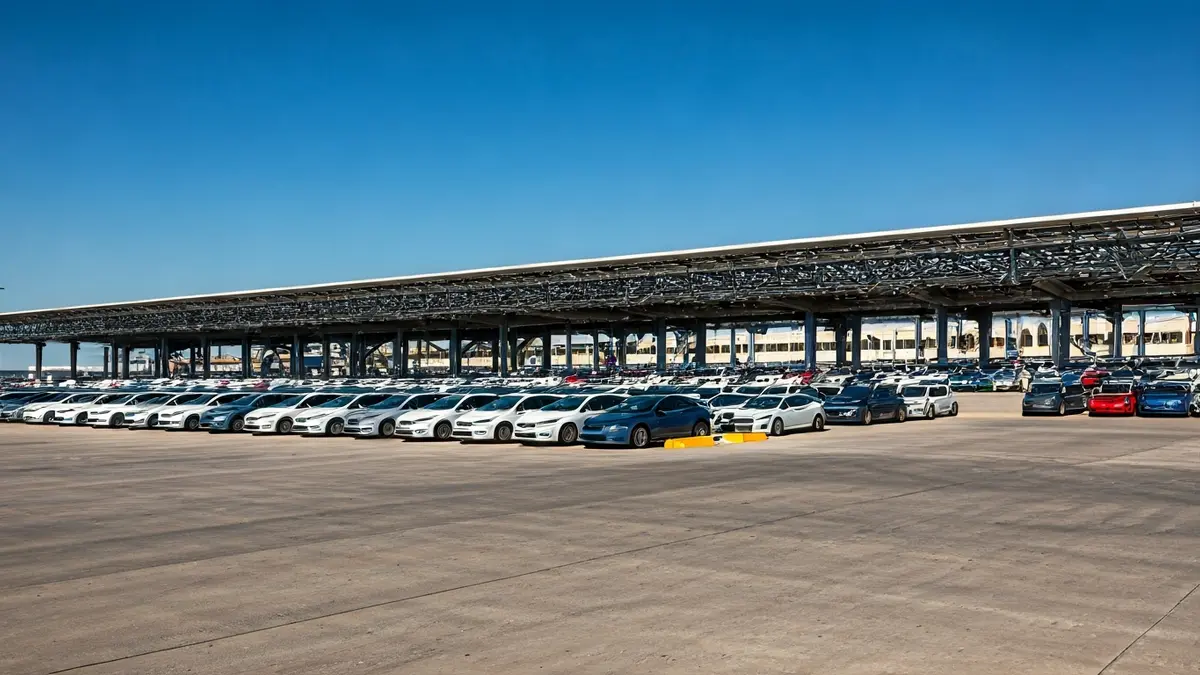
The terminal will span a concession of 101,058 square meters over 27 years and will have an annual handling capacity of 180,000 vehicles. During peak periods, it can accommodate up to 11,000 units, of which 8,160 will be stored in a multi-story facility designed to optimize space and reduce internal movements. It will be fully paved and equipped for both conventional and mega-trucks, including charging points for electric vehicles and automated scanning systems at entry and exit points.
Digitalization will be a fundamental pillar, with ICO's Smart Terminal platform enabling real-time vehicle tracking and process optimization. The strategic location in the Western Mediterranean and the availability of tracks with three different gauges will facilitate agile connections between maritime, rail, and road transport, enhancing the efficiency of vehicle movement between southern and northern Europe.
“"This terminal reflects how we are growing as a company. Automation helps us work more safely and intelligently, but people remain essential."
The project is conceived as a "green hub," with optimized internal flows and infrastructure adapted to the growth of electric vehicles, prioritizing operational efficiency and long-term environmental performance. This initiative, in collaboration with companies such as NTI, stow Group, Stranger, Ceratec, and Mes Advocats, consolidates the Port of Barcelona's position as a leading logistics platform in the automotive sector.