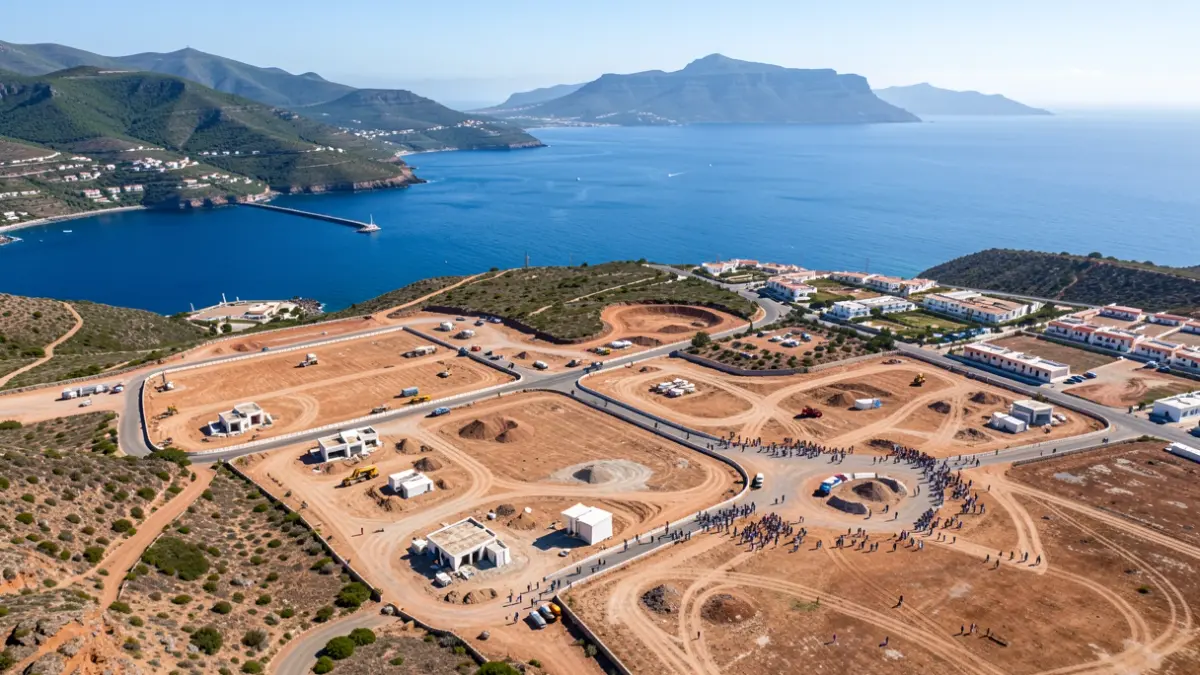
The pact reached will allow 36 plots, previously affected by the tourism moratorium in the province of Las Palmas, to be considered for new projects. While the agreement does not directly authorize the construction of hotels or other tourist infrastructure, it returns the decision-making power regarding the use of these lands to the urban planning regulations of each municipality and the landowners.
According to Onán Cruz, Director General of Planning for the Regional Ministry of Territorial Policy, the vast majority of these plots, 30 in total, are located in the south of Gran Canaria. The remaining ones are divided between Fuerteventura (five plots) and Lanzarote (one plot).
Cruz explained that the Regional Government reached this agreement to avoid further public expenditure on reclassifying lands that, if they were rural in urban or tourist areas, would lose utility. He emphasized that urban planning will determine whether they are designated for green spaces, residential areas, or hotel establishments.
In response to statements by Román Rodríguez, who linked compensatory judgments to Law 17.1 of Law 6/2009, Cruz stressed the interconnection between the tourism moratorium initiated in 2001 and the territorial planning law of 2009. He noted that the Canary Islands Parliament based its actions on the 2003 guidelines law to contain the growth of accommodation capacity and promote quality in the tourism sector.
Román Rodríguez, national secretary of Training, Programs, and Strategies for Nueva Canarias, stated that each Canary Islands Parliament has made its own decisions and that the laws of 2001 and 2003, promoted by the government he led, did not result in any condemnatory judgments despite numerous lawsuits. Rodríguez described linking current compensation to those laws as "perverse," recalling that they were unanimously approved.
The former President of the Government of the Canary Islands criticized the current government's strategy under Fernando Clavijo, calling it "deception," arguing that it aims to create the impression that nothing can be done and that the only solution is to accept an increase in tourist beds.