Rehabilitation after a stroke can be a long and complex process, often fragmented across different care settings. Current monitoring relies on periodic assessments, hindering a comprehensive view of recovery and treatment adaptation to individual needs.
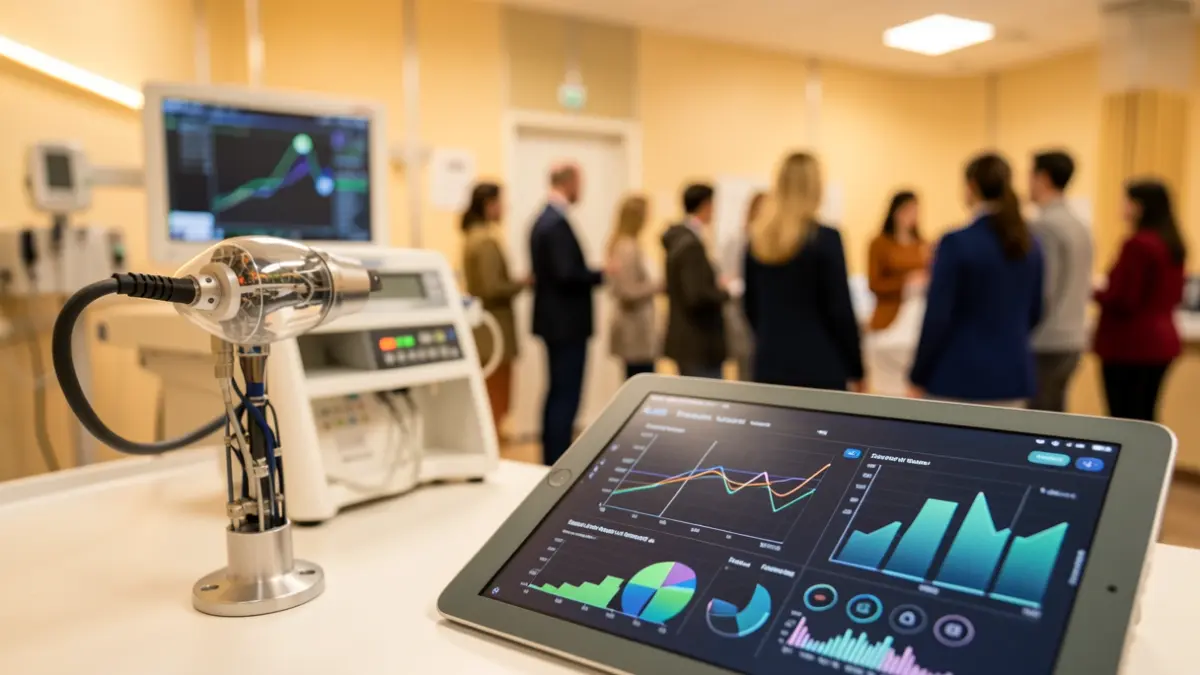
To address this challenge, RECUPERA is born, a project to be developed between 2026 and 2029. The platform will integrate digital biomarkers, biomechanical sensors, plantar pressure sensors, computer vision, and artificial intelligence to objectively measure functional patient evolution and connect it with personalized, adaptive rehabilitation.
"RECUPERA aims to better adapt rehabilitation to each patient's progress and provide continuous support throughout their recovery, from hospital to home," explains Silvia Raga, CEO and co-founder of DyCare.
The solution will analyze motor function, gait, and therapeutic exercise execution, developing a multidimensional indicator specific to stroke. Based on this information, the platform will propose adjustments in exercise intensity, type, and progression using predictive models.
"Having objective, continuously collected data can help us better understand each patient's progress and move towards more personalized rehabilitation. The combination of technology and clinical knowledge is key," highlights Dr. Marta Rubiera, neurologist at the Stroke Unit of Vall d’Hebron University Hospital.
Mireia Claramunt, CTO and co-founder of Ephion Health, notes that "integrating sensors, computer vision, biomarkers, and artificial intelligence will allow us to transform recovery data into useful information for personalizing and adjusting rehabilitation."
Recommendations will be integrated into a clinical decision support system (CDSS), providing information to healthcare professionals. The platform will also incorporate explainable artificial intelligence (XAI) tools for traceable data interpretation.
The project brings together five entities: DyCare leads the consortium and contributes its ReHub® technology; Ephion Health provides technical coordination and leads functional assessment; Eurecat offers expertise in data analysis and AI; VHIR leads clinical validation; and Fundació Ictus incorporates the patient and caregiver perspective.
The platform will undergo clinical validation with stroke patients in various stages and care settings. The program, with a budget of 1.03 million euros, will run for three years.