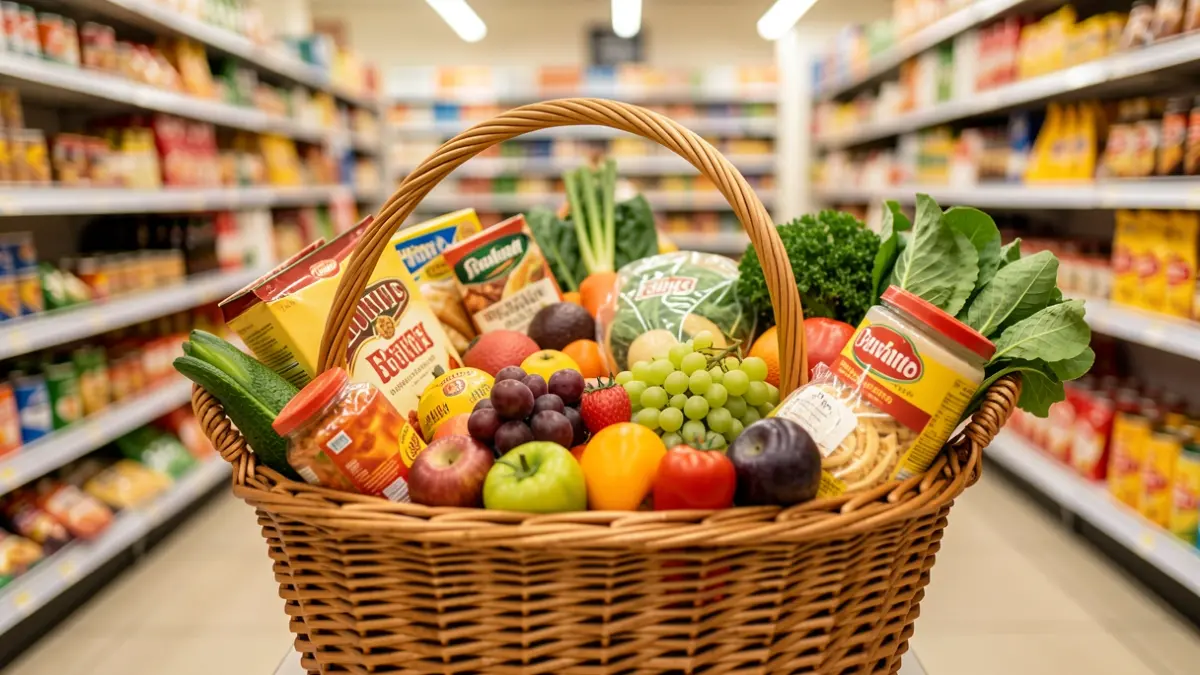
Food has become the fastest-growing expense category in household budgets for basic needs in the AMB over the last eight years. The study, released this June, indicates that the percentage spent on groceries has climbed from 17.7% in 2016 to 22.6% in 2024, an increase of nearly five percentage points. This rise surpasses the growth in housing costs, which went from 33.1% to 35.5% in the same period.
Other budget items like transportation and leisure have seen their share decrease. Entertainment spending has fallen from 8.1% to 6.9%, while expenditure on travel, both by private vehicle and public transport, has drastically dropped from 7.7% to 1.9%.
“"The globalized agri-food system is under pressure"
The AMB attributes this widespread increase in food prices to factors such as global population growth, urbanization, climate change effects, difficulties in accessing water and arable land, and international conflicts. The complexity of food supply chains, with more intermediaries and increased distribution activity, also makes products more sensitive to rising fuel costs.
The study also reveals a shift in dietary habits. The percentage of people in the metropolitan area unable to afford protein at least every two days has risen from 1.8% in 2017 to 6.1% in 2026. Concurrently, the number of citizens adhering to the Mediterranean diet has decreased from 75% in 2016 to 56% in 2022.
“"If the increase in food prices continues and there are no food aid measures [...] certain population groups will face greater difficulties accessing specific products"
The AMB emphasizes the importance of promoting adequate dietary habits and environmental education in schools, as well as protecting local neighborhood businesses to encourage healthier food options. Although childhood obesity has decreased, adult obesity remains stable at 15%.