Seville-based developer GS has announced its ambitious goal to double its business volume by 2030, setting it at 600 million euros. Last year, the company's turnover was 302 million, representing a 17% increase. To achieve this target, the company, chaired by José Luis Vera, who owns 65% of the capital, will need to maintain annual growth rates close to 20%.
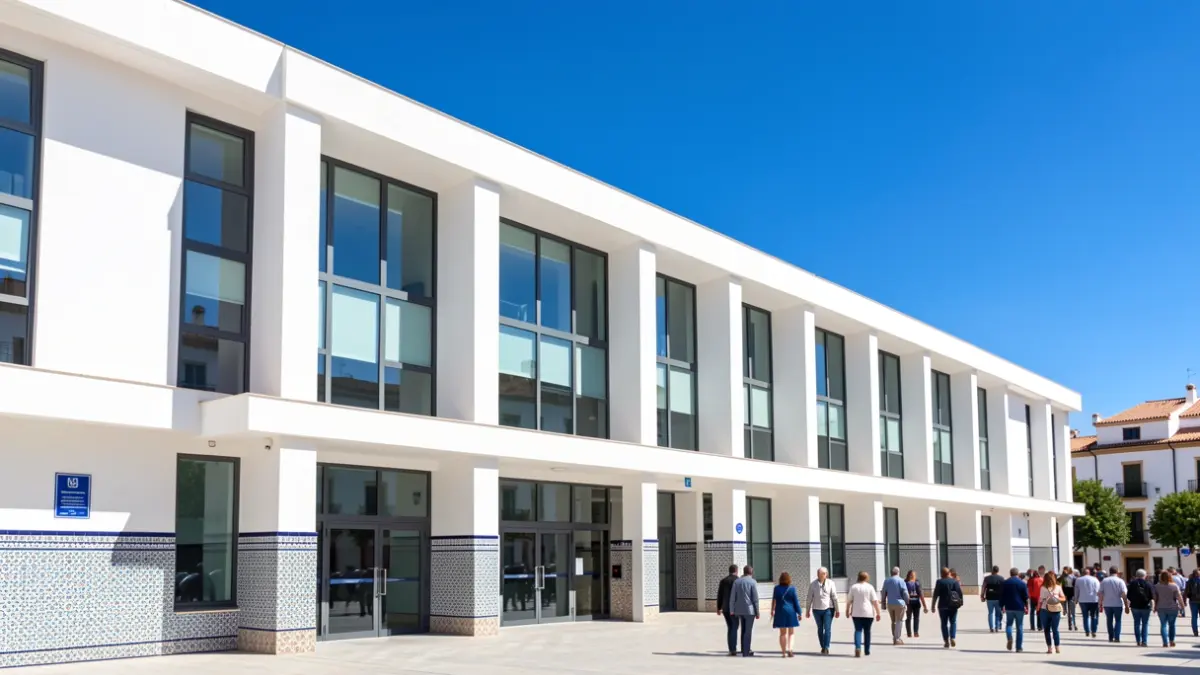
Currently, GS has 26 developments underway, 12 of which are in Andalucía. The company manages a total of 2,500 assets on the Iberian Peninsula, including 1,800 homes. Its activity extends beyond Seville, encompassing cities such as Málaga (especially the Costa del Sol), Cádiz, La Antilla beach (Huelva), Sanxenxo (Pontevedra), Vigo, Santander, San Sebastián, Valencia, Madrid, and Ibiza. On the latter island, in addition to developing in Santa Eulalia, it has recently acquired land in Cala Gració.
GS's expansion has also reached the international level with two developments in Portugal, specifically in Castro del Río (Algarve) and Lisbon. Projects in Italy, France, and the United Arab Emirates are on hold pending local partnerships.
José Luis Vera, president and founder of GS, emphasizes that growth is based on geographical expansion and the exclusivity of its projects. The company employs a co-investment model, establishing independent Special Purpose Vehicles (SPVs) for each development, where GS typically contributes 50% and seeks external investors for the remainder. In its 25-year history, they have delivered approximately 7,000 homes.
Despite interest from national and international funds, GS has ruled out bringing in new partners, prioritizing its five-year business plan. The company offers annual returns of between 15% and 17% to its over 200 co-investors, who include entrepreneurs, figures from the entertainment and football worlds, and Spanish family offices. GS is also considering expansion into Zaragoza and Castellón, and has recently closed a new project in Nerja (Málaga) and another near the Congress of Deputies in Madrid.
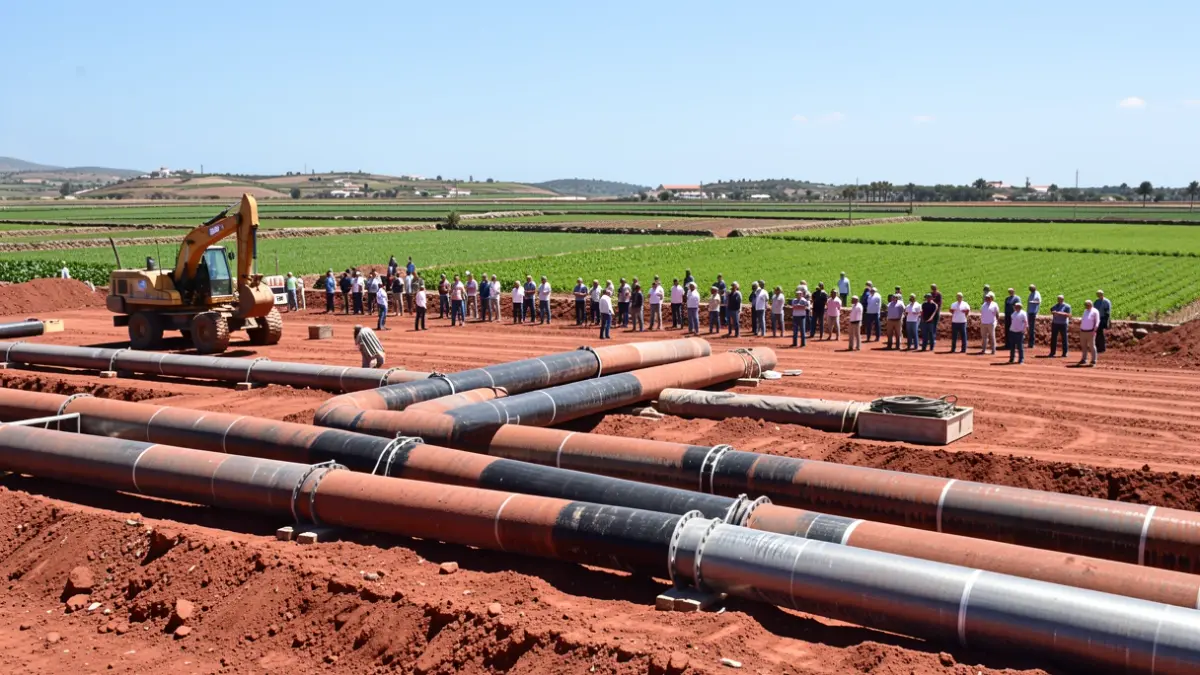
A key strategy for GS is acquiring buildings in prime areas for renovation or conversion to residential use. Agility in decision-making is crucial for securing land in privileged locations. The company typically buys finished plots ready for development, although in some cases, such as in Zahara de los Atunes (with GAT Inversiones, owned by José María Pacheco and Rosauro Varo) and La Antilla (Lepe, Huelva), it has undertaken urban development. The latter project, which includes a five-star hotel and 330 homes, involves José María Pacheco and the Sáenz de Vicuña family, marking GS's entry into the hotel sector with an investment of 102 million euros.
GS has specialized in the residential sector, avoiding offices and logistics. It also does not plan to enter the rental housing market, arguing that its model focuses on prime products and that current housing laws create legal uncertainty for owners, potentially withdrawing properties from the market and increasing rental prices. The developer believes the solution lies in making more land available to the administration to expedite development.
The shortage of housing supply in Spain is a structural problem, with 250,000 new households created annually compared to 120,000 homes built, resulting in an accumulated deficit of over one million units. Vera highlights the need for the administration to streamline procedures and licensing, commending the Seville City Council's initiative to delegate approvals to external companies.
Regarding the geopolitical situation, José Luis Vera states that, far from having a negative impact, it is attracting foreign buyers to areas like the Costa del Sol, where they represent 85% of sales in Málaga and Balearic Islands.
The lack of qualified construction labor remains a problem in Andalucía, despite the high number of job seekers. This shortage slows down and increases the cost of construction, affecting subcontractors for electricity, carpentry, and plumbing. Vera proposes training workers and facilitating visas for foreign labor as solutions, citing the model used in Dubai.