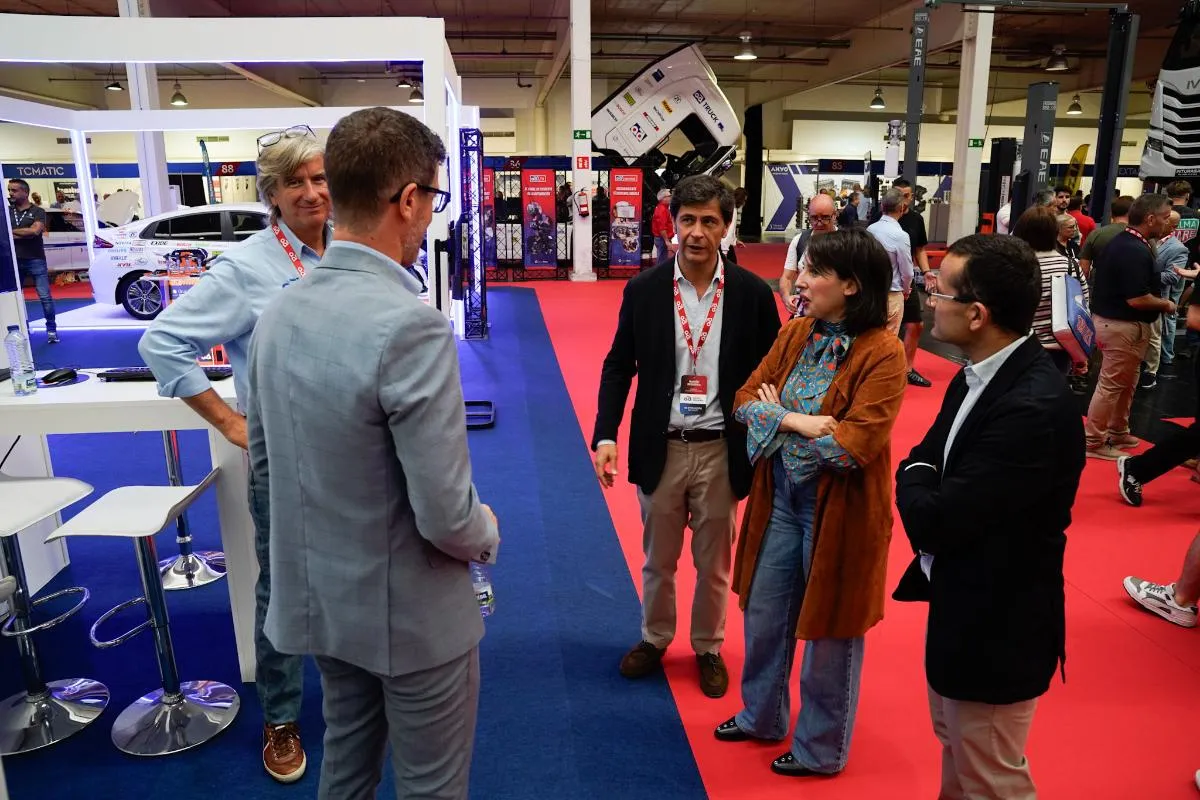
The report, presented in collaboration with the Seville Chamber of Commerce Foundation, attributes this improvement to strong family consumption, supported by record-high employment. Tourism also benefits, consolidating Spain and the region as a "refuge destination" amid tensions in the Mediterranean and the Middle East. The construction sector, boosted by residential investment and public works funded by European funds, significantly contributes to this positive outlook.
OEA President Francisco Ferraro highlighted that increased defense spending could add an additional tenth to the Andalusian Gross Domestic Product (GDP), along with a "slightly expansionary" regional budget. These factors help mitigate risks such as inflation, which could exceed 3% annually, and the economic weakness of key partners like Germany and France, as well as "stagnant" productivity.
Ferraro warned that the current growth model, based on the boom in tourism, foreign labor, and public spending, may not be sustainable long-term. He noted that if forecasts are met, Andalusia will have grown 12% above pre-pandemic levels by the end of 2026, showing convergence with the national average due to GDP growth and slower population increase.
For 2027, the OEA forecasts a slowdown to 1.9% if no "new factors" emerge to drive or reverse growth. The first quarter of 2026 closed with 0.7% growth, similar to the national rate, and 0.5% is projected for the second quarter. Manuel Alejandro Hidalgo, a member of the OEA expert panel, indicated that the year's start could have been better without the impact of storms and the train accident in Adamuz, although he expects resistance to the international context to gradually erode.
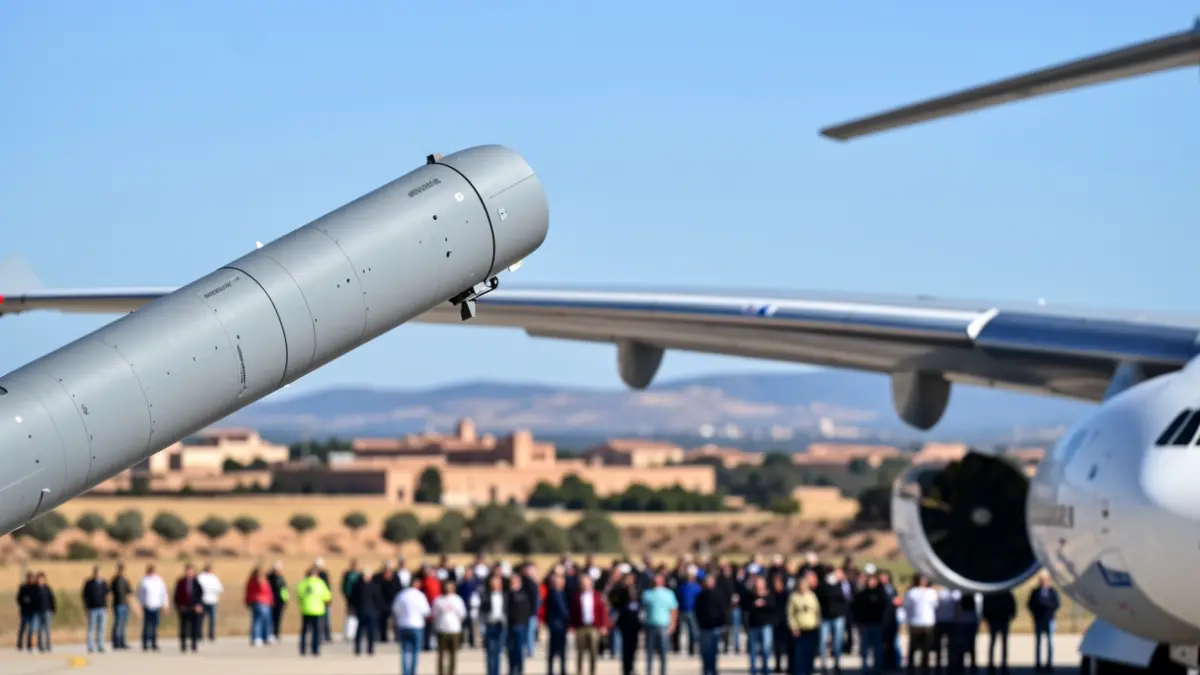
Despite uncertainty, exports have not weakened as expected, partly due to a rebound in the Sevillian aeronautical sector. Construction shows signs of reactivation, albeit not intensely, while industry suffers from rising energy costs. The news also mentions the opening of an A330 MRTT tanker aircraft conversion center by Airbus in Sevilla.