What began three and a half decades ago as a small oil mill to process local farmers' olive harvests has transformed into an agri-food company with over 540 members and a workforce exceeding one hundred employees. With a turnover close to 18 million euros, the entity has proven that professional management and diversification are key to the survival of the rural world.
One of the most notable aspects is its ability to curb land abandonment. While the Alto Palancia region lost nearly 20% of its agricultural land between 2000 and 2020, in Viver, the cultivated area has grown by 5%. Furthermore, the municipality has experienced sustained demographic growth, rising from 1,196 inhabitants in 1991 to 1,726 in 2025.
“"The cooperative has been the subject of a metamorphosis thanks to the enthusiasm and hard work of a group of people who believe in the future of the rural world."
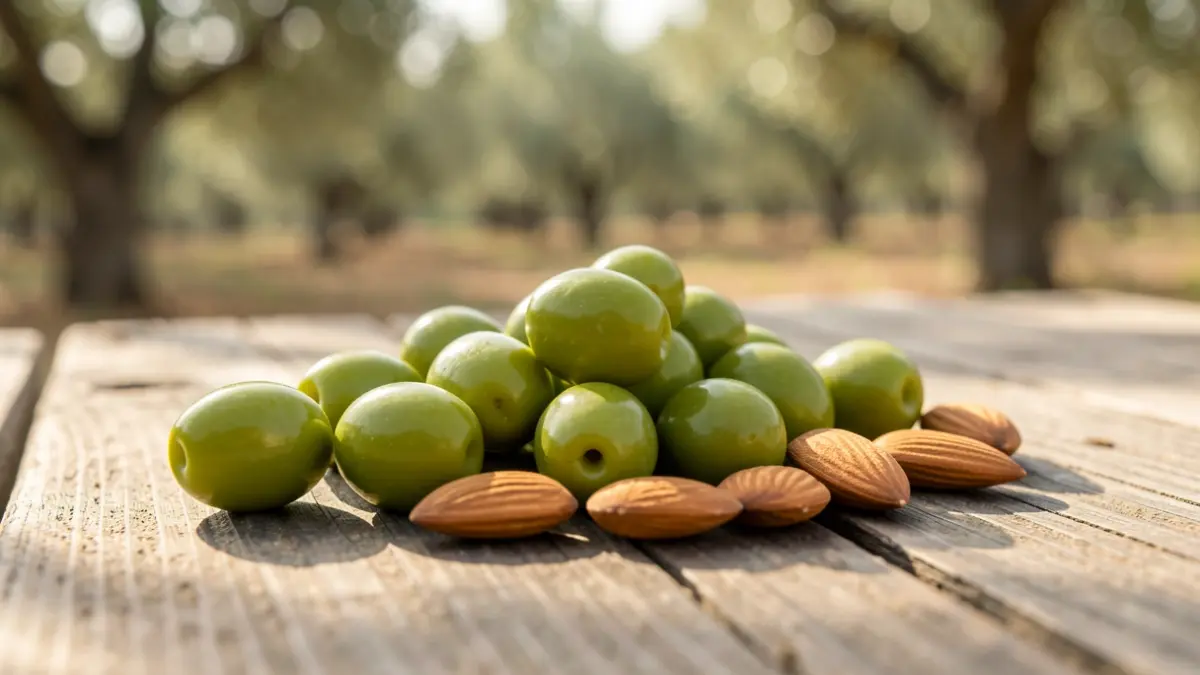
The entity's strategy is based on diversification, currently featuring six production lines including olive oil, almonds, walnuts, and wine. The cooperative has also innovated in direct farm management, taking over the cultivation of plots when members cannot find generational succession, making them the largest agricultural producer in the region.
Finally, the cooperative has extended its social impact through collaboration with local councils to open proximity stores in small municipalities, ensuring access to basic products. With future projects including the expansion of the land management model and leadership in walnut production, the entity continues to work towards making the rural world a place with more opportunities.