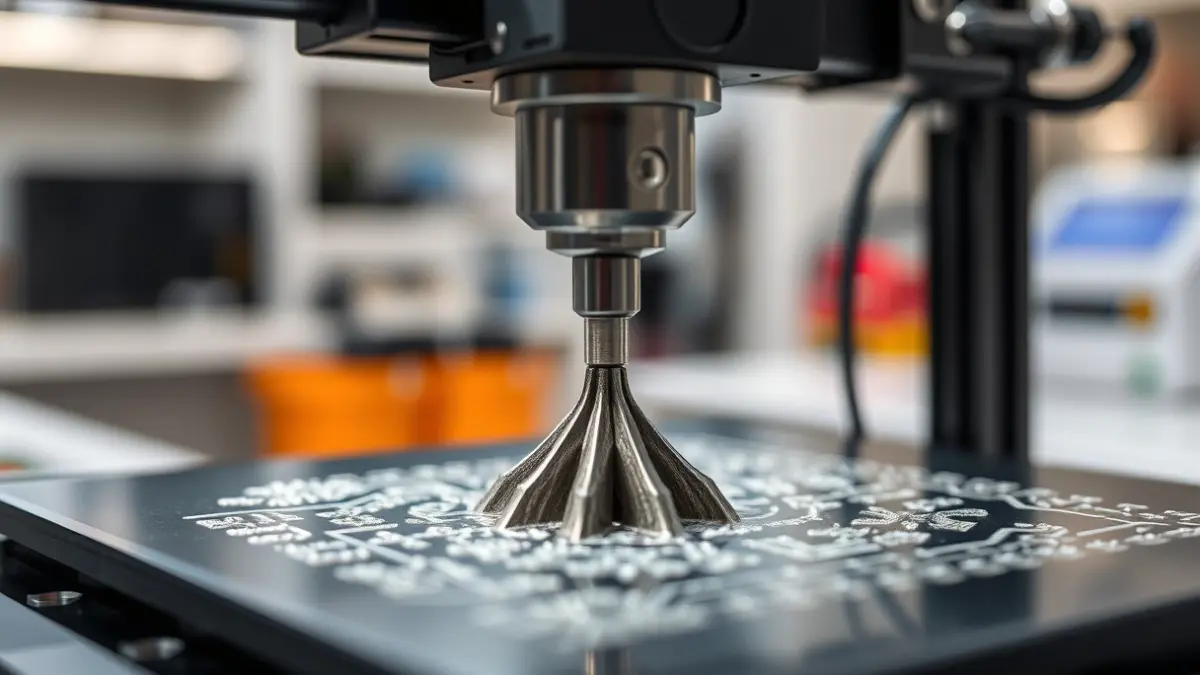
The catalyst, designed by the Department of Inorganic Chemistry and the University Institute of Materials (IUMA), consists of a copper metallic structure with internal channels created by three-dimensional printing. On this structure, an intermediate layer of copper oxide and a dispersed phase of cerium oxide are generated.
“"Unlike conventional catalysts, where much of the material acts only as a support, in this system the entire copper structure participates in the catalytic reaction."
Thanks to this design, the surface of active sites is larger, which increases process efficiency and reduces the necessary reactor volume. The material shows high activity and selectivity in the elimination of carbon monoxide present in hydrogen-rich streams, originating from hydrocarbon reforming processes.
The technology oxidizes this toxic and polluting gas without consuming hydrogen, a fundamental aspect for advanced energy applications or fuel cell systems that power, for example, automobiles. The use of 3D printing allows for the design of more efficient and adaptable complex geometries, optimizing the active phase of the technology.
Furthermore, the use of copper, an abundant and relatively low-cost metal, reduces the need for noble metals and contributes to lowering the overall price of the catalyst without compromising its performance. Its main applications include hydrogen purification in reforming plants, gas pretreatment for fuel cells, emission control in the chemical and petrochemical industry, and processes related to the production of sustainable fuels and renewable energies.
The innovation has been validated at laboratory scale with functional prototypes and catalytic tests demonstrating greater carbon monoxide conversion and a lower reaction initiation temperature compared to conventional designs. The invention is protected by a patent application, and the Research Results Transfer Service (OTRI) of the University of Alicante is seeking companies interested in its commercial exploitation.