Researchers from the Institute of Agro-food and Agro-environmental Research and Innovation (CIAGRO) at the Miguel Hernández University of Elche (UMH), Juana Fernández López and José Ángel Pérez Álvarez, have undertaken a scientific-academic stay at the Faculty of Animal Science and Food Engineering of the University of São Paulo (USP) in Brazil. The objective was to collaborate on transforming agro-industrial by-products into innovative solutions for improving the preservation of meat products.
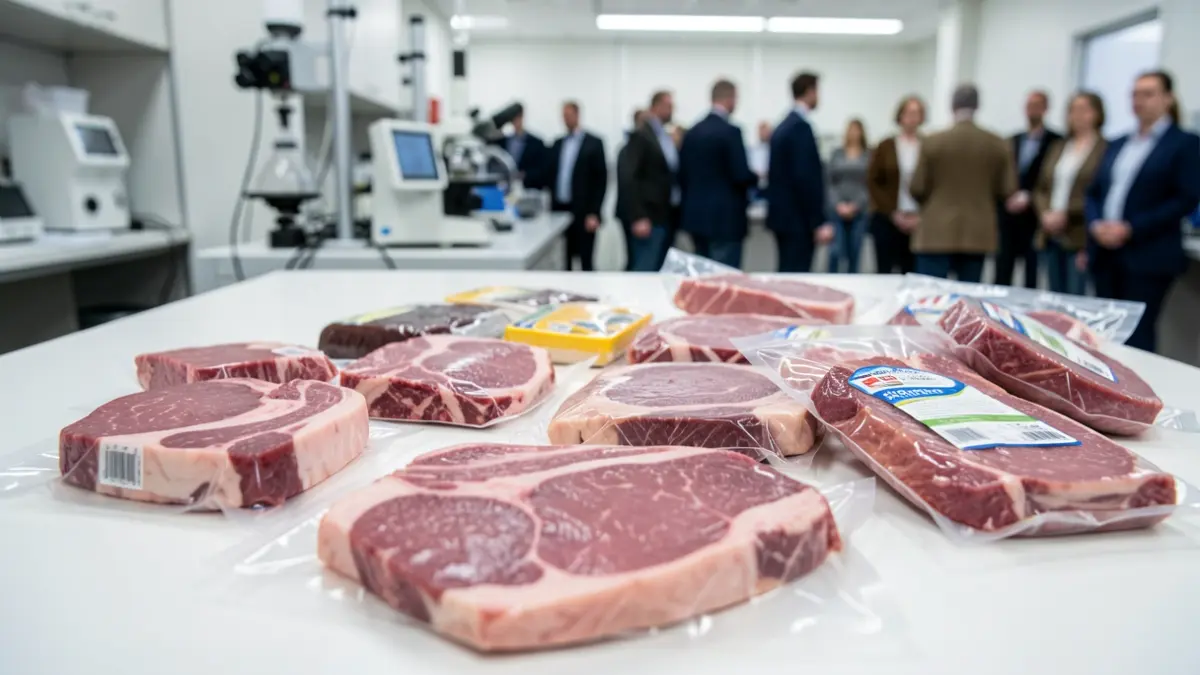
This collaboration is part of the SPRINT project, led by UMH researcher Juana Fernández López and Brazilian researcher Carmen Favaro Trindade, with funding from the UMH and the Fundação de Amparo à Pesquisa do Estado de São Paulo (FAPESP). The project focuses on utilizing by-products from Brazilian jatobá and Spanish citrus fruits to develop edible films and coatings that extend the shelf life of meat products, aligning with circular economy principles.
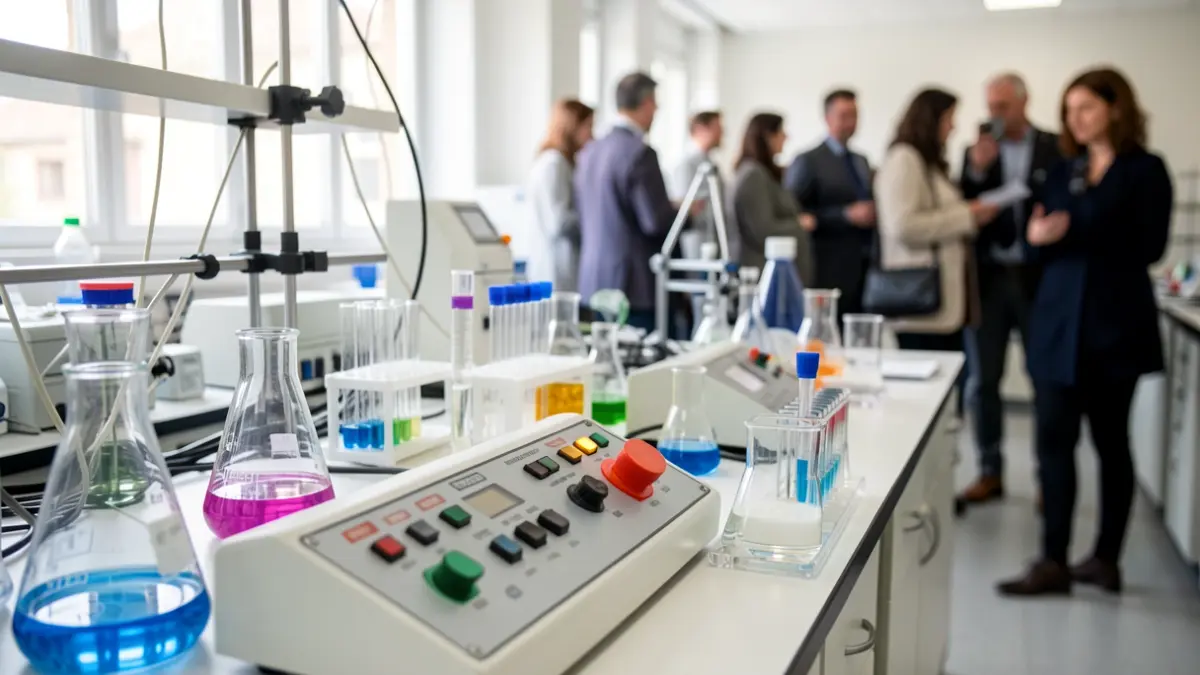
The cooperation between UMH and USP combines complementary expertise in food science and technology, hydrocolloids, biopolymer materials, meat products, and natural resource valorization. During the stay, UMH researchers participated in workshops at USP's Laboratory of Quality and Stability of Meats and Meat Products (LaQuECa).
The stay also facilitated establishing contacts with researchers from the Federal University of Rio de Janeiro and the Faculty of Pharmacy at USP, thereby expanding the SPRINT project's working network. This collaboration strengthens scientific ties between UMH and USP, creating new opportunities for research, training, and knowledge transfer.
The SPRINT project exemplifies how international cooperation can address key challenges in the food system, such as waste reduction, by-product valorization, and the development of sustainable technologies, transforming by-products into value-added materials and ingredients.