
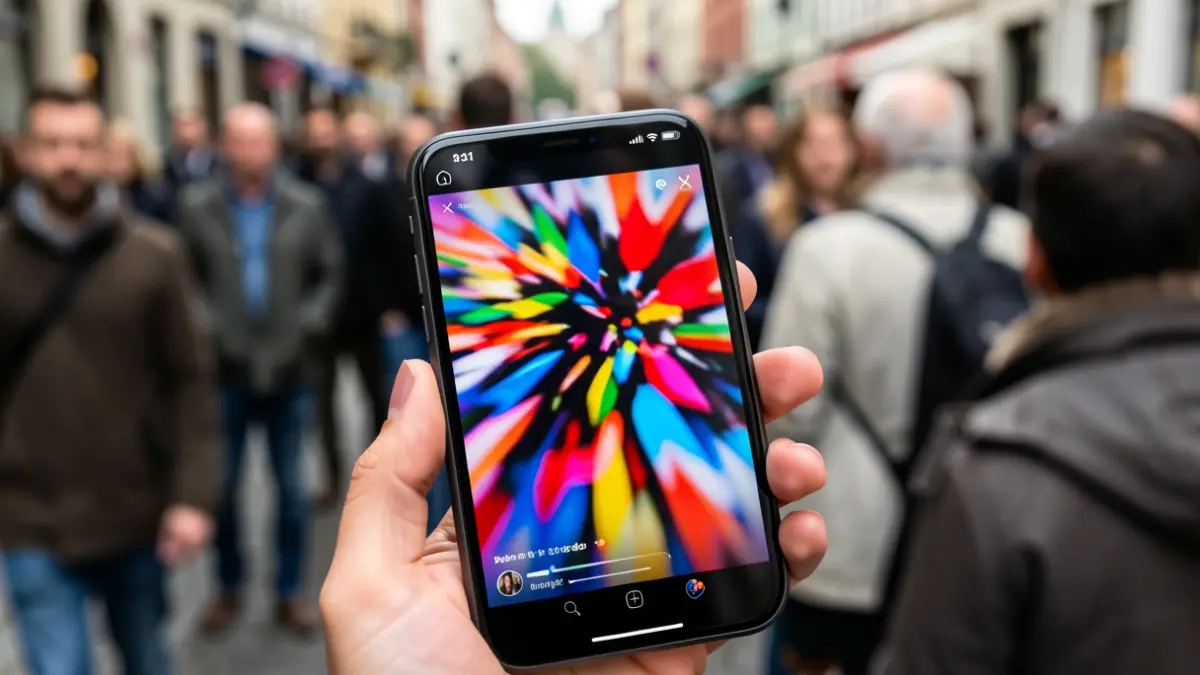
While TikTok content has a direct impact on purchase intention, formal videos enhance it indirectly. The latter succeed in generating trust in the message source and a more positive perception of the product, key factors for consumer decisions. Trust becomes fundamental, as buyers consider food healthier and more sustainable when the promoting source is credible.
Perceiving a product as healthy increased purchase intention, but this relationship did not hold true when it was perceived as sustainable. The findings of this research have been recently published in the journal Food Quality and Preference.
The study, led by Amparo Tárrega and Thuy Ung Pham from the Sensiata laboratory at IATA-CSIC, is framed within the context of the rise of videos as a communication tool on social media. It is estimated that by 2026, gastronomic content creators will generate over 420 billion monthly views on platforms like TikTok, Instagram, YouTube, and Facebook.
The research team analyzed how trust in the source and the perception of health and sustainability benefits influence message acceptance and purchase intention. For this, 85 Spanish consumers participated in the study, viewing two promotional videos for a new bread enriched with plant-based proteins: one formal, with a researcher as spokesperson, and another TikTok-style, with a content creator.
The formal video obtained higher average trust (3.94 out of 5) compared to the TikTok-style one (3.60 out of 5), as well as slightly higher values in perceived health and sustainability. However, the average purchase intention was slightly higher after the TikTok content (3.70 out of 5), although the formal format also indirectly favored purchase through trust and the sequence between trust, health perception, and purchase intention.
“TikTok-style videos influence purchase intention through a peripheral route, based on visual appeal and attention-grabbing ability, while formal videos promote processing via the central route, which favors deeper consideration of benefits,” explains Thuy Ung Pham.
The study also highlights that trust in the communicator is crucial for consumers to perceive health and sustainability benefits. Finally, it was identified that, although consumers value sustainable benefits, these do not influence their purchase intention as much as health-related benefits.
“The results allow us to offer recommendations for food marketing and health communication professionals,” notes Amparo Tárrega. She recommends including expert content in videos promoting health and sustainability to increase credibility, and emphasizing personal benefits in sustainability messages to influence decisions.