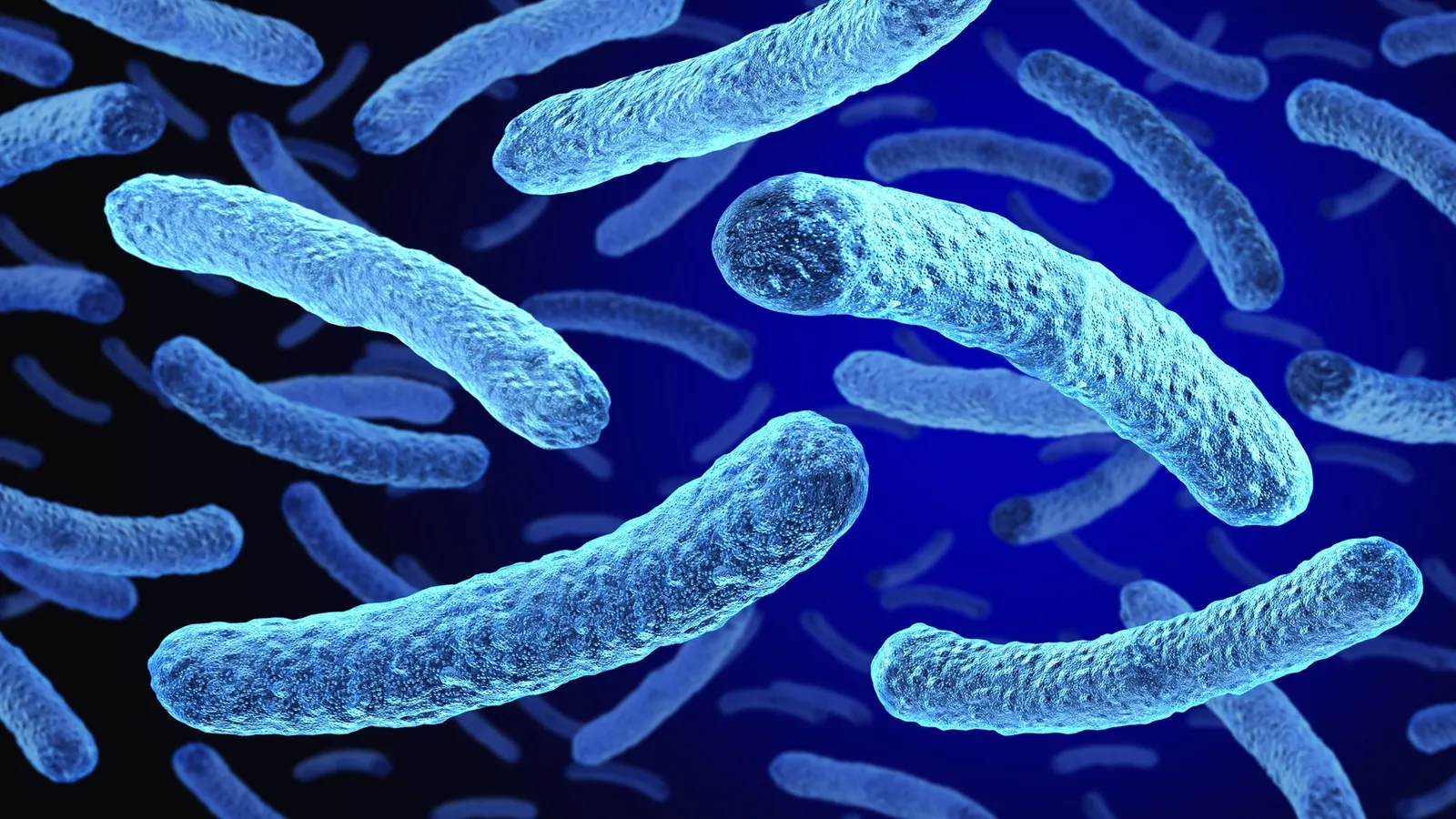
For twenty years, the bacterium Legionella pneumophila persisted in the water system of a residential building despite disinfection measures. The analysis of this case has revealed how water infrastructure can promote the emergence and spread of new bacterial variants with characteristics that enhance their survival and dispersal capabilities. The finding, published in the scientific journal Water Research, provides new evidence on the role water distribution systems may play in the evolution of pathogens relevant to public health.
The research team analyzed an exceptional case of prolonged contamination in the water network of a state-managed residential facility. For two decades, the bacterium managed to remain in the system despite conventional treatments such as hyperchlorination and thermal shocks. They identified a new recombinant variant of Legionella pneumophila, originating from the combination of genetic material from other variants present in the facility. This new lineage came to represent over 80% of the detected bacterial population and was the only one identified in legionellosis cases associated with the building.
To reconstruct its evolution, genomic surveillance, comparative genome analysis, cell infection models, and three-dimensional characterization techniques for biofilms were combined. Evolutionary analyses place the origin of the new variant around the building's commissioning, suggesting that the infrastructure itself favored its emergence. 'Unlike the original variants, the new variant showed marked differences, both in its capacity for dispersal through water—it is more dispersed and less adherent—and in its capacity to infect in the laboratory, reproducing more,' explains Mireia Coscolla, a researcher at I2SysBio and one of the article's authors.
The research demonstrates that water systems can act as environments for bacterial evolution. Biofilms, structures formed by microbial communities that adhere to surfaces, play an important role in the persistence of microorganisms. Fernando González Camacho, a researcher at the ISCIII's National Center for Microbiology, highlights that the work combines two decades of epidemiological surveillance with advanced genomic techniques. 'We have found a strain that is exclusive to this facility which, through a recombination process, has acquired new capabilities that allow it to persist,' he notes.
The findings have implications for the surveillance and control of Legionella pneumophila. The study indicates that prolonged persistence, the environmental conditions of distribution networks, and genetic recombination processes can favor the emergence of variants adapted to specific facilities. Therefore, the research team considers it necessary to strengthen long-term genomic surveillance in building water systems and complement it with analyses of the bacteria's biological characteristics to identify new variants early on.