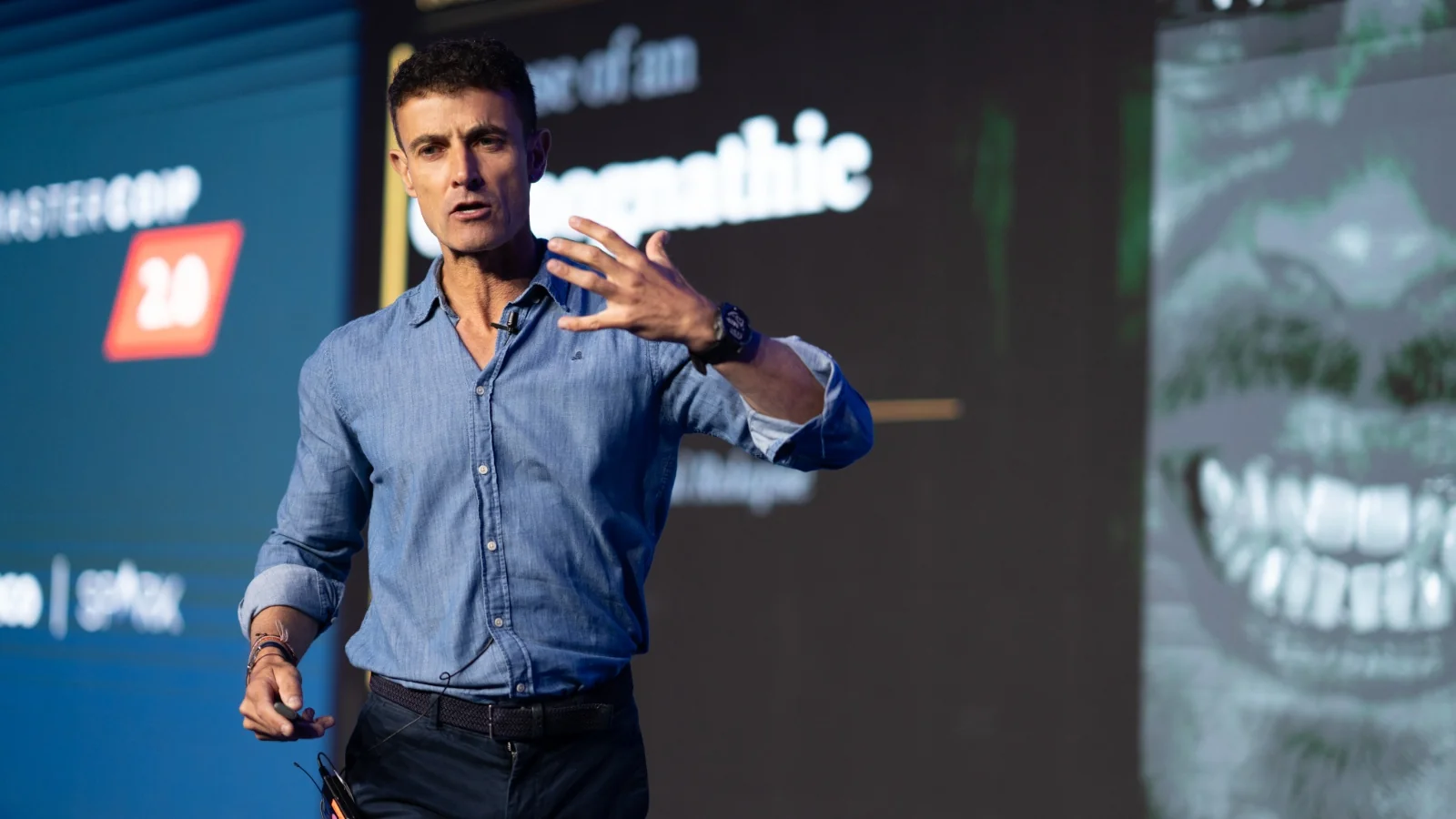
This is explained by Dr. Diego Peydro, a specialist ininvisible orthodontics, who assures that advances in diagnosis, digital planning, and understanding of facial growth are making it possible to find alternatives that were unthinkable just a few years ago. "Extractions still have their place in current orthodontics, but today we have tools that allow us to study many cases from a completely different perspective. Our goal is always to evaluate all possible alternatives before making an irreversible decision," explains Peydro.
When the problem isn't the teeth
According to the Valencian specialist, one of the major changes in orthodontics in recent years is the way the origin of many space problems is understood.
Traditionally, dental crowding was directly associated with a lack of space in the arch. "For many years, we focused on the teeth. Today, we understand that we must also study the face, the jaws, function, and growth. When we analyze the problem globally, new treatment possibilities emerge," says Dr. Diego Peydro.
Training thousands of orthodontists worldwide
Diego Peydro's clinical vision is not only applied to the patients he treats in Valencia. Each year, thousands of dentists and orthodontists from five continents participate in his training programs to learn the protocols he has developed for treating complex malocclusions using invisible orthodontics.
His courses cover everything from advanced diagnosis to resolving cases that were traditionally considered particularly difficult.
Currently, professionals from Europe, America, Asia, Africa, and Oceania apply the systems and protocols developed by the Valencian specialist in their practices.
"Training is a responsibility. If we can enable other professionals to offer better treatments to their patients, the impact is much greater than what we can achieve solely from our own practice," says Diego Peydro, a specialist in invisible orthodontics.
The importance of a second opinion
The specialist acknowledges that it is increasingly common for patients to seek a second opinion before starting treatment. Many of them arrive concerned after receiving diagnoses that include dental extractions or complex procedures.
About Diego Peydro
Diego Peydro is an orthodontist and, along with Dr. Marta Peydro, directs Clínica Peydro in Valencia. With over two decades dedicated exclusively to orthodontics, he is a global reference in invisible orthodontics and the treatment of complex cases. His philosophy is based on individualized diagnosis and the pursuit of conservative treatments that maximally respect each patient's natural anatomy.
When the problem isn't the teeth
According to the Valencian specialist, one of the major changes in orthodontics in recent years is the way the origin of many space problems is understood.
Traditionally, dental crowding was directly associated with a lack of space in the arch. "For many years, we focused on the teeth. Today, we understand that we must also study the face, the jaws, function, and growth. When we analyze the problem globally, new treatment possibilities emerge," says Dr. Diego Peydro.
Training thousands of orthodontists worldwide
Diego Peydro's clinical vision is not only applied to the patients he treats in Valencia. Each year, thousands of dentists and orthodontists from five continents participate in his training programs to learn the protocols he has developed for treating complex malocclusions using invisible orthodontics.
His courses cover everything from advanced diagnosis to resolving cases that were traditionally considered particularly difficult.
Currently, professionals from Europe, America, Asia, Africa, and Oceania apply the systems and protocols developed by the Valencian specialist in their practices.
"Training is a responsibility. If we can enable other professionals to offer better treatments to their patients, the impact is much greater than what we can achieve solely from our own practice," says Diego Peydro, a specialist in invisible orthodontics.
The importance of a second opinion
The specialist acknowledges that it is increasingly common for patients to seek a second opinion before starting treatment. Many of them arrive concerned after receiving diagnoses that include dental extractions or complex procedures.
About Diego Peydro
Diego Peydro is an orthodontist and, along with Dr. Marta Peydro, directs Clínica Peydro in Valencia. With over two decades dedicated exclusively to orthodontics, he is a global reference in invisible orthodontics and the treatment of complex cases. His philosophy is based on individualized diagnosis and the pursuit of conservative treatments that maximally respect each patient's natural anatomy.