
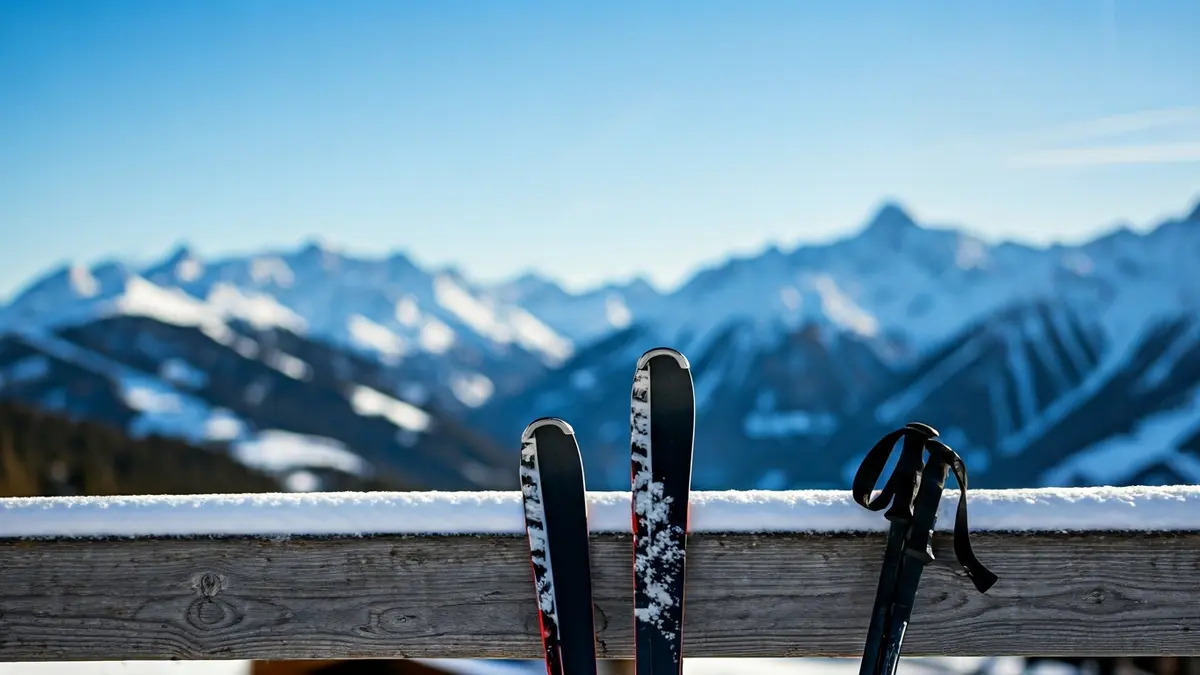
The Supreme Court's ruling, which upholds the closure of the sports facilities by rejecting appeals from the Junta de Castilla y León, concludes a lengthy legal process. This decision stemmed from the central government's non-renewal of concessions for several ski lifts located within the Sierra de Guadarrama National Park.
The verdict has been met with dismay by local businesses, including ski schools, equipment rental shops, cafes, and small stores, who see their primary source of income at risk. Juanma García, co-founder of the NESC ski school, stated that despite the long-standing threat, many professionals continued to invest in their businesses, hoping for a potential reversal of the situation. García expressed regret over a recent 60,000 euro investment.
“"Many instructors will have to give up their profession."
The closure's impact extends to employment, particularly in ski instruction. The NESC school, for instance, employs between 30 and 40 instructors on weekends and during peak seasons. The cessation of activities will force many of these workers to seek new opportunities, though not all will be able to remain in the same sector. Educational programs that introduced thousands of students to skiing, in collaboration with the Madrid Winter Sports Federation, will also be affected.
Equipment rental businesses also face a challenging outlook. Román Verdesoto, manager of a decades-old establishment, noted that 70 to 80 percent of his revenue comes from ski rentals. He indicated that without the resort, their turnover would drop by more than two-thirds, forcing them to reorient their business towards a more casual leisure audience, adjusting staff and reducing costs.
“"It has been the cradle of skiers in Madrid and Spain."
Beyond economic considerations, the closure reignites the debate on natural conservation versus skiing. Professionals like García defend the historical sustainability of activities in Navacerrada, arguing that negative environmental impact stems more from other visitors than from skiers. There is also regret over the loss of a historic symbol of skiing in Spain, considered the “cradle of white sport.”
Eduardo Calvo, president of the Madrid Winter Sports Federation, warned that the resort's disappearance would be a severe blow to skiing in the region, as it has been the first contact with snow for many Madrileños, including 4,000 of the 16,500 children participating in federated sports activities. National skiing figures like the Fernández Ochoa family once trained on its slopes.
Álvaro Fernández, owner of the Dos Castillas cafeteria, with over 50 years of history, anticipates a devastating impact in the medium term, as the resort is the main attraction sustaining visitor flow. He questioned whether other uses of the natural environment could compensate for the economic activity generated by skiing, as summer visitors do not create the same economic impact.