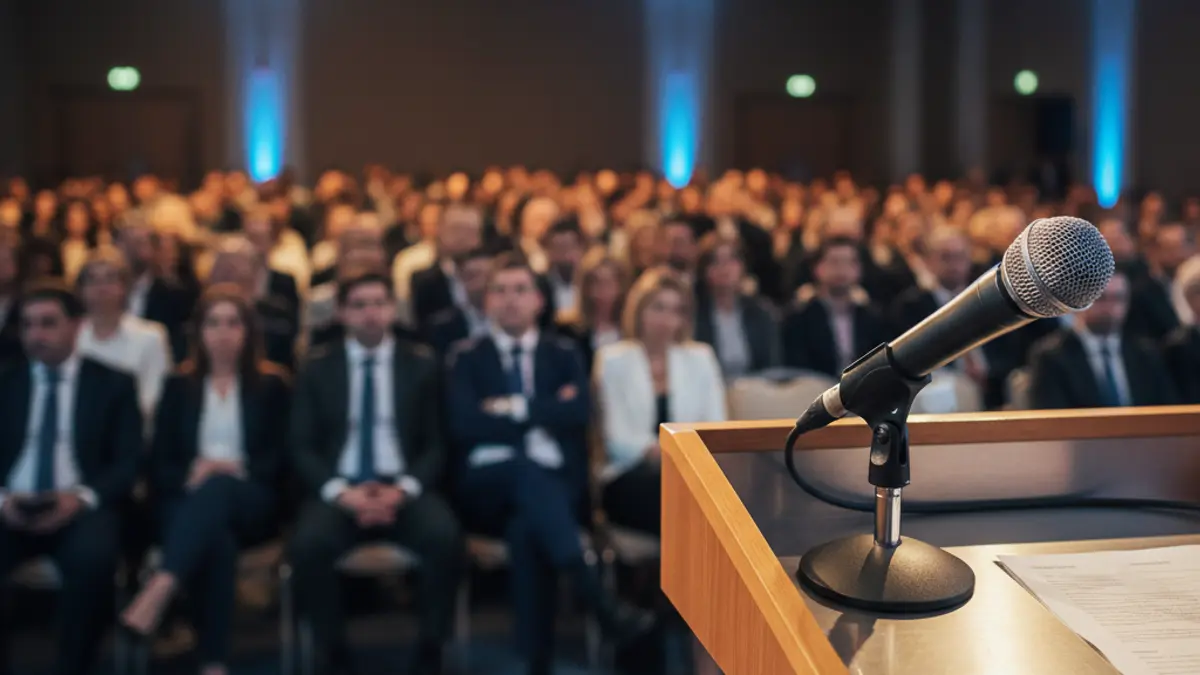
During the closing of the II Tourism Conference organized by Madriddiario, the president of the Business Confederation of Madrid highlighted the strategic relevance of tourism for the economies of Madrid and Spain. He argued that the advent of Artificial Intelligence will not lead to job losses, but rather strengthen a sector considered "key" due to its capacity to generate employment, boost other economic sectors, and project the image of Madrid and Spain internationally.
“"The sector must continue to rely on personal presence. Not only will the number of jobs not decrease, but it is one of the most important and key sectors for employment, being a very transversal sector that boosts other sectors."
The president of CEIM also praised the "extraordinary" moment Madrid is experiencing internationally. He attributed the capital's tourism success to a sustained strategy based on public-private collaboration, infrastructure investments, and a commitment to offering quality experiences to visitors. He stated that Madrid is now a global benchmark for its ability not only to receive visitors but also to generate economic activity, reputation, and opportunities.
Furthermore, he defended the role of architecture and urban transformation as essential elements to enhance the attractiveness of cities. He believes that Madrid is undergoing a "renaissance" thanks to the boldness of implementing changes and developing emblematic spaces, despite the initial resistance that often arises with such transformations. He stressed the need to abandon outdated models to build new future opportunities, recalling that many initially controversial spaces are now highly attractive places.
Regarding the sector's challenges, the president of CEIM emphasized the importance of prioritizing growth in added value over visitor volume, in order to avoid the negative effects of mass tourism. This vision aligns with the proposal of the delegate councilor for Tourism of the Madrid City Council, who praised the municipal strategy of attracting long-stay tourists who generate greater wealth for the city.
Tourism growth, according to the president of CEIM, must go hand in hand with sustainability, addressed from a triple perspective: economic, social, and environmental. He highlighted the need for solid companies that generate employment, livable cities for their residents, and environmental sustainability as a differentiating factor in a society increasingly aware of the natural environment.
Finally, he urged continued work with "strategic vision, intelligence, and responsibility" to consolidate Madrid's privileged position on the international stage, relying on talent, innovation, and collaboration between administrations and businesses. He mentioned examples such as the arrival of Formula 1 and the aspiration to host major international events, ensuring that Madrid must continue to facilitate these initiatives, always reconciling them with the quality of life of its citizens.