During the session, involved teams shared the results achieved to date. The primary goal was to adjust the technical and operational strategy of the project, which focuses on sustainable water management in Madrid's urban and industrial environments.
This collaboration, coordinated by Repsol, includes key sector partners such as Canal de Isabel II, Metfilter, AQUACORP, Water Challenge, and APIQuality. Together, they are working to reduce the water footprint and optimize water resource availability.
The meeting featured participation from three core research areas: Environmental Bioelectrochemistry (Bioe Group), Membrane Technology (MEMTECH), and Water, Environment and Economics (WAVE). This multidisciplinary approach allows for an integrated focus on the evolution of bioelectrochemical processes, the application of advanced filtration technologies, and the analysis of system socioeconomic viability.
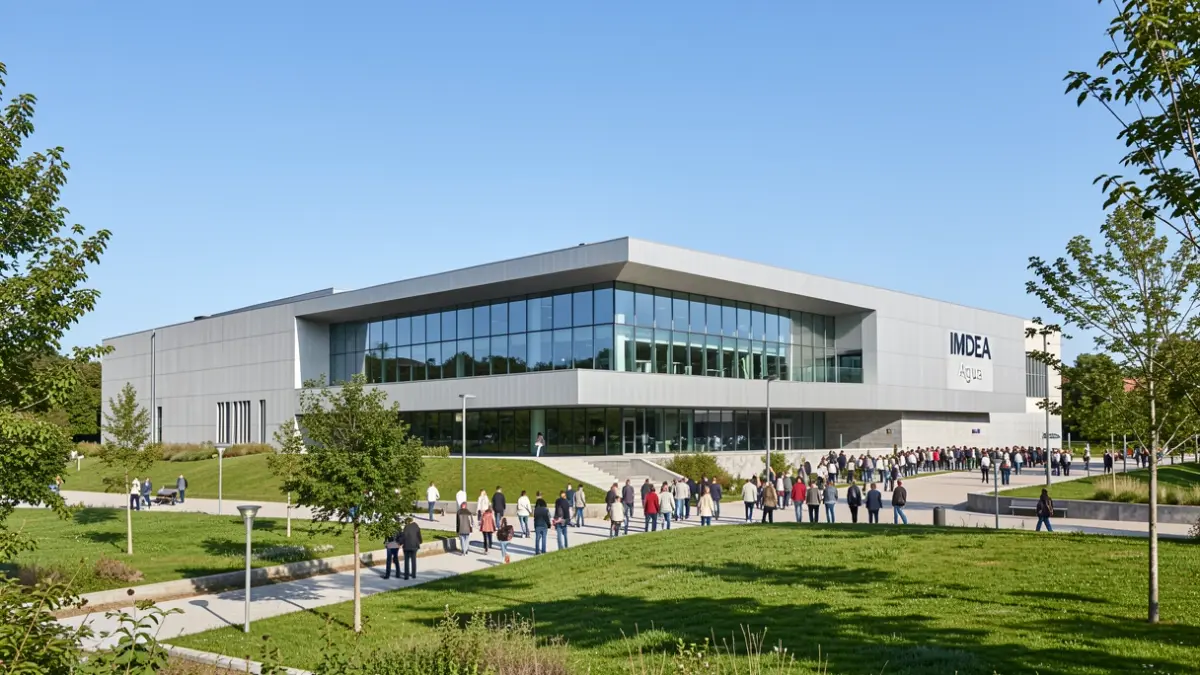
As part of the agenda, the delegation was welcomed by the center's director, Irene de Bustamante. A subsequent visit to the laboratories and pilot plants allowed participants to examine the center's analytical infrastructure and ongoing experimental trials.
The MADisWATER project, funded by the Comunidad de Madrid and co-financed by the European Union through the European Regional Development Fund (FEDER), is titled "Madrid is water: Vital technologies for water sustainability in Madrid."