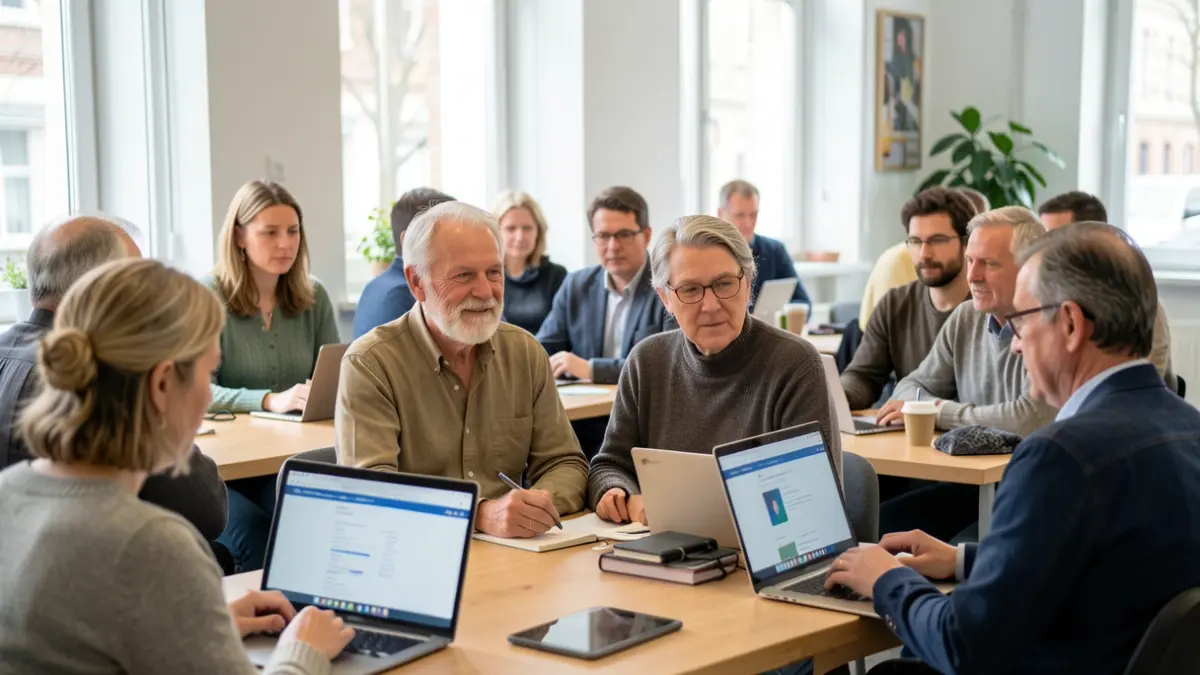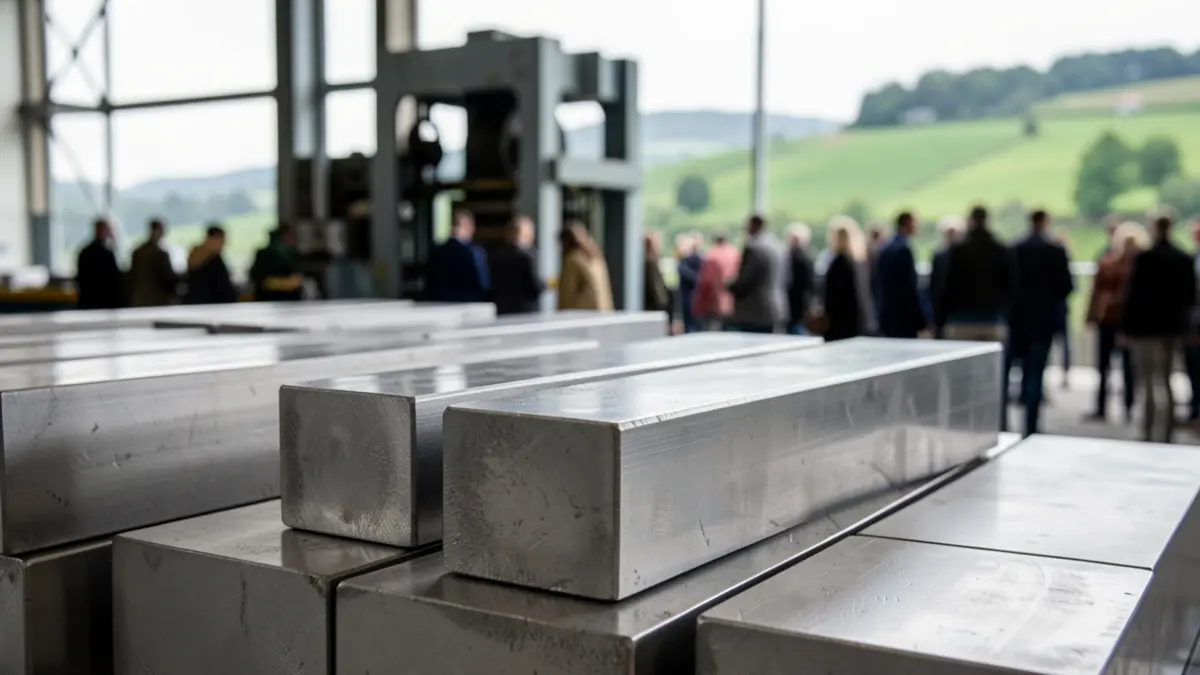
The European project NANO‑S‑MART, coordinated by the Ceit technology center, examines the sustainable and competitive future of the steel industry. Launched in 2025, the initiative aims to produce high-quality steels using more scrap while simultaneously reducing carbon emissions. Various European research centers, universities, and companies have joined forces to tackle this challenge.
Europe's steel sector is navigating stringent market conditions and commitments to combat climate change. The industry faces the historical challenge of significantly reducing greenhouse gas emissions while ensuring the production and competitiveness of high-property steels. The Basque Country, in particular, holds strategic importance in this sector.
Currently, steel production accounts for 5.7% of the EU's CO₂ emissions (according to World Steel), making it one of the most energy-intensive manufacturing activities. Traditionally, steelmaking has been closely linked to coal, especially in blast furnace processes, which generate substantial CO₂ emissions.
European producers have committed to the EU's goal of achieving climate neutrality by 2050. This necessitates a profound transformation in steel production methods, moving away from conventional blast furnace processes towards those with lower CO₂ emissions, such as those combining green hydrogen and electric arc furnaces. Electric arc furnaces, using scrap, offer a cleaner alternative to traditional methods, significantly reducing emissions (2.2 t CO₂/t steel vs. up to 220 kg CO₂/t steel less with a 10% increase in scrap usage).
However, increased scrap utilization leads to a higher concentration of residual elements (copper, chromium, nickel) in the steel, potentially affecting its processability and mechanical properties. The NANO‑S‑MART project investigates the impact of these residual elements on martensitic steels—known for their high mechanical strength and hardness—aiming to maintain their crucial properties.
The core question of the project is: Can martensitic steels be produced using more scrap, thereby reducing CO₂ emissions while preserving their mechanical properties? NANO‑S‑MART analyzes the behavior of these steels at general, microscopic, and nanometric scales to understand how composition and processing influence final characteristics.
The project involves Ceit (coordinator), the Karlsruhe Institute of Technology (KIT) and the Max Planck Institute for Sustainable Materials (Germany), Ghent University (Belgium), and OCAS‑ArcelorMittal. This collaboration bridges laboratory research with industrial application.
NANO‑S‑MART enhances the value of the recycling chain and opens avenues for developing steels with a smaller carbon footprint. It aims to demonstrate that sustainability and industrial competitiveness are not mutually exclusive but can reinforce each other.
Project progress and the latest news are available on the Nano-S-Mart website.
Authors: Elixabet Ripoll Baños, Unai Mayo Ijurra, and Pello Uranga Zuaznabar (Researchers from Ceit and TECNUN at the University of Navarra).