Manu Colino, an R&D engineering technician at Ulma Construction, received the Galbaian award for best inventor seven years ago, recognizing the significant investment the Oñati cooperative makes in inventive activity. He states, “a patent projects an image of a company committed to innovation,” while also granting exclusivity for a technical solution that strengthens competitiveness.
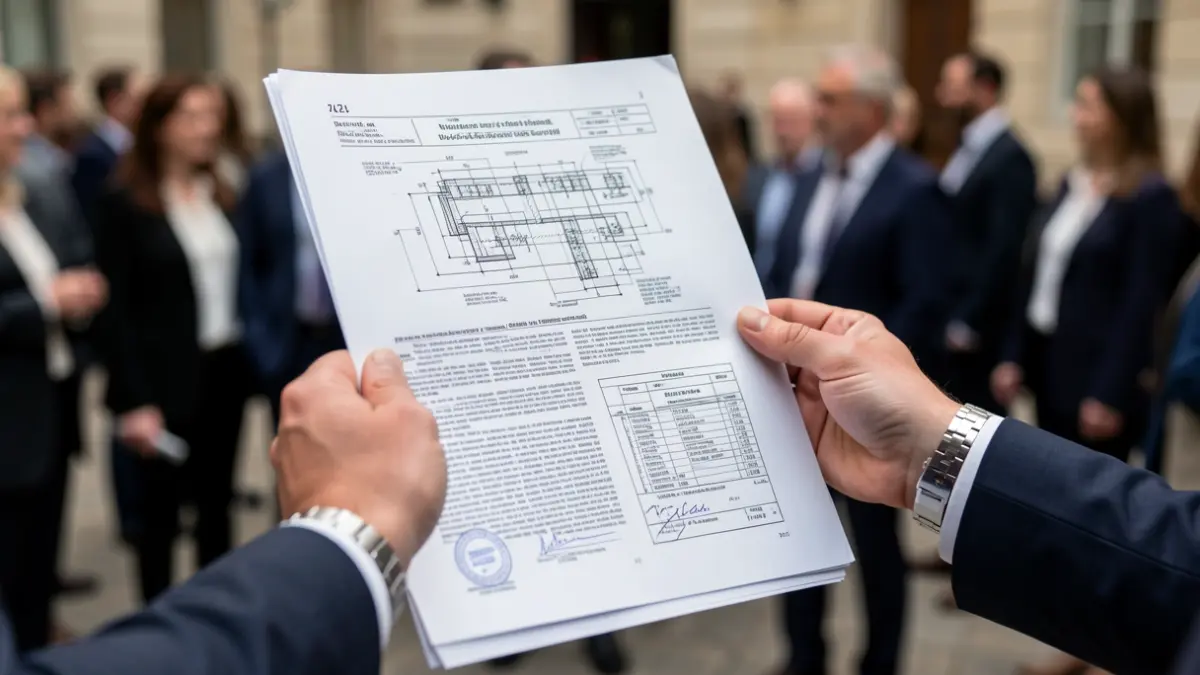
Colino explains that patenting an entire product is challenging unless it's "absolutely groundbreaking." It's more common to seek protection for one or several technical solutions integrated into the product. Typically, a team develops a project, completes stages, and then verifies if their idea surpasses existing market solutions.
“The hardest part is achieving an innovative solution that substantially improves what already exists,” warns Colino, adding that it must also be “something the customer appreciates.” He notes that a single product might require multiple patents; for instance, one Ulma Construction product has up to eight such protections. The award-winning proposal from 2019 is a formwork system that reduces costs and requires less personnel for installation.
“There must be a significant leap; the most difficult thing is proposing something that a specialist in the field cannot deduce,” he insists. The application process carries risks, as the applicant must disclose how the technical solution was devised, making it accessible to competitors who may then try to surpass it.
Regardless, he believes the benefits outweigh the drawbacks, as a patent provides “a strong impetus for improvement” within a business organization and holds “very great power.”
Besides the positive company image, he cites the commercial exclusivity granted in the country where protection is sought. However, he recommends careful market study, as patent costs are high and may not be justified in markets with low demand for a specific product.
Regarding the impact of artificial intelligence on corporate inventive activity, the R&D technician from the Oñati cooperative recalls that AI is currently prohibited from being an inventor. He expresses doubt about AI's ability to "invent anything" soon, as its current function is limited to processing information and data to provide answers.
He emphasizes the importance of working with consultancies like Galbaian, which act “as another department within the company” to prepare demanding reports with carefully measured language adapted to patent grant conditions, a skill not always common among technical staff.