
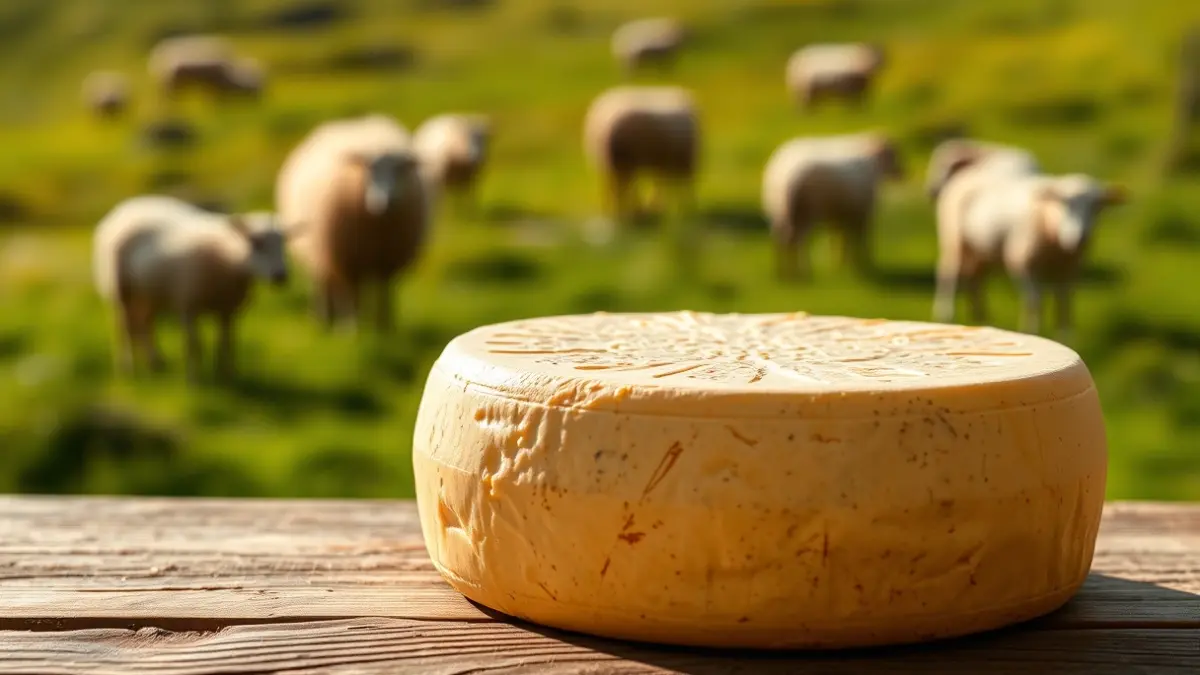
The production of Idiazabal cheese, a hallmark of Basque gastronomy, has experienced a notable decline in the current campaign. The Designation of Origin has indicated that several unfavorable factors, such as adverse weather and livestock diseases, have directly impacted the operations of cheese dairies.
The Designation of Origin's season typically spans approximately one year, from October to October, although some producers begin in late November and conclude in the first half of September of the following year. Throughout this extended process, various circumstances can influence the final outcome.
“"Production so far is lower than in previous years. We are producing 10% less than in last year's campaign."
In the 2024-2025 season, over 1,400 tons of Idiazabal cheese were produced, representing a 10% increase from the previous campaign. At that time, the weather was favorable, allowing sheep to graze adequately. Additionally, cheese dairies and livestock farmers selling milk to industries obtained encouraging sales prices.
However, conditions in the current season have been different. Towards the end of last year, livestock diseases caused significant damage, particularly bluetongue disease and the impact of other parasites. The emergence of these infections has a major impact on the Idiazabal cheese production campaign, leading to the death of many animals and a consequent reduction in sheep numbers.
The climate has also been unpropitious. The first months of the campaign were characterized by significant cold and rain, which limited the sheep's grazing. The more sheep graze, the more liters of milk they produce. A mild and humid climate is most suitable for production. At the midpoint of the campaign, when milk production is highest, the coming weeks will be crucial.
Furthermore, another contributing factor has been the reduction in the purchase price per liter of milk by some industries, creating uncertainty among producers. This situation has led to a cautious approach that has affected production.