The findings suggest that enzymes involved in glucose breakdown do not interact randomly but temporarily cluster within living cells. This discovery challenges the traditional view of metabolic pathways and supports the molecular channeling model.
The study, published in Nature Communications, used glycolysis as a model. Employing techniques such as Raster Image Correlation Spectroscopy (RICS) and a new methodology called coinRICS, researchers observed that pairs of glycolytic enzymes in living yeast cells coincided more often than expected by chance.
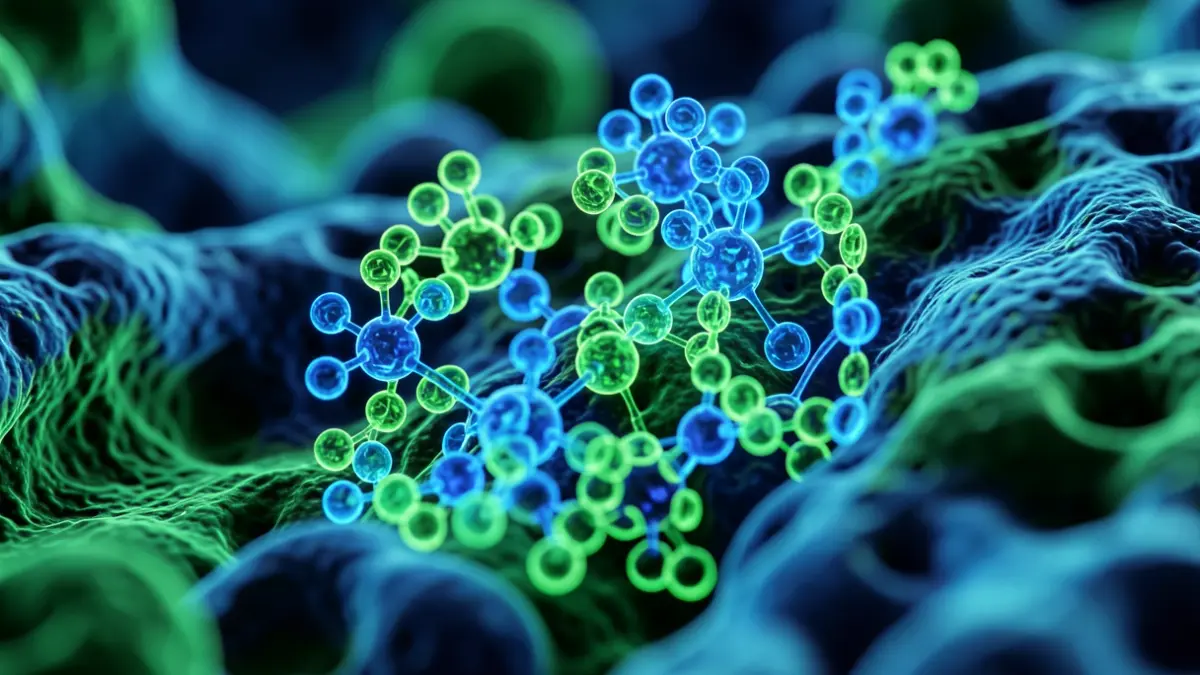
These ephemeral assemblies, termed 'protein flocks', last less than 10 milliseconds and form in the cytoplasm. The research, led by Carme Gallego, Martí Aldea, Blanca Poquet, Galal Yahya, Laia Ferrer, and Enrique Marcos, also utilized computational modeling to corroborate the results.
The chemical properties of protein surfaces appear to play a key role in these interactions. Proteins with similar surfaces tend to form weak, short-lived interactions, a phenomenon amplified by protein abundance and surface similarity, as demonstrated with the designed protein DHR10.
These discoveries propose a new, dynamic perspective on cellular metabolism organization, where transient, weak interactions might complement stable protein complexes. Similar behavior observed in both yeast and human cells suggests 'protein flocks' could be a more widespread cellular organization mechanism.