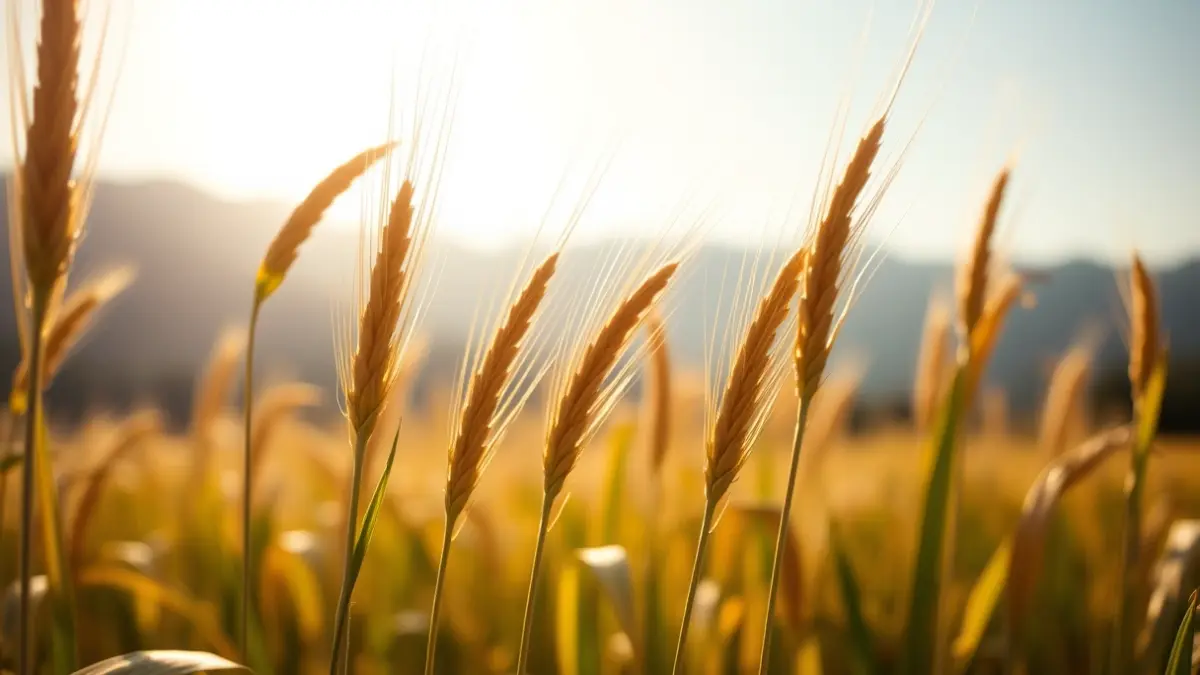
The initiative, led by the PallarsActiu entity, not only seeks to reintroduce varieties that had ceased to be cultivated but also to provide a profitable option for farmers in the region. The study evaluated four varieties – small spelt, barley, lentils, and fava beans – in plots located in Salàs de Pallars, Sant Esteve de la Sarga, and Talarn.
“"It has demonstrated a great capacity for adaptation to situations of water stress and high temperatures."
According to the technical lead of the study, small spelt has stood out for its results, showing remarkable adaptation to adverse conditions. These ancestral varieties, unlike industrial cereals, require fewer fertilizers and are better suited to the orography and mountain climate, offering a superior quality final product, such as flours with less gluten.
For farmers, this model implies a lower quantity of production but with a significantly higher market price. A local farmer, who has provided land for experimentation in Salàs de Pallars, already cultivates 15 of his 60 hectares with organic ancient grains.
“"Ancient grains produce fewer kilos per hectare, but their price is much higher."
The PallarsActiu project goes beyond cultivation, aiming to close a circle of production, transformation, and consumption within the region. The goal is to create a network connecting producers, mills, and bakeries, retaining added value in the territory and generating opportunities for new generations of farmers.
The study has identified two commercialization lines: quality flours for human consumption and organic feed for extensive livestock farming. The production of feed with grains from the Conca de Tremp could supply livestock farmers in Pallars Sobirà, Pallars Jussà, and neighboring regions, reducing costs and external dependence.
Despite the positive results, the project faces the challenge of industrialization, as the region lacks facilities to process grain into flour on a large scale. Cooperativism is proposed as a way to invest in infrastructure, such as a dedicated flour mill, to ensure that the entire process remains within the territory, generating wealth and retaining population.