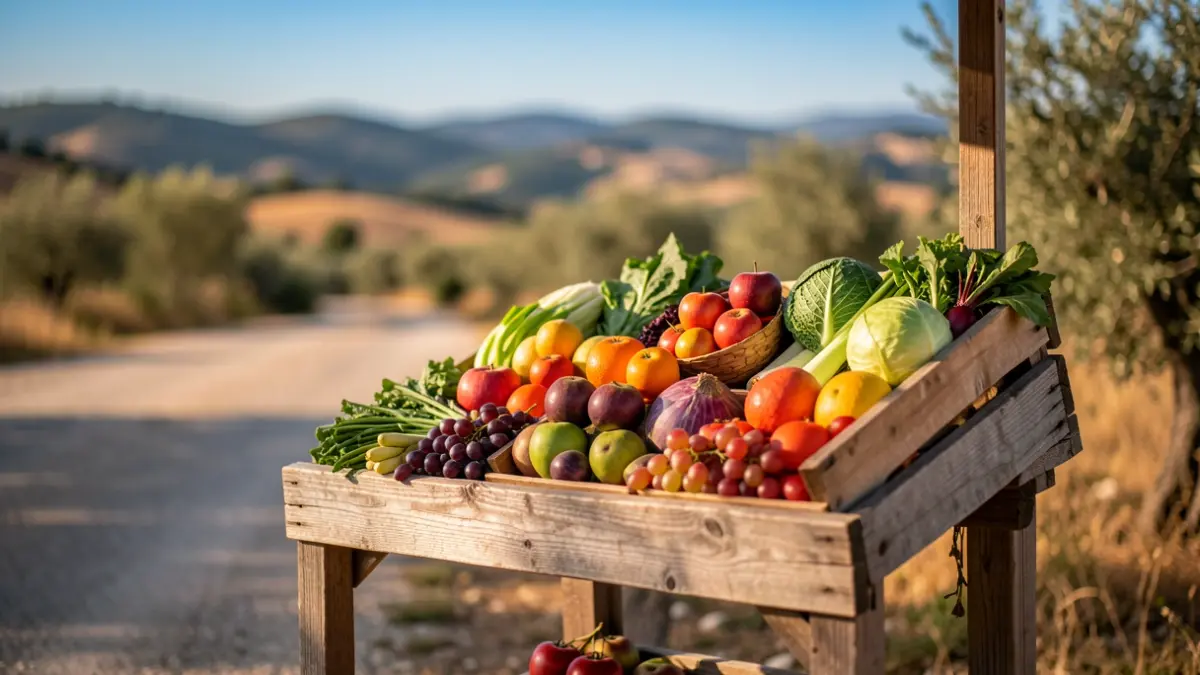
The 10,000 euro fine imposed on a farmer from Ventalló (Girona) for placing advertising signs on the roadside has brought into focus the current regulations for selling and advertising agricultural products along roads. The Roads Law 37/2015 prohibits advertising visible from the carriageway outside urban areas, as well as any advertisement that could distract drivers. In Catalonia, the prohibition extends to a 100-meter strip from the edge of the carriageway, although business identification signs are permitted if integrated within the property.
In the province of Lleida, agricultural organizations such as Unió de Pagesos and JARC report no similar controversies or complaints. Sergi Balué, head of sweet fruit at JARC, stated that it has not been a newsworthy issue in the area. However, representatives from these organizations advocate for following the example of the European Union, where proximity sales by the roadside are common.
Farmers like Josep Cabré and Jaume Gardeñes argue for adapting legislation to allow direct sales, similar to practices found in countries like Switzerland, where buying local products directly from farmers is customary. Lleida has an estimated 10 to 20 roadside sales points, according to Unió de Pagesos, although this number could be higher if fruit preservation conditions were better.
The Minister of Agriculture, Òscar Ordeig, has met with the fined farmer to explore ways to promote direct sales. The department is studying methods to facilitate signage, access, and sales points for agricultural holdings. Meanwhile, sales points like Km0 in Alfarràs, run by Miquel Aige, have had to remove their advertising signs to avoid penalties, despite having business licenses and adhering to safety regulations.
Mayors such as Joan Carles Garcia of Alfarràs and Josep Tàpies of Ponts confirm that farmers selling in their municipalities have the necessary permits and comply with safety distances. In Organyà, local products are also sold roadside without issues, despite the absence of signs.