The business organization Cercle Euram has called for the current infrastructure investment period in Alt Empordà to serve as a catalyst for genuine reindustrialization of the territory. In a strategic session, members analyzed the major projects that will shape the economic and urban future of Figueres and its surroundings.
During the meeting, the presentation by economist and former mayor Joan Armangué on the "New Figueres Station and the City's Transformation" was highlighted. Cercle Euram celebrates that projects historically stalled are now moving towards agreements and contract awards, marking a new investment scenario.
The entity's president, Manel Toro, emphasized the radical change in the situation, with "awarded projects and budgets for infrastructure," opening a decisive phase for the urban area of Figueres.
Among the significant developments, the new N-II Ring Road was mentioned, with a central section of over 8 kilometers already approved and awarded for more than 100 million euros, set to begin construction in October. Cercle Euram considers this project the most important roadwork in the city in the last 50 years.
Another fundamental project is the unified station and the railway variant. The renovation of the Figueres-Vilafant station by ADIF will integrate high-speed and conventional rail, eliminating the track crossing the city center and the passage of dangerous goods through the urban area.
The new Urban Planning Master Plan, coordinated by the Generalitat and ADIF, will allow for the removal of current tracks, freeing up approximately 90,000 square meters in central Figueres for the transformation of Ponent and Llevant, the future Avinyonet street, and new university facilities.
From a business perspective, Cercle Euram argues that roads and railways are "tools, not ends." Therefore, they demand that infrastructure development be accompanied by a specific economic strategy for Alt Empordà.
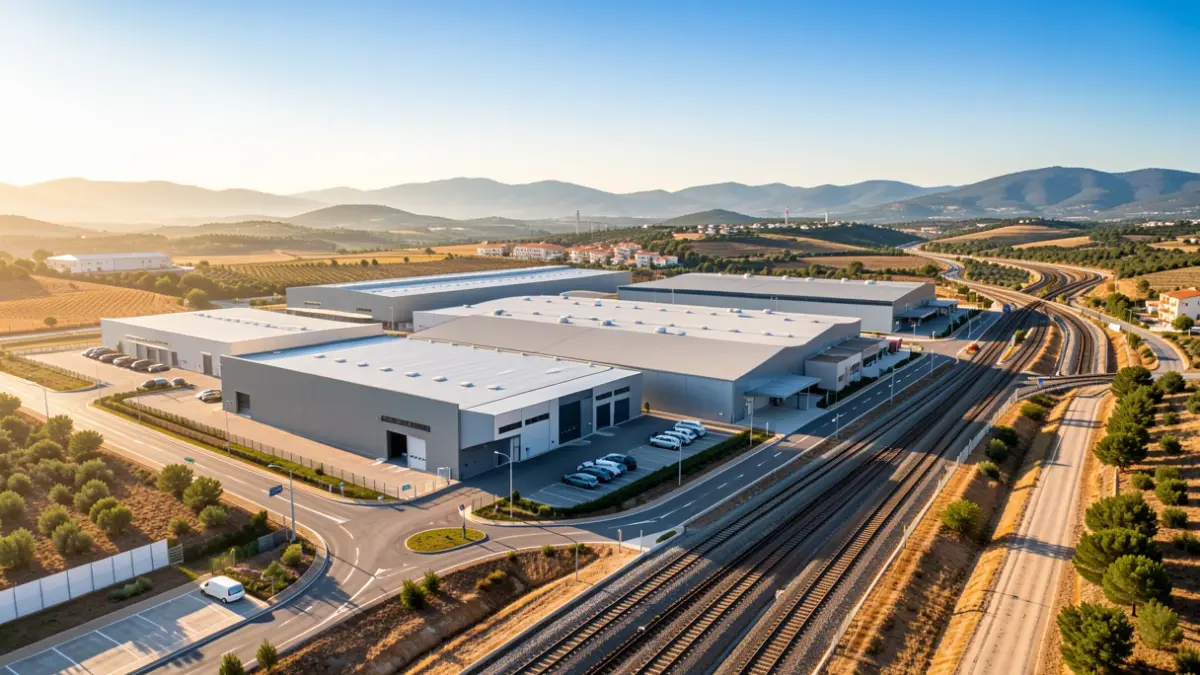
The entity calls for the completion of the Mediterranean Corridor by 2027 and advocates for the role of the intermodal terminal in Vilamalla, arguing that its strategy should not depend solely on external interests, such as those of the Port of Barcelona. They propose advanced logistics and an industrial fabric that adds value, stating that "the future of Alt Empordà must be industry" and that the Figueres area should be the major economic driver.