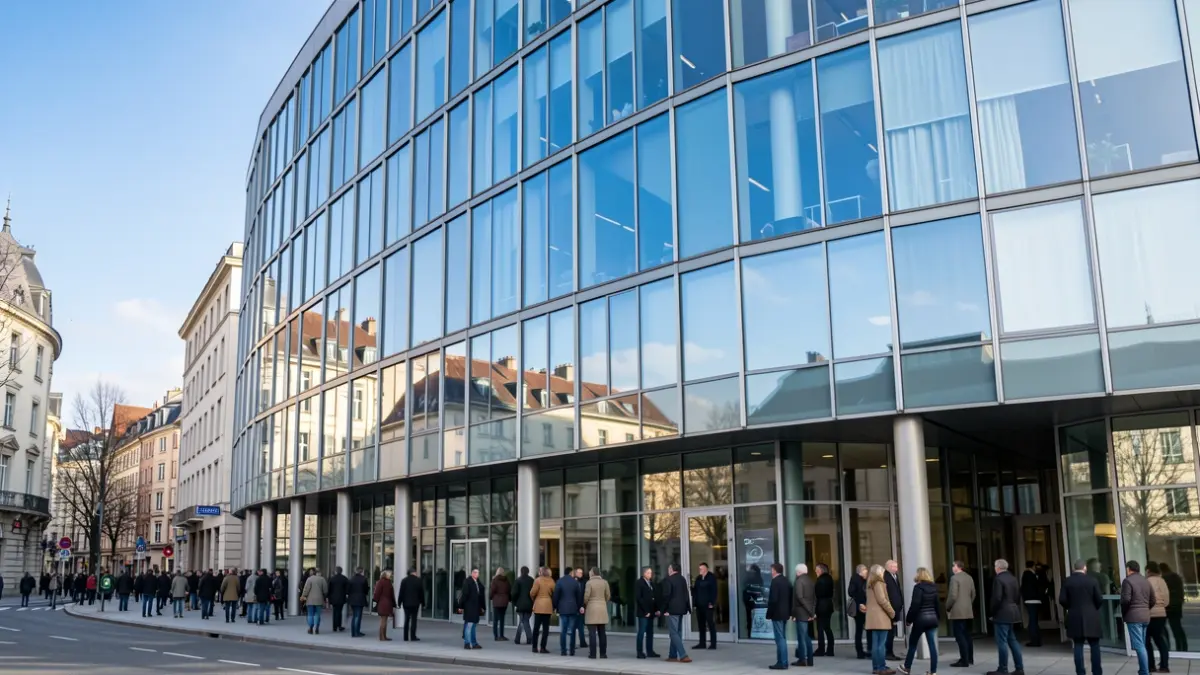
The event, organized by Mobile World Capital Barcelona in collaboration with the Government of Spain, gathered prominent figures in global technological thought at the Llotja de Mar. This congress highlights Barcelona's position as a key discussion center for the social and political impact of technology, beyond its role as the capital of the Mobile World Congress.
During its first day, the meeting was notable for the predominantly female participation of academics, jurists, technologists, and analysts. Among the speakers were influential figures such as a former CIA analyst and advisor to Joe Biden, a law professor specializing in regulation, a philosopher, and an engineer known for exposing abuses at a major social platform.
The debates covered crucial topics such as technological geopolitics, data governance, the labor and sociopolitical implications of artificial intelligence, and the "enshittification" of the internet. A central theme was the need to protect minors in the digital environment, with public administrations adopting measures to limit their access to social networks.
“"Enough of applications that keep us hooked by maximizing their profit and minimizing our well-being."
The event also served to present a study revealing growing social concern about the impact of social media on young people. 95% of citizens believe minors are unprotected online, and 71% advocate for mandatory identification to participate in the network. The Government of Spain has announced measures to limit access for minors under 15 and to compel platforms to verify user age.
Many discussions emphasized the role the European Union can play in the global technological landscape. It was suggested that greater economic unity among the 27 member states could foster the emergence of large companies capable of competing with the dominance of the United States and China. The creation of ethical European social networks as an alternative to the current digital ecosystem was also proposed.