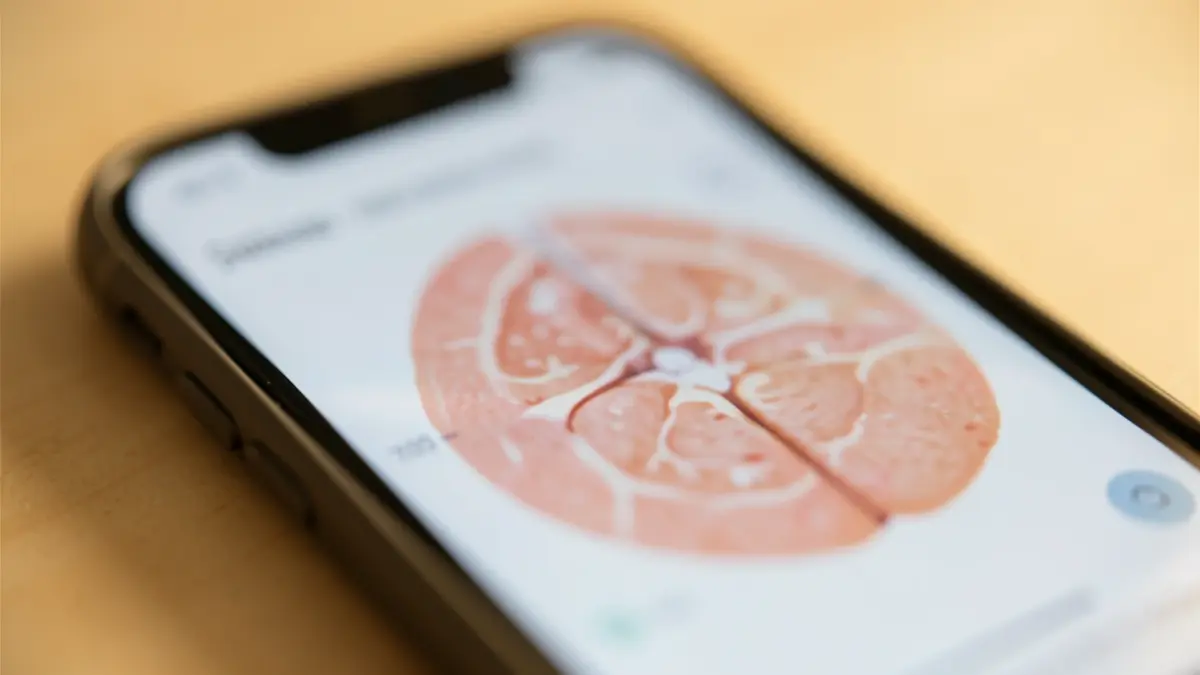
This advancement, led by the UJA, aims to identify early on skin complications affecting a high percentage of ostomy patients, who experience between 18% and 80% of these lesions. The project demonstrates that an image captured with a mobile device could facilitate early detection and clinical follow-up, avoiding unnecessary travel and speeding up treatment.
The EPPIA project arises in response to one of the most frequent problems for ostomy patients, where skin complications can cause pain, hinder self-care, reduce quality of life, and increase healthcare costs. In Spain, an estimated 70,000 people live with an ostomy, with around 16,000 new interventions annually.
Preliminary results indicate that 52.2% of the patients studied showed some alteration in their periestomal skin, confirming the high incidence of these complications. The research has also identified clinical factors and ostomy device management aspects that influence the occurrence of these lesions, such as the type of device, its replacement frequency, or the use of skin protective products.
The research team has collected 1,980 photographs of periestomal skin from 312 patients, obtained by 24 stoma nurses from 17 hospitals. The best artificial intelligence model developed achieved nearly 89% accuracy in detecting lesions, similar to in-person examinations by expert professionals, supporting teleconsultation for patient follow-up.
Lead researchers Isabel María López Medina and M Dolores Pérez Godoy highlight that these findings are a significant step towards digital tools that facilitate remote monitoring and streamline the work of specialist nurses, particularly in areas with limited access to specialized consultations. They emphasize that the goal is not to replace professional assessment but to complement it to improve care.
The EPPIA project is a multidisciplinary effort integrating researchers from the universities of Jaén, Granada, and Málaga, professionals from the Andalusian Health Service, the Conselleria de Sanitat of the Generalitat Valenciana, stoma nurses, dermatology specialists, and patient associations.
Next steps will include refining the AI models, expanding their capacity to identify different types of lesions, and developing a prototype for clinical application. Interest from companies in the health technology and ostomy product sectors has already emerged, reinforcing the research's transfer potential.