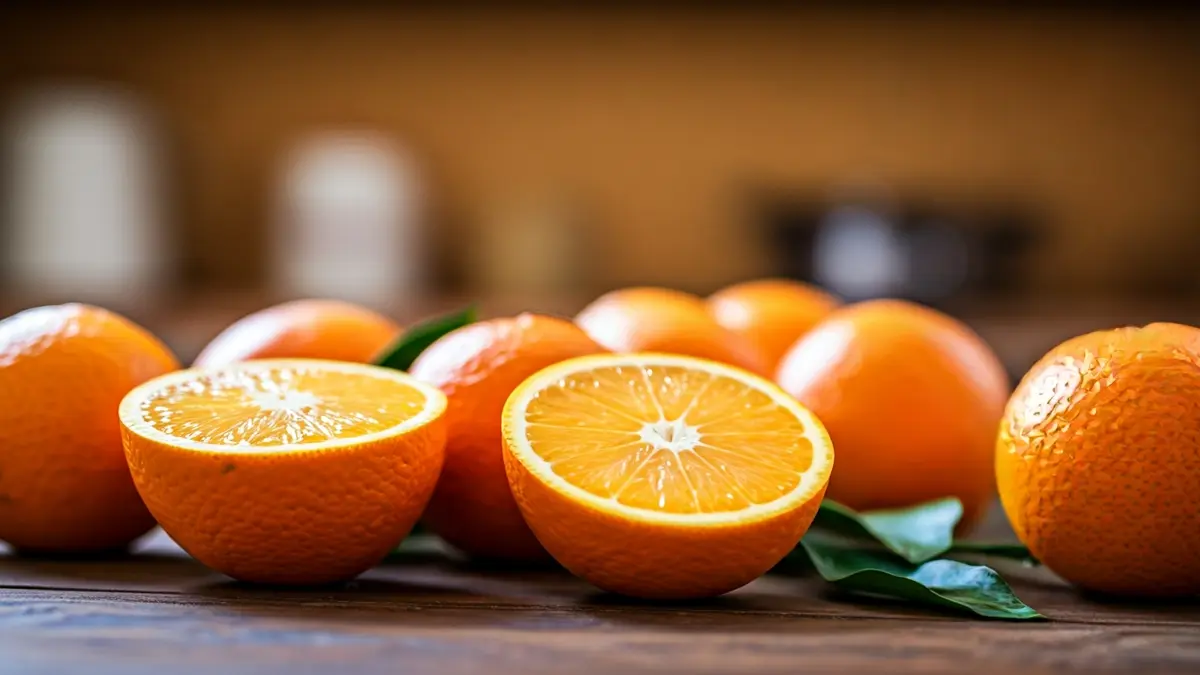
Under the new agreement, the fruity spread will need to be sold as 'citrus marmalade'. This adjustment comes as the British government seeks to align more closely with European Union rules, aiming to boost trade and reduce red tape.
The change is driven by Brussels' plans to broaden the legal definition of marmalade across the bloc. Previously, only preserves made from citrus fruits could be labeled as 'marmalade', with other fruit spreads being called 'jam'. This distinction was a result of British lobbying in the 1970s to grant marmalade made from Seville oranges a special commercial status.
However, this distinction has long caused widespread confusion across Europe, including in Spain, where the term 'mermelada' is used for spreads made from various fruits, such as figs and plums. From June, Brussels will permit member states to market non-citrus spreads as 'marmalade', with this updated decree being one of 76 EU food-related laws the UK will absorb once the food deal is officially agreed upon.
To conform with international norms, citrus-based preserves, such as those made with Seville oranges, will need to be sold under the separate legal name of 'citrus marmalade'. A timeline for the implementation of this rule change has yet to be confirmed.
“"British marmalade is not changing – it will still be the same product available in our shops as it is now. British manufacturers align with international standards to ensure our world-class produce can be sold to a larger international market. Our deal with the EU supports businesses by removing the costly red tape that holds back our exporters from our largest trading partner. Crucially, our agreement secures the UK’s ability to shape the rules that affect our industry in the national interest."