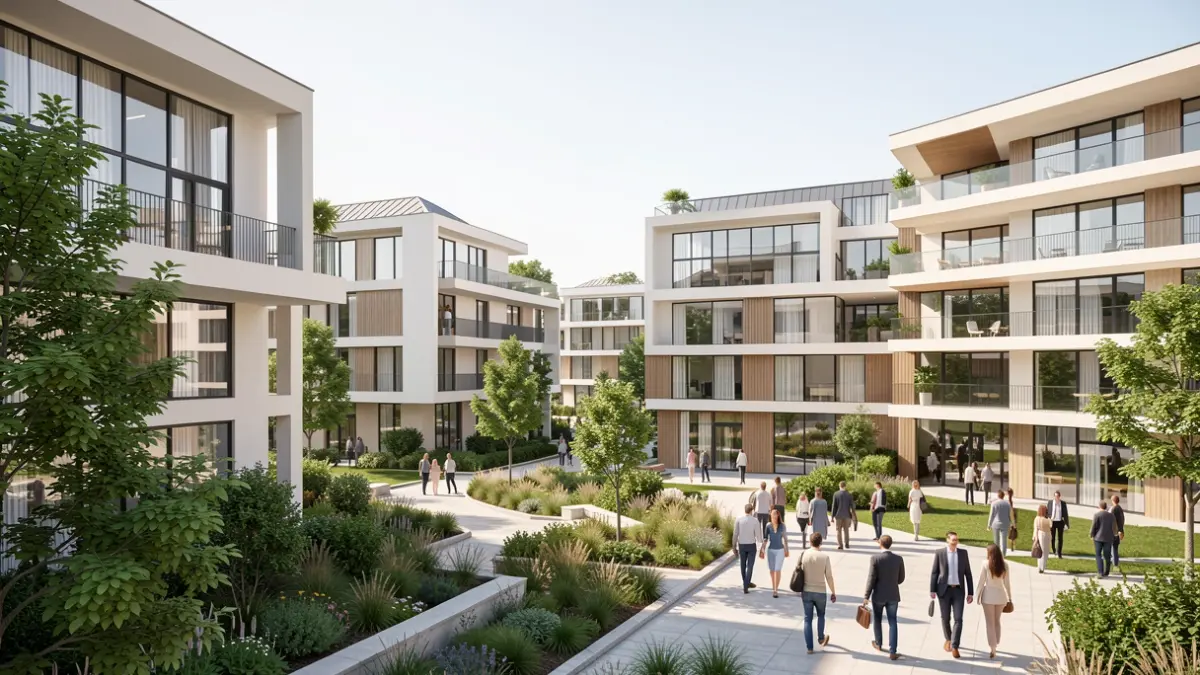

The flexible accommodation sector, which ranges from tourist homes to apart-hotels and specialized residences, is emerging as a "strategic engine" to consolidate Spain as an international and luxury tourism destination. This model adapts to the needs of the modern traveler, combining a desirable lifestyle with legal certainty.
During the conferences, held in the capital of Málaga, over 600 investors, operators, and institutional representatives are analyzing the future of this constantly transforming industry. Data presented at the congress opening confirms that Spain leads the European flexible accommodation market, with Andalucía standing out as one of the regions with the highest growth and international appeal.
“"The sector is evolving towards an increasingly professionalized ecosystem, where hospitality, residential, technology, and investment converge."
The institutional inauguration was attended by various public figures, including the Mayor of Málaga, who defended the need to promote a tourism model based on quality and sustainability. He highlighted tourism's strategic role in the Spanish economy, representing 16% of the national GDP, and its significant impact on Málaga and Andalucía.
Furthermore, the sector's capacity to generate employment and attract international investment was emphasized, stressing the importance of collaboration between administrations and the private sector to address urban, housing, and flexible accommodation regulation challenges. The Costa del Sol is consolidating as an adaptable destination, evolving towards premium residential tourism models and luxury villas.
The market is experiencing sustained demand growth, driven by sector professionalization and the entry of large investors. This model is presented as a key tool to compete in the global luxury segment, with favorable growth prospects for the coming years. The flexible accommodation supply is expected to triple by 2030, responding to a demand for residences with services and added value.
Regarding the impact of artificial intelligence, experts noted that the sector is on a "learning curve." Although AI is useful for automation and asset monitoring, it was stressed that human interaction and personalized attention remain essential for sophisticated clients.