
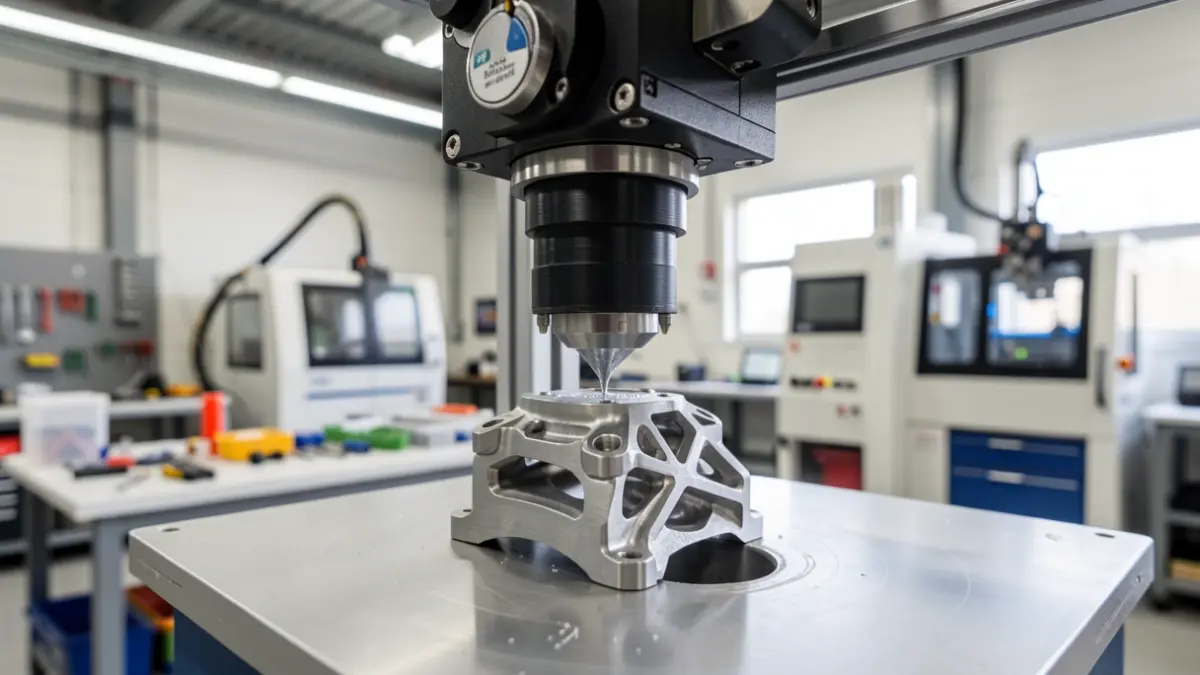
This measure consolidates a key technology that is already transforming the procurement of spare parts and the recovery of in-service equipment, reinforcing the role of the Center for Specialization in Manufacturing and Repair of Navy Parts (CESFARE). This facility, located at the Rota Naval Base and under the Maintenance Command of the Cádiz Arsenal, is a pioneer in manufacturing components through 3D printing technologies, reverse engineering, and advanced digitalization of spare parts.
The new regulation establishes a unified procedure for the identification, design, prototyping, manufacturing, certification, and cataloging of produced parts. Furthermore, it promotes the creation of a digital spare parts application and archive, advancing towards a logistical model based on digital inventories and on-demand manufacturing.
CESFARE, inaugurated in September 2024 in a space exceeding 350 square meters, has produced 2,764 parts since becoming operational until last April, exceeding a hundred components monthly.
This initiative is part of the additive manufacturing strategy of the Ministry of Defense, which included the creation of three Specialization Centers in Albacete, Córdoba, and Rota, as well as a development center in Linares.
Additive manufacturing offers significant advantages for the sustainment of naval systems, such as reduced supply times, lower costs for short production runs, recovery of obsolete parts, greater logistical autonomy from external suppliers, and combating programmed obsolescence.
The facilities in Rota are equipped with capabilities for 3D scanning, digital design and simulation, reverse engineering, metal and polymer printing, CNC machining, heat treatments, and advanced inspection systems.