The construction sector in Andalusia, and particularly in the Province of Málaga, faces a significant challenge due to high housing demand and slow response capacity. This situation has generated considerable pressure on the real estate market, leading industrialized solutions to gain ground as a viable alternative.
“"There is such a large pent-up demand that supply cannot keep up."
In Spain, 2.7 homes are built per thousand inhabitants, a figure that rises to 3.8 in Andalusia and 5.2 in the Province of Málaga. This growth is driven by an annual increase of 15,000 new inhabitants in Málaga, with prices exceeding 2,300 euros per square meter. Despite a 35% increase in housing permits during the first quarter of 2026, supply remains insufficient.
The energy rehabilitation of existing buildings is another key area requiring urgent attention. With only 226 rehabilitation projects in Málaga during the first quarter, barriers such as slow permits, traditional construction culture, and bureaucracy are identified. It is estimated that over 40% of energy consumption in Europe comes from buildings, highlighting the need for effective insulation, especially in the south, where cooling is more expensive than heating.
“"Energy renovation is needed."
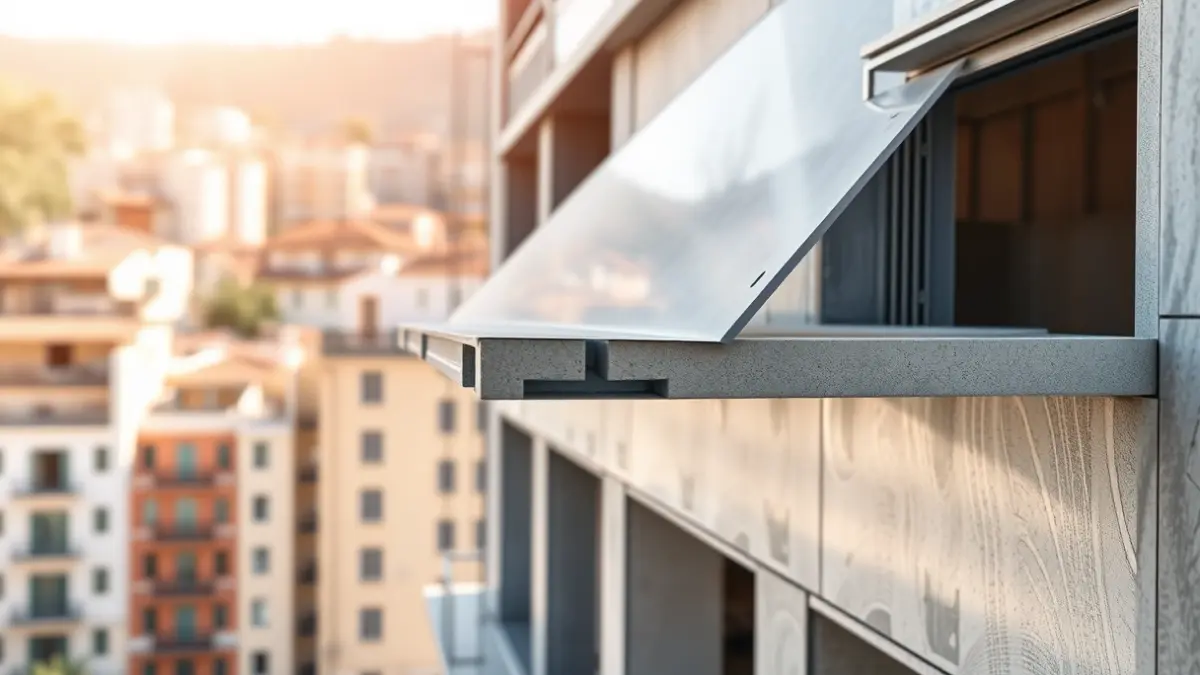
By 2030, all buildings must meet a minimum energy rating of D. However, Spain has over 20 million homes built under previous codes, indicating the scale of the challenge. Vertical extensions, through the addition of floors with lightweight systems to existing buildings, are presented as a solution to alleviate land scarcity, although their application is subject to municipal regulations.
Industrialized systems not only promise greater efficiency and less reliance on labor, but also reduced costs and improved final quality. These methods have been well received in regions such as Navarra and major cities like Madrid, Seville, Málaga, Barcelona, and Valencia. The streamlining of administrative permits is crucial for the effective implementation of these solutions.