With a staff of around 300 people, including Navy personnel and civilians, distributed between the Rota Naval Base and La Carraca in San Fernando, the Headquarters is tasked with keeping the fleet operational. This includes the veteran F-80 frigates, the transition to the new F-110 s, and the maintenance of the amphibious assault ships Castilla and Galicia, as well as the aircraft carrier Juan Carlos I.
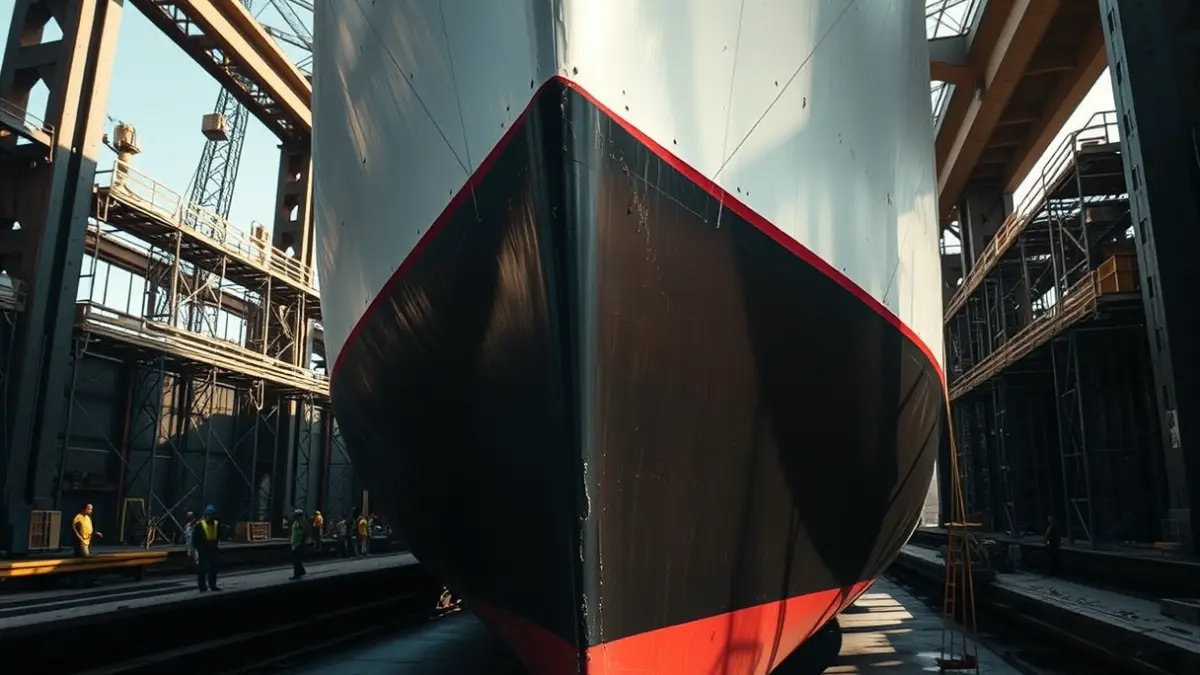
The training ship Juan Sebastián de Elcano, approaching its centenary, is scheduled for dry dock upon its return from the 98th training cruise at the end of July. Work will focus on the stern area, and the best way to replace the main engine is being evaluated, transitioning from a combustion engine to a more eco-sustainable system with generator engines and an electric motor. This re-engining process is estimated to take two to three years, planned so as not to interrupt its annual voyages.
“"The Elcano's maintenance plan is a living document, adapted each year. It is a very old, unique ship, so we cannot compare it with the maintenance carried out on others."
Additionally, the Headquarters is responsible for the sustainment of the F-80 frigates, with over 40 years of service. Improvements are being made to onboard living conditions and systems are being adapted to new threats. Several of these frigates, such as the Reina Sofía and the Canarias, are scheduled to enter Navantia Cádiz shipyards this summer for programmed revisions and repairs.
The arrival of the new F-110 frigates from 2027 or 2028 in Rota will pose a "great challenge," with the implementation of technologies such as the digital twin to optimize predictive maintenance. This system will allow for the creation of virtual replicas of the ships to anticipate and plan necessary work. The workload is expected to increase significantly with the incorporation of these new units.
The amphibious assault ships Galicia and Castilla, also based in Rota, will undergo their mid-life maintenance in the next three to four years. Although the main modifications are expected to take place in Ferrol, many derived and complementary actions are anticipated to impact the Bay of Cadiz, generating a significant workload for local companies. The ship Galicia, for example, is scheduled to enter the Navantia factory in the city of Cadiz in September or October for revisions and repairs.