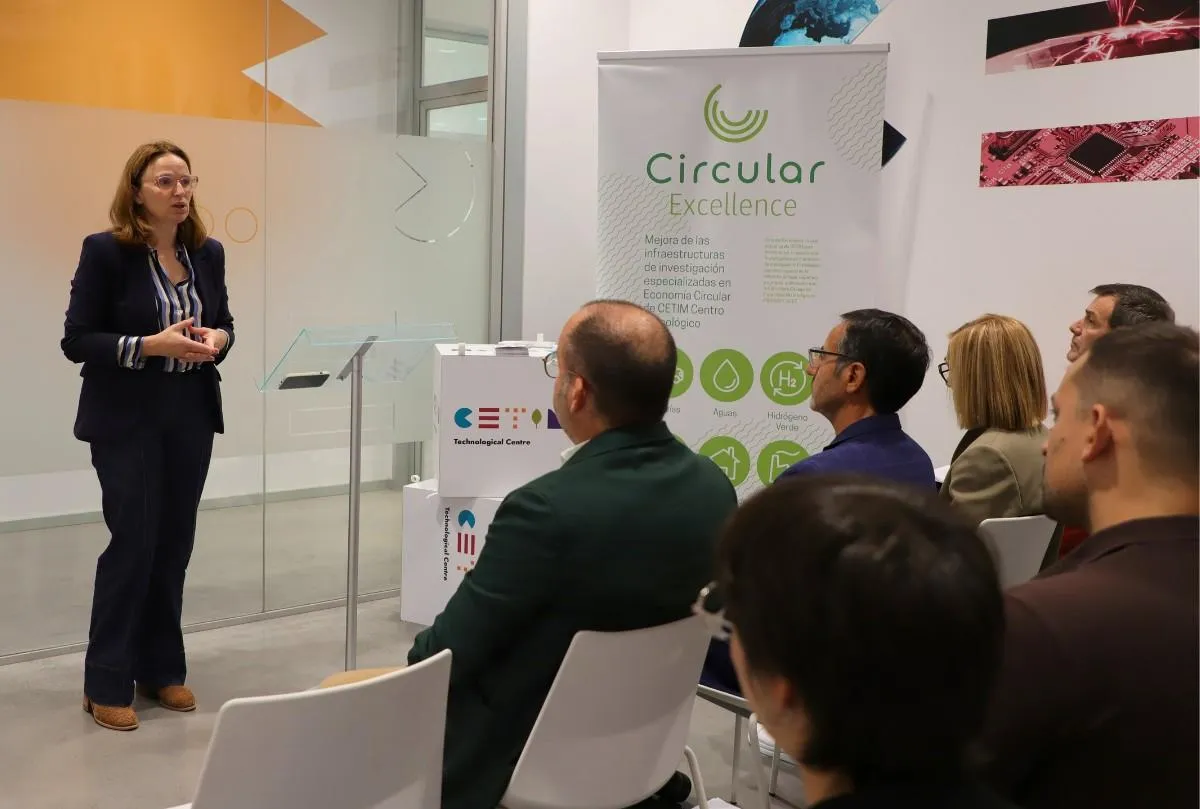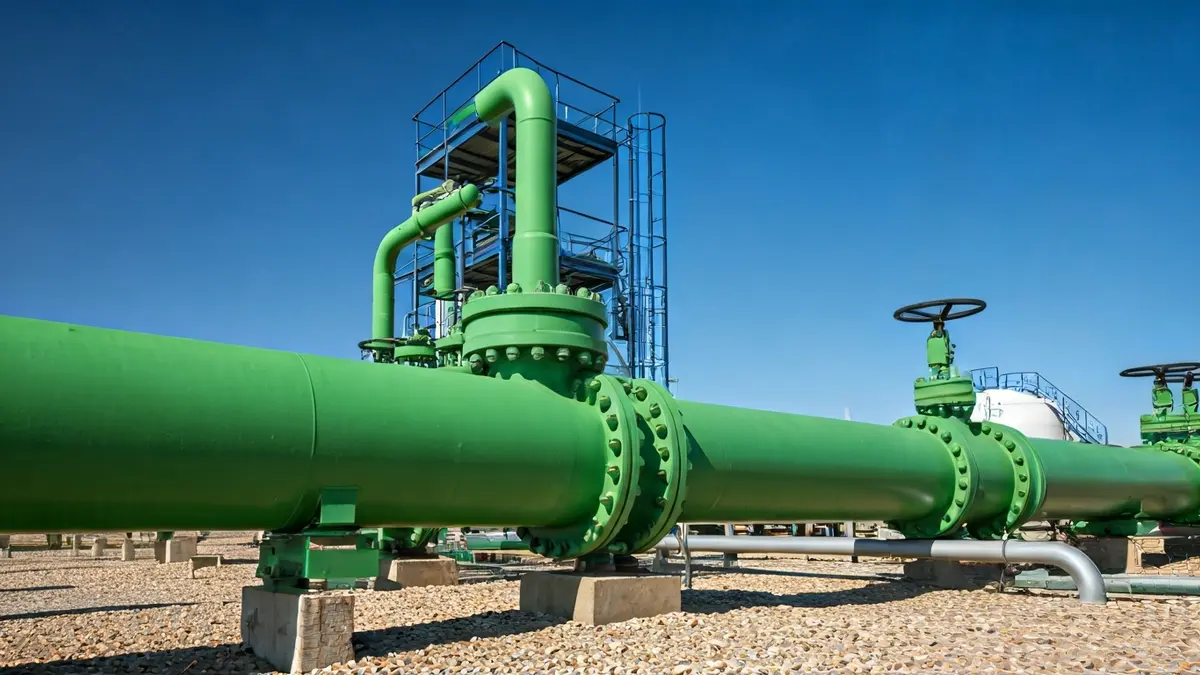
Investment in decarbonization technologies, with green hydrogen as a fundamental pillar, is emerging as the growth engine for Andalusian chemistry in the coming years. Andalusia, with its robust business ecosystem, has a unique opportunity to strengthen its position within the national chemical sector.
“"The opportunity that Andalusia has is investment in decarbonization technologies, with a significant commitment to green hydrogen valleys."
To materialize this vision, Labat emphasizes the need to implement carbon contracts for difference. This recently created state tool aims to partially offset the additional costs of adopting less polluting technologies, making green hydrogen profitable in the short or medium term.
The general director of Feique also highlights the presence of large companies in Andalusia, such as Moeve or Atlantic Copper, which facilitate investment in decarbonization and allow them to compete internationally. Furthermore, the region boasts a strategic location and access to competitive electricity prices, as well as gas and hydrogen, providing it with all necessary energy vectors.
“"Andalusia must take advantage of its proximity and access to competitive electricity prices; it has gas and will have hydrogen, it will have all the energy vectors."
Maritime access through the ports of Algeciras and Huelva adds significant value. The port of Huelva, described by Labat as having the “largest space in all of Spain,” could become a key hub for Mediterranean exchanges with Africa and Latin America. The importance of strengthening railway infrastructure to boost internal trade is also underscored.
Despite progress in emission reduction, with a 58.5% decrease since 1990, Labat warns that the most complex challenges lie ahead. The employers' association alerts to the risk of disinvestment if the recovery of basic chemistry, a crucial sector in Huelva and Campo de Gibraltar, is not facilitated by alleviating energy costs.
Feique proposes modifications to the electricity market, such as reducing tolls and taxes, increasing compensation, and eliminating system charges. It also calls for the creation of a Statute for Gas-Intensive Consumers to establish permanent support mechanisms and promote industrial decarbonization.
Forecasts for 2026, which anticipated growth in the second half of the year, have been altered by the conflict in the Middle East. Although Feique expects the impact to be limited to rising energy costs, there is concern about a potential increase in gas prices during the summer months.