Coexphal, representing 70% of Almería's horticultural production and 80% of its exports, presented the campaign's balance sheet. Despite a 4% decrease in marketed volume, the average price increase led to an 8% rise in overall revenue. This trend breaks the production growth of the previous two years, although revenue continues to climb.
The average unit cost has risen by 4.7%, tripling the previous campaign's increase (1.5%). Notable surges include fertilizers and manures (+27%), fuels (+50%), plastics and construction materials (+5%), and labor (+3.1%), which remains the primary component of production costs.
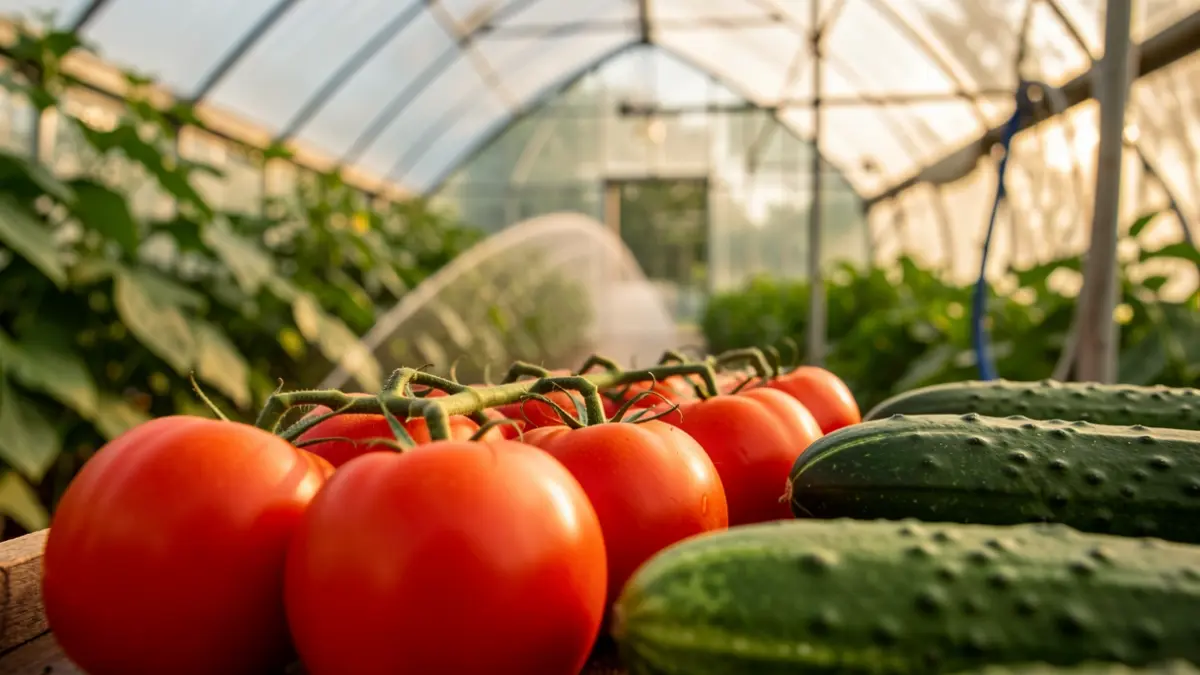
The best-performing crops were zucchini, eggplant, cucumber, and tomato. Conversely, peppers and watermelons closed the fiscal year with revenue declines of 6% and 5%, respectively.
Regarding tomato exports to the EU-27 and the United Kingdom, national exports fell by 7% to 544,915 tons. The Province of Almería saw a more moderate decrease (-5%), reaching 361,302 tons, thus increasing its relative share to 66% of national exports. Germany remains the main destination, followed by France, the Netherlands, and Poland. United Kingdom's purchases showed significant growth.
Spanish tomato imports from Morocco increased by 4% (89,504 tons), albeit at a slower pace than the previous year. Moroccan exports to the EU and UK decreased by 7%. The expansion of production in the Dajla region of Western Sahara continues to be a concern, as it is expected to significantly increase its productive area for the European market in the coming years.