The University Miguel Hernández (UMH) in Elche, in collaboration with the University of California, Santa Barbara (USA) and the Swiss Federal Institute of Technology Zurich (Switzerland), has demonstrated how artificial intelligence can make future visual prostheses more precise and effective. The work uses AI to design electrical stimulation patterns for the brain, anticipating neuronal response and the resulting visual perception in blind individuals.
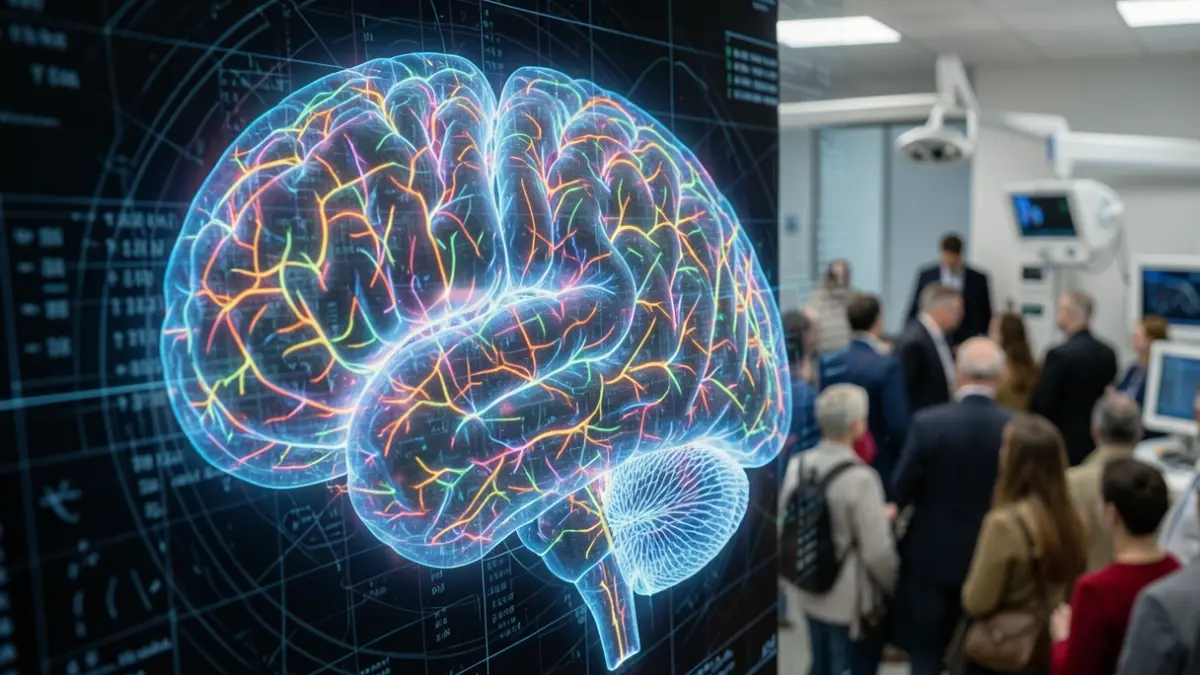
This study serves as a key proof of concept for advancing the development of cortical visual prostheses, devices that directly stimulate the brain's visual cortex to generate visual perceptions. Researchers employed a deep learning model to determine how to stimulate an electrode array implanted in the visual cortex of a blind participant, achieving greater neuronal control, lower electrical currents, and better prediction of perception.
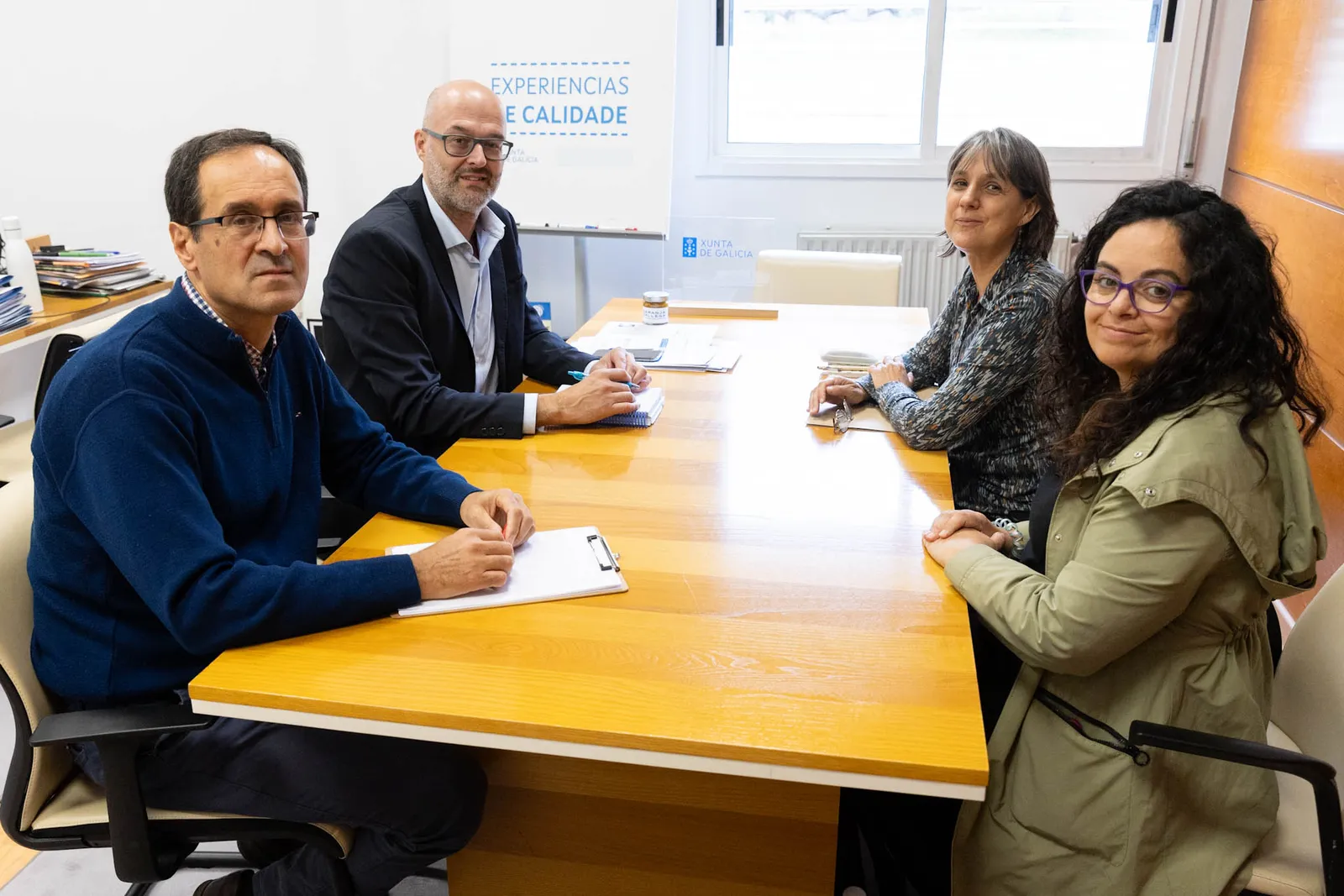
The research, conducted at the UMH Institute of Bioengineering with collaboration from the IMED Elche Hospital, was led by UMH professor Eduardo Fernández, along with Shih-Chii Liu (ETH Zurich) and Michael Beyeler (UC Santa Barbara). It is part of a UMH research line focused on the viability of cortical visual prostheses, which intervene in advanced stages of the visual pathway.
Cortical prostheses directly stimulate the visual cortex, offering an alternative for patients with eye or optic nerve damage but a functional visual cortex. However, as Eduardo Fernández Jover, UMH professor, explains, this technology currently excludes individuals born blind, as it requires the brain to have previously developed the capacity to process images.
The study stems from the observation that electrical stimulation of visual brain areas generates luminous perceptions (phosphenes) in blind volunteers, but the relationship between currents and perception is complex. To optimize this interaction, the team developed a deep neural network capable of learning the relationship between stimulation patterns and brain activity, calculating optimal electrode and current combinations to induce the desired response with greater precision and safety.
This dynamic adaptation capability is crucial, as brain response can vary between individuals and even within the same subject. Artificial intelligence allows for personalized stimulation, which is unfeasible with fixed configurations. The system integrates real-time information about brain state to dynamically modulate stimulation.
The authors emphasize that the study is a proof of concept and that results need validation in a larger sample before clinical application. The UMH Biomedical Neuroengineering lab is actively recruiting blind volunteers for future research. The study is funded by the Spanish Ministry of Science, Innovation and Universities, the Generalitat Valenciana, the European Union, the Dutch consortium INTENSE, the Swiss National Science Foundation, and the US National Institutes of Health.