Researcher Guillermina López Bendito from the UMH-CSIC Neuroscience Institute (IN) has led a study demonstrating that the thalamus's intrinsic activity is fundamental for organizing visual circuits during development. The research, conducted on mouse models, reveals that altering this activity modifies the quantity and distribution of interneurons in the visual thalamus and their organization in the visual cortex.
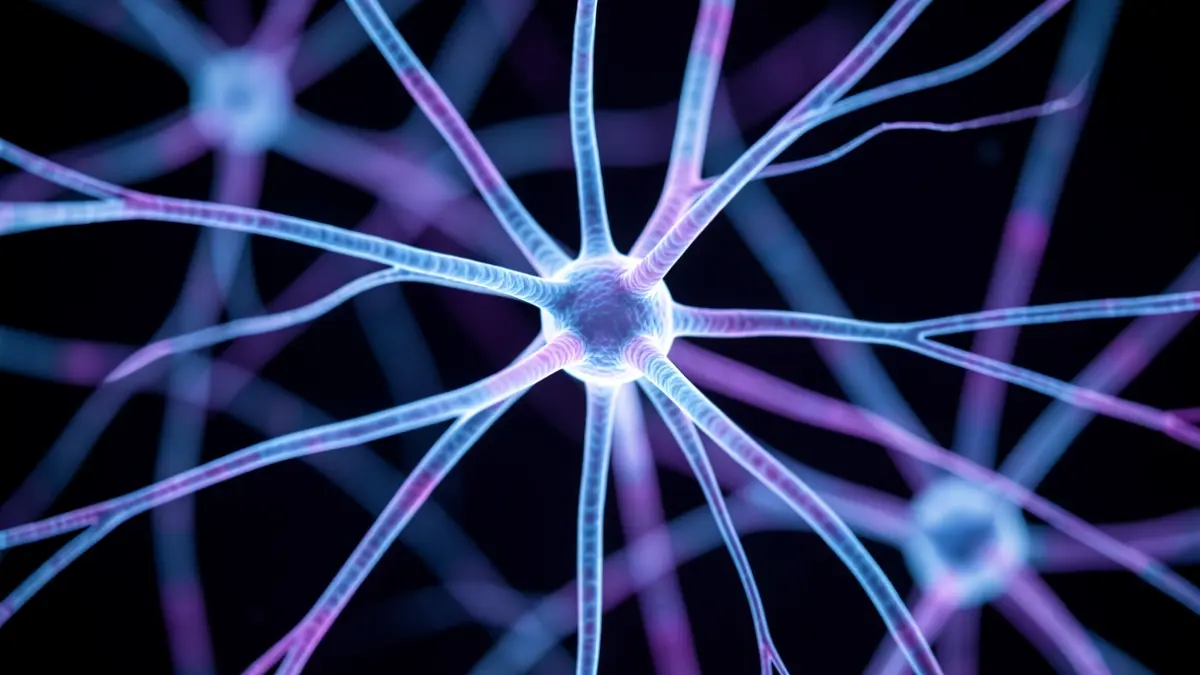
The thalamus, which receives information from the retina and transmits it to the cerebral cortex, plays an active role in the construction of neural circuits. Its activity regulates how interneurons are incorporated and distributed, a key process for the correct organization of these circuits.
The development of the visual system begins before external information is received. Spontaneous neuronal activity, particularly before the eyes open in mice, contributes to organizing neural circuits. The team modified thalamic activity without eliminating retinal connections, observing changes in the density and proportion of interneurons.
The study focuses on inhibitory interneurons, which regulate neuronal activity. Results indicate that the thalamus's intrinsic activity is a key factor for the density of these cells, modifying their integration and distribution within the circuit. These mechanisms are complementary to those of the retina.
Altering thalamic activity during prenatal development also affects the organization of interneurons in the visual cortex, influencing circuits beyond the thalamus itself.
This work has received funding from the European Research Council, the Ministry of Science, Innovation and Universities, the State Research Agency, and the Generalitat Valenciana.