The Meteorology and Climatology Area of CEAM (Mediterranean Centre for Environmental Studies) is leading the analysis of heatwaves, compound heat-aerosol events, and their health impacts within the CHARMeD project (Compound Heatwaves and Aerosol Risk in the Mediterranean). This project is part of the CAMS National Collaboration Programme, implemented by the European Centre for Medium-Range Weather Forecasts (ECMWF) on behalf of the European Union.
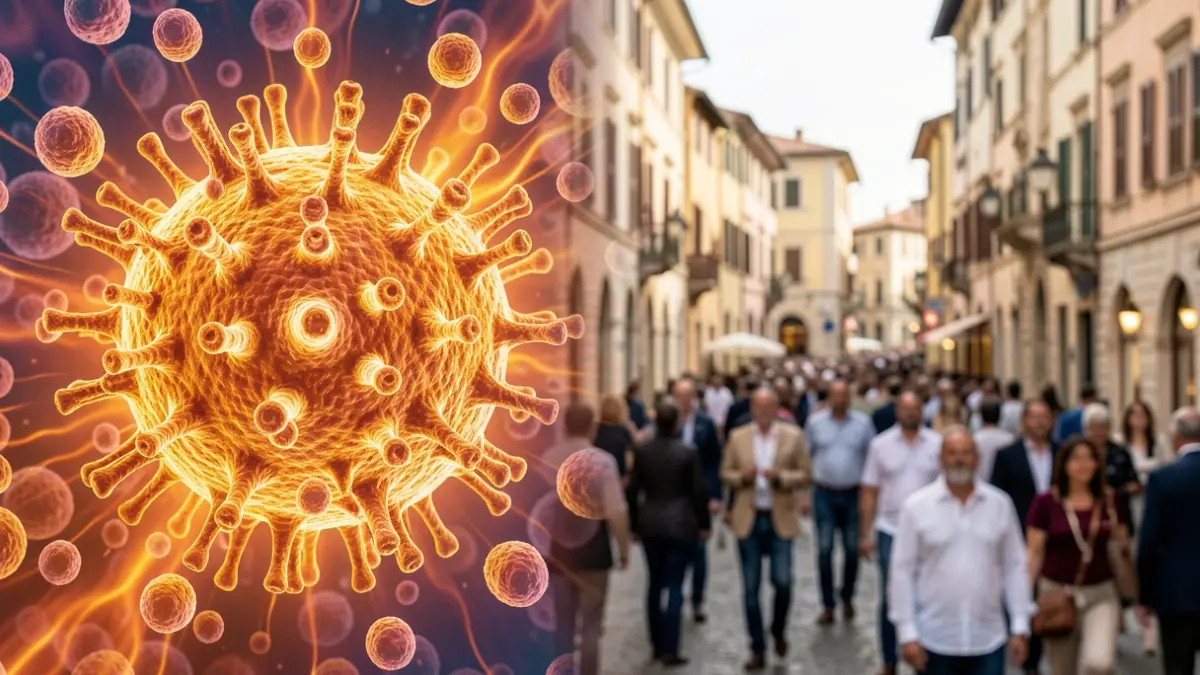
The main objective of CHARMeD is to improve the characterization and anticipation of risks arising from the combination of extreme heat episodes with atmospheric aerosols, such as mineral dust, smoke, and other particles, with a particular focus on their health effects across the Mediterranean region.
The CEAM team will integrate meteorological, environmental, and health information, utilizing products from the Copernicus Atmosphere Monitoring Service (CAMS) and climate reanalyses. Valencia will be one of the two regional demonstration cases for the project, alongside the Peloponnese.
In both regions, tools will be developed and evaluated to enhance risk anticipation and support warning systems and decision-making approaches that consider both meteorological and environmental hazards, as well as their potential impacts. For the Valencian case, CEAM will collaborate closely with the Generalitat Valenciana (Valencian Regional Government), through the Ministry of Environment and the Directorate General for Environmental Quality and Education, to address specific regional needs and improve preparedness for extreme events.
CHARMeD will contribute to advancing more integrated and impact-oriented climate and environmental services, transforming meteorological and aerosol information into actionable knowledge for risk anticipation and decision-making support, thereby strengthening the response capacity to compound risks that are becoming increasingly relevant in a changing climate.