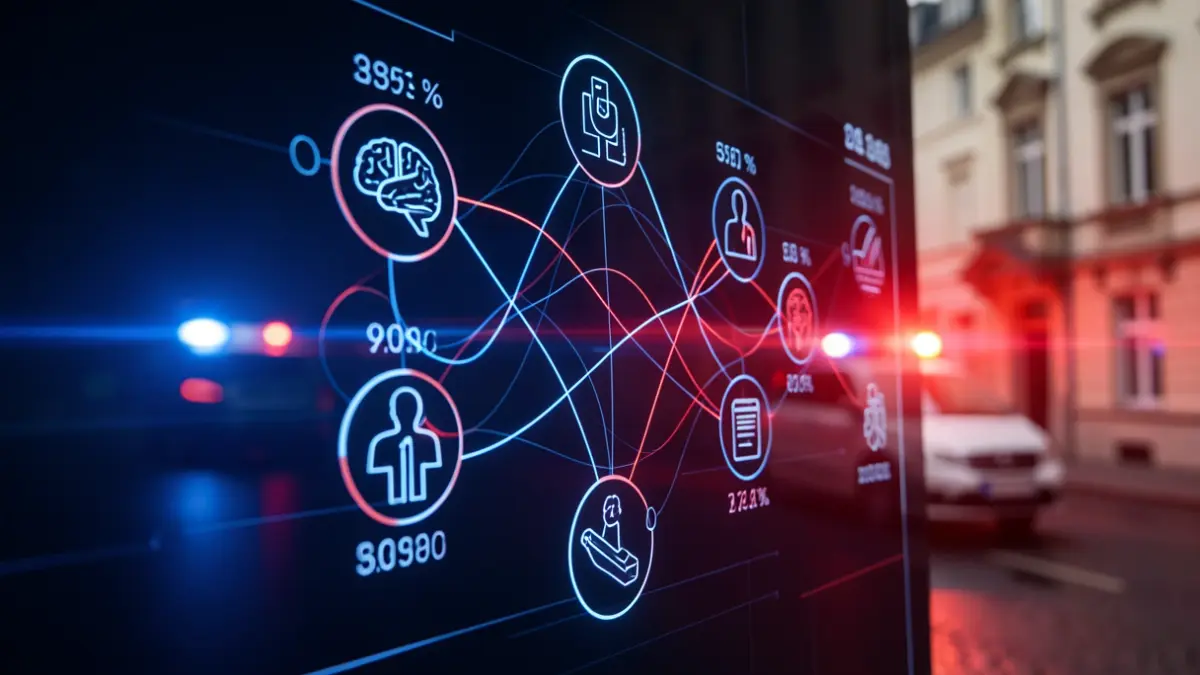
ITACA researchers have designed and technologically implemented the system, training predictive models that analyze various information sources during medical emergencies. The goal is to suggest the priority for incident review by healthcare personnel.
The AI uses data such as the call's reason, clinical information, operator's description, and call context. These variables help predict vital risk, acceptable delay, and jurisdiction, to be compared with the priority assigned by the 112 operator and prioritize review in case of discrepancy.
“"The tool has been conceived as an AI to predict vital risk, acceptable delay, and call jurisdiction. These three variables are directly mapped to the emergency's priority, which is compared to that assigned by the 112 operator to prioritize its review by SES-CV healthcare personnel in case of discrepancy."
The technological solution was presented during a training session for the SES-CV, led by emergency doctor Antonio Félix de Castro, whose experience was crucial in guiding the development towards the real needs of the healthcare environment. Miguel Ángel Tarancón, IT manager at SESCV, also participated in the technological and functional validation.
To facilitate implementation, the project collaborated with Omda, the owner of the 112 information and communications platform CoordCom, where the tool was integrated. As a future line, the technology can be adapted to different emergency and health coordination services, with European collaborations for a global solution.