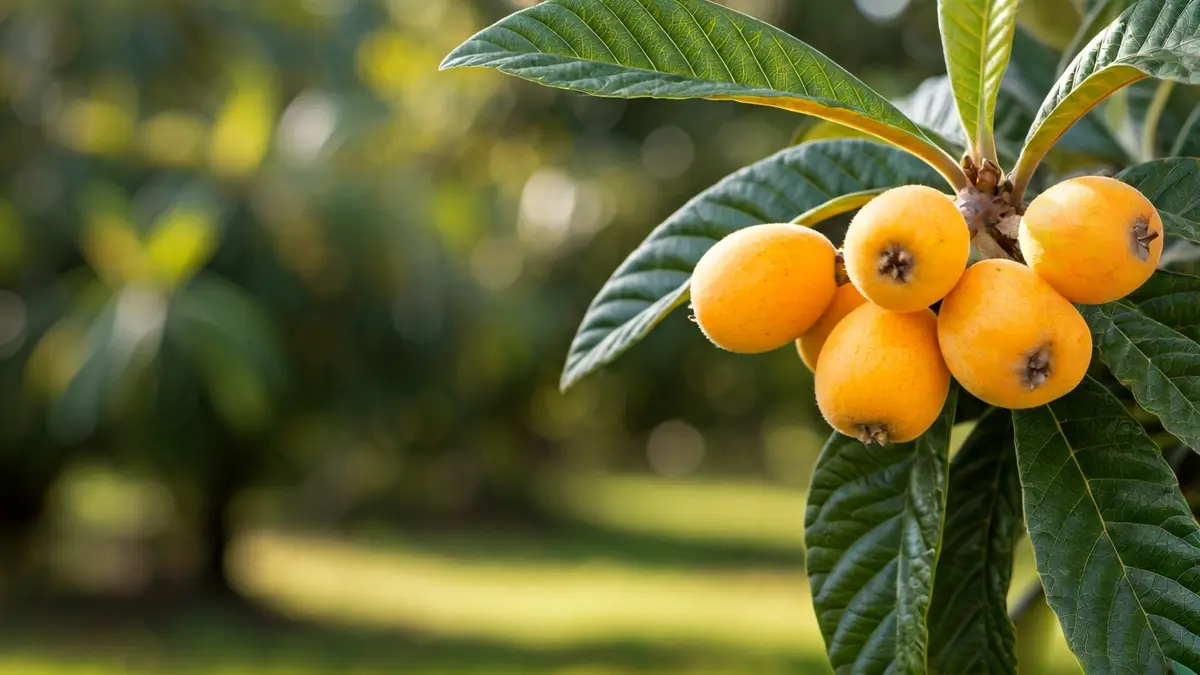
The rainfall recorded last March has been crucial for the optimal setting of loquats. These rains arrived at the right time in the campaign, leading farmers to expect a "high-quality" production this year, as stated by Asaja Alicante.
Despite these positive forecasts, the campaign faces a "serious threat" due to "unaffordable production costs for farmers," stemming from the conflict in the Middle East. The increased prices of products like diesel and plastic could significantly reduce farmers' profits.
“"We are small farms, minifundios, transporting our production to warehouses ourselves; with the rising cost of diesel and materials like plastic and wood, we are feeling it quite a bit."
Another significant challenge for the loquat sector is the lack of labor. The harvesting of this fruit is manual and costly, and its complex handling prevents economies of scale. This problem also affects other crops such as the bagged grapes of Vinalopó or cherries from the Alicante mountains.
Asaja Alicante has warned about the need for the Administration to provide labor and fiscal support to producers of fruits that, like loquats, cannot be mechanized. The difficulty in finding workers is one of the biggest obstacles facing the sector.
“"Arriving earlier makes a difference; the loquat is the first fruit of spring, and that allows it to gain prominence on the shelves."