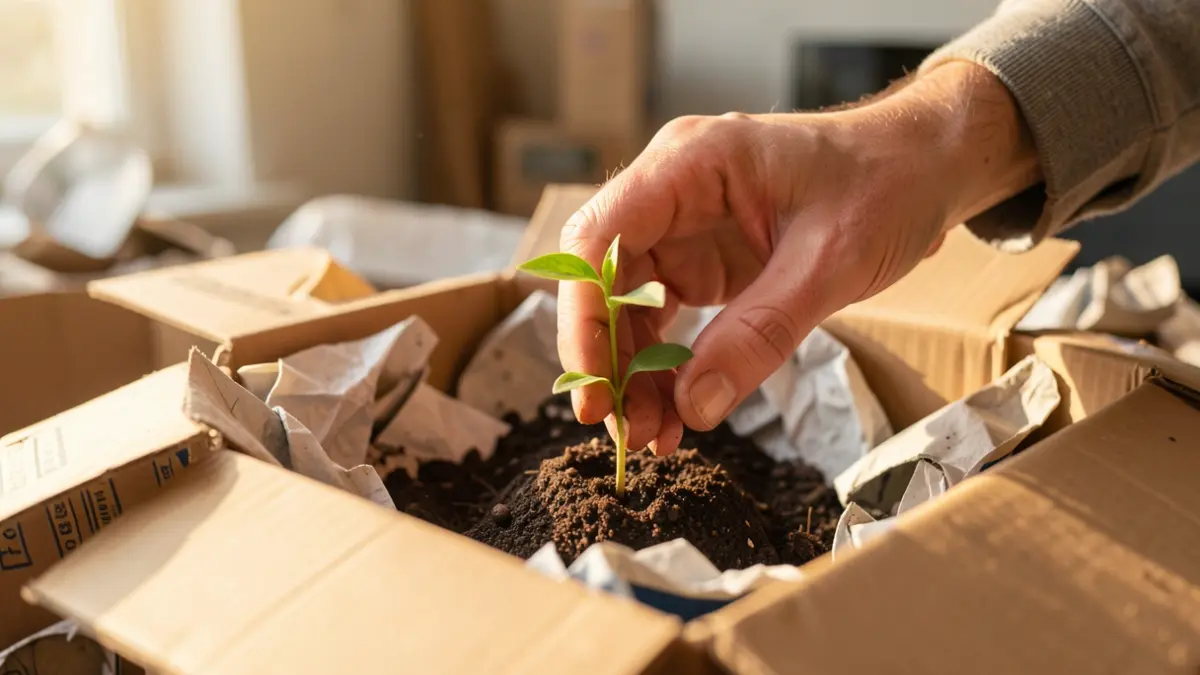
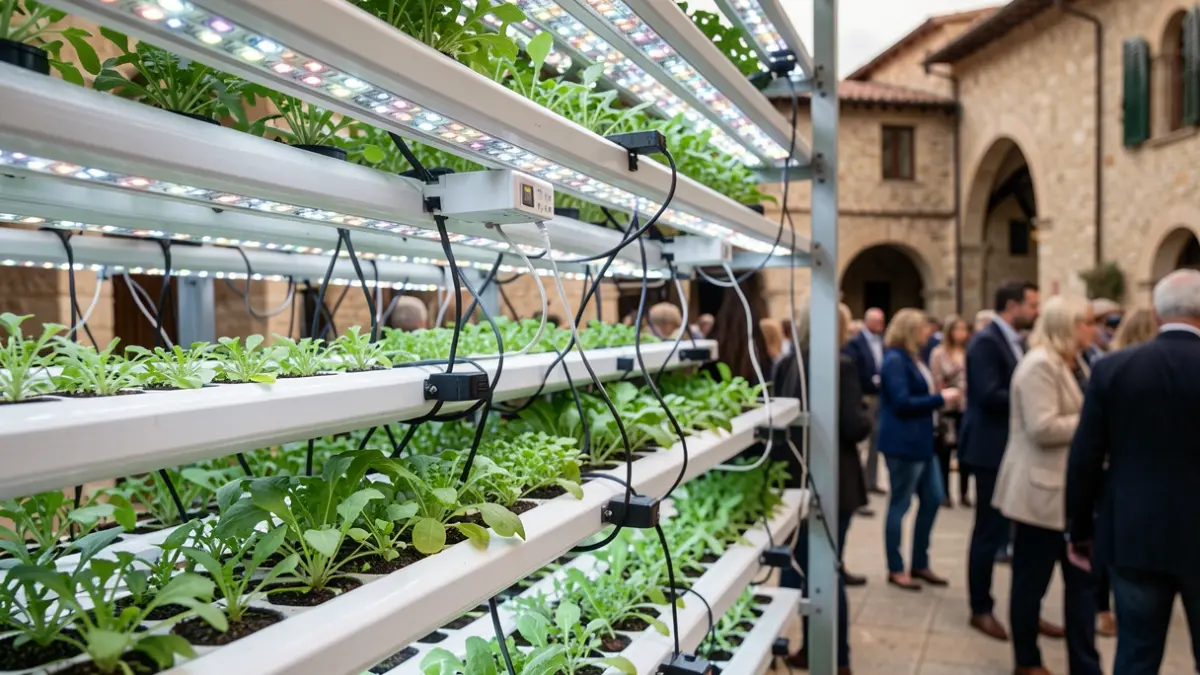
The technology, protected by a patent application, integrates a multi-layer structure with a hydroponic system and a growth support. This hybrid design, tested in medicinal cannabis cultivation facilities, has demonstrated significant improvements compared to current industrial methods.
The system is divided into three layers and uses a network of sensors and devices to exchange information and make autonomous decisions. The bottom layer contains a water reservoir where parameters like pH and temperature are controlled, while the middle layer promotes aeration and drainage, and the top layer houses the substrate where the plant develops.
According to Francisco Javier Ferrández, a UA researcher, the middle zone acts as an 'air cushion' that oxygenates the roots and improves water management. Furthermore, the system achieves up to 40% water savings thanks to a calibrated drainage system and an autonomous controller that prevents waterlogging.
This invention controls all parameters in real-time, learns, and predicts autonomously, enhancing root development and providing the plant with the necessary light, water, and nutrients. This simplifies supervision tasks for the farmer or producer.
Applications for this technology include greenhouses, seedbeds, forest nurseries, floriculture, ornamental production, and food horticulture. It is also useful for agronomic research and for sectors dealing with medicinal and aromatic plants, as it facilitates data collection.
Ferrández highlights that this advancement is the result of the synergy between agricultural science and technologies like Artificial Intelligence (AI) and the Internet of Things (IoT), marking a milestone in the digitalization of the agricultural sector.
The UA already has a functional prototype and is seeking companies interested in acquiring a license for its commercial exploitation through its Research Results Transfer Service (OTRI).