The concept of recycling is often limited to domestic packaging, but Europe's environmental challenge is far broader. Many products, such as clothing, contain plastic polymers mixed with other materials, making their treatment extremely difficult. This complex waste, including natural fibers, zippers, or coatings, poses a significant challenge to the circular economy.
The European project TEXTENDED, involving the Institute of Technology of Plastics (AIMPLAS) in Valencia, addresses this issue from an integrated perspective. The goal is to reduce textile waste by up to 80% by improving collection, sorting, material separation, and applying advanced recycling technologies.
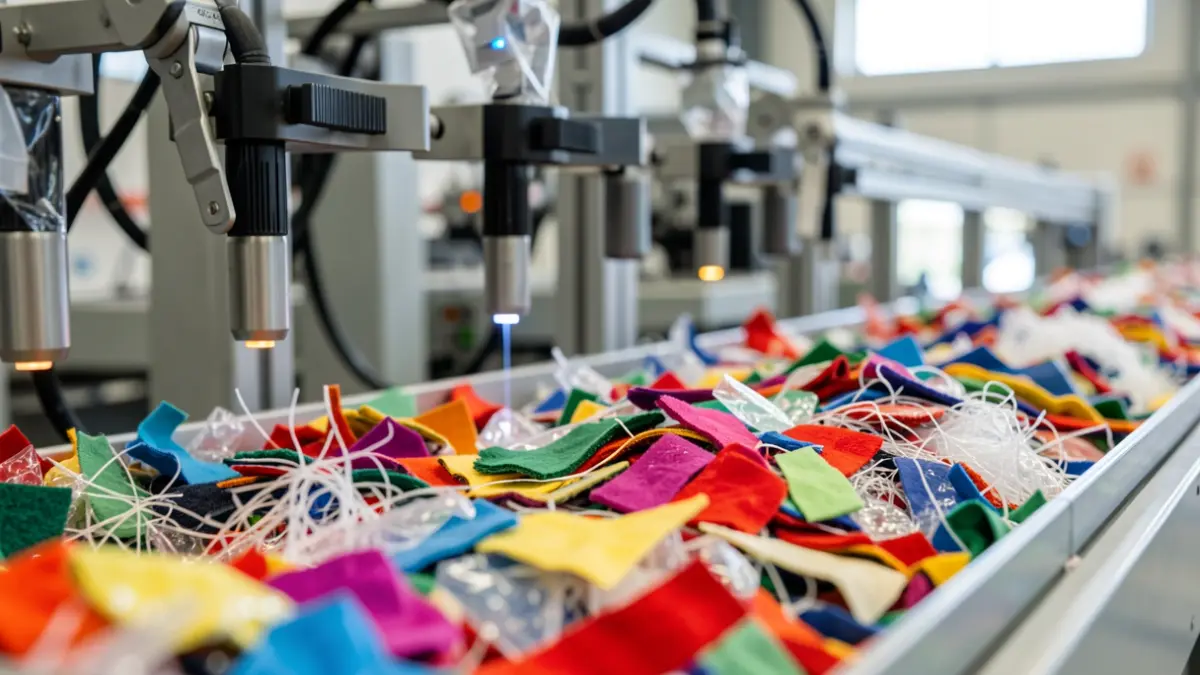
AIMPLAS researchers are working on the precise identification of textile materials using optical sensors, developing processes to separate non-textile components, and investigating chemical solutions to separate polymers. This approach broadens the range of recyclable materials, also including waste from electrical appliances or multilayer structures.
For these advancements to have a real impact, social awareness is crucial. AIMPLAS conducts outreach activities, such as a recent talk at CEIP Jaume I in Alcàsser, to explain to schoolchildren how science transforms seemingly useless materials into new resources, aiming to change the social perception of plastic and foster scientific vocations.
With increasingly stringent European regulations and projects like TEXTENDED, the future of recycling encompasses a wide diversity of materials that, thanks to innovation, can re-enter the production cycle, demonstrating that waste, even if it doesn't always look like plastic, can increasingly be recycled.