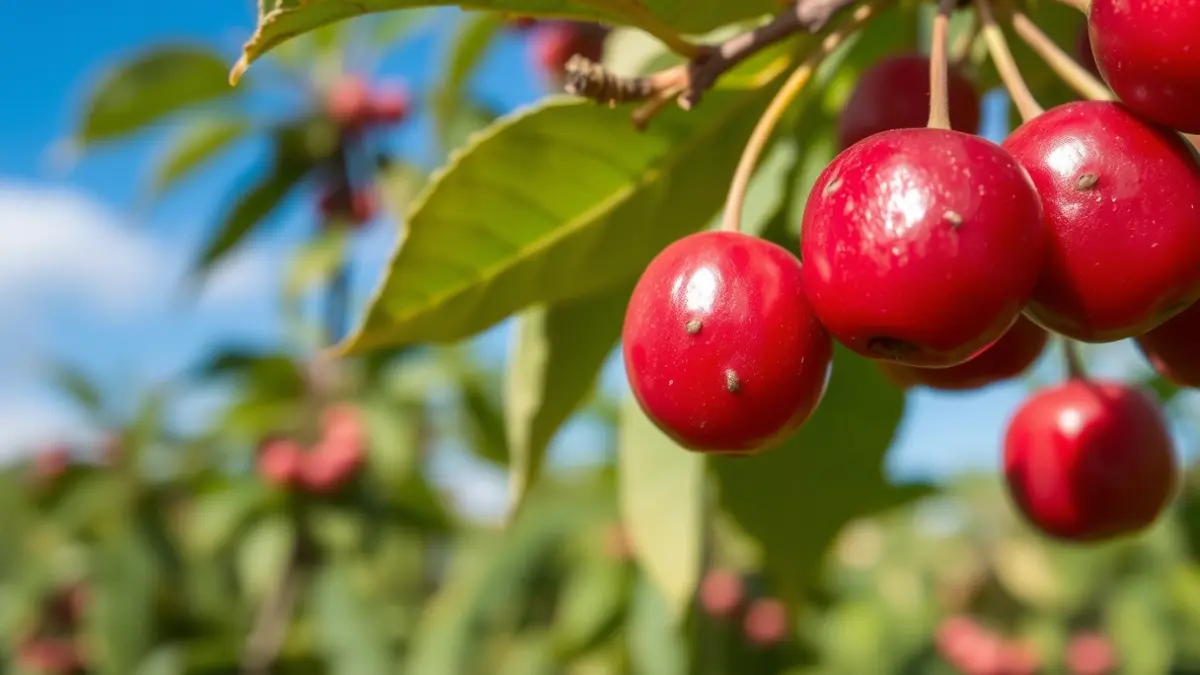
This initiative seeks a new tool for the integrated management of this pest, known as the spotted-wing drosophila. The program involves the experimental release of the parasitoid Ganaspis kimorum, a specific natural enemy that acts as a biological control for this invasive species. Drosophila suzukii poses a major phytosanitary challenge, as females puncture healthy fruits during the ripening phase, causing significant damage.
Given the inadequacy of traditional chemical treatments, biological control is proving essential. Initially, a single release has been designed, focused on two key producing areas: cherry growing regions in the province of Castellón and in the Alicante Mountains.
“"This pilot phase is the necessary preliminary step for definitive deployment. If the successful establishment of the parasitoid and respect for endemic biodiversity are confirmed, the medium-term objective is to carry out reinforcement releases, ensuring that this parasitoid establishes itself naturally in the system and keeps pest levels below economic damage thresholds."
This measure complements the recent distribution of a low-environmental-impact biological insecticide (spinosad), provided free of charge by the Ministry. This product will protect approximately 650 hectares of cherry crops in the regions of El Comtat, La Marina Alta, La Marina Baixa, L'Alacantí, L'Alcoià, and L'Alt Vinalopó. This will complete the biological control strategy for the spotted-wing drosophila, minimizing residues on fruit and ensuring adequate pest control.
Furthermore, the Plant Health Service continuously monitors the biological cycle of Drosophila suzukii and recommends the application of insecticide treatments, especially in plots with fruit in initial ripening stages or those that registered significant damage in the previous season. The importance of adequately protecting ripe harvests, given the rapid development of the pest, and combining treatments with prophylactic measures, avoiding leaving unharvested fruit both on the tree and on the ground, is also emphasized. Bait treatments are not effective against this pest, so applications must be generalized, ensuring good tree coverage. Authorized active ingredients include emamectin benzoate, potassium salts of fatty acids, spinosad, and deltamethrin.