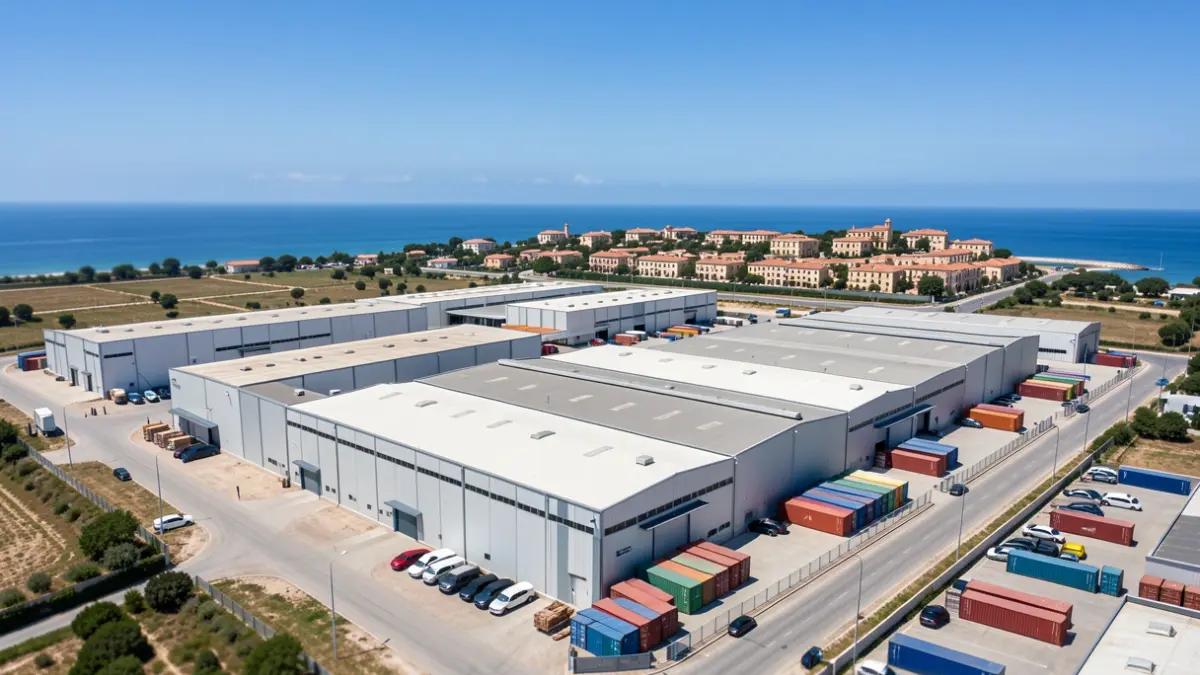
Geely has established its presence in Valencia with the aim of avoiding the 28.8% tariff imposed by the European Union on pure electric vehicles from China. Brussels implemented this rate in the autumn of 2024 to protect the continental industry. The Chinese company arrives in Almussafes with two high-demand 100% electric SUV models, in contrast to the multi-energy vehicles produced by Ford in the same location.
The tariffs, which came into effect in October 2024, range up to 35.3% for the import of Chinese electric vehicles into the EU. The European Commission applies specific rates such as 18.8% to Geely and 17% to BYD, in addition to a 10% general tariff. This means Geely currently pays 28.8% for its electric vehicles produced in China and sold in Europe.
Chinese manufacturers, leaders in electric vehicle production, have accelerated their establishment in Europe to evade these tariffs and reduce logistical costs. They consider that Spain offers competitive advantages thanks to the price of renewable energy, experience in automotive production (Spain is the second-largest European producer), labor costs, the production chain, and public aid to attract the automotive industry.
The Ambassador of the People's Republic of China to Spain, Yao Jing, already expressed months ago the interest of two electric vehicle manufacturers in Valencia, highlighting the port and access to skilled labor. Geely's executives confirmed during the presentation of the agreement with Ford in Almussafes that they are considering the Valencian supplier chain.
Ford's factory in Almussafes had become a target for large Chinese automotive groups seeking to produce in Europe. Three Asian manufacturers had shown interest in assembling their vehicles at this plant. The Changan group, which has a strategic alliance with Ford since 2001 in China, also showed interest, considering an investment of 2 billion euros by 2030, weighing the creation of a new factory or the acquisition of an existing brand, as Geely has now done.
Geely Holding has disbursed 221 million euros to acquire 34% of the joint venture it will establish with Ford to manage the Almussafes plant. This operation values the new company at 650 million euros. According to the Chinese group's communication to the Hong Kong stock market regulator, its investment represents 34% of the new company, while Ford will retain the remaining 66%. The agreement, announced by both parties, means the joint venture will assume the management of the Valencian factory once formally established in 2027, aiming to maximize industrial capacity and strengthen its presence in the European market.
The new company will integrate the factory's 4,142 workers. The companies maintain that the alliance aims to optimize the use of Almussafes' facilities and improve competitiveness in the face of the new automotive sector landscape, stating that it will require an increase in staff, although the number of planned new hires has not yet been specified.