
These interventions are part of FGV's 2026-2030 Action Plan, which foresees a total investment of nearly 300 million euros in modernization and renovation during this period, as reported by the Generalitat in a statement.
The plan also includes improvements to the oldest underground stations on Metrovalencia's Lines 1 and 2, accessibility enhancements, and the enclosure of stations.
Prior to the tender for the works, the public company conducted a thorough inspection of the properties' pathologies. Now, it has put out to tender the execution of the works for a value of 1,725,178.42 euros and the project management for 193,600 euros. The estimated completion time for the works is 12 months from the award.
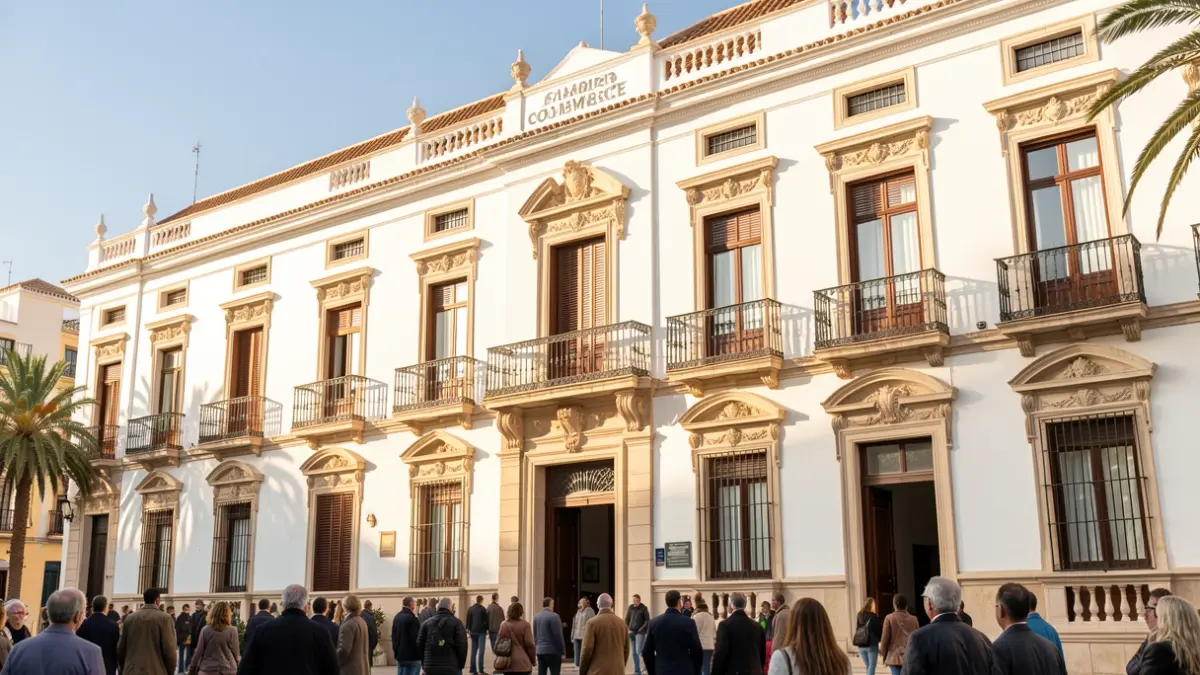
The scope of the work will cover 17 surface station buildings, ten vestibules or surface roofs of underground stations, eight surface substations, five underground substations, one cafeteria, five booths, five emergency exits of underground stations, and eight buildings of different types in the Hermanos Machado and Naranjos complexes.
It is important to note that this list does not include buildings affected by the DANA of 2024, which have already undergone specific rehabilitation, nor those buildings that already have their own project, such as Empalme station, or recently intervened facilities, such as the old workshops in Torrent or Alginet, or more recently constructed ones, such as València la Vella.
The project will address all pathologies of significant importance, excluding minor damages that can be managed by the Infrastructure Maintenance Service. The works will include structural reinforcements, repair of cladding detachments, removal of fiber cement, and the stopping of leaks and cracks to prevent moisture damage.