Disinfecting electronic surfaces demands maintaining equipment hygiene while preventing the procedure itself from causing damage. These devices are constantly touched and, in many environments, frequently cleaned. The product used, its application method, moisture levels, and manufacturer's instructions are crucial.
An electronic surface combines materials like plastics, rubbers, adhesives, or metals that do not always respond equally to repeated cleaning. Manufacturer instructions are the primary limit. For medical equipment, for instance, cleaning and disinfection recommendations are tailored to the device and its specified product. Exposure frequency also influences wear. Disinfectant should be used respecting established concentration and contact times. When necessary, surfaces should be pre-cleaned to remove dirt and organic matter that could interfere with the disinfectant's action.
Maintaining balance throughout the equipment's lifespan is a challenge. The intervention must be sufficient for the intended hygienic conditions yet compatible with exposed materials and components. The amount of liquid also matters; the product should reach the target area but not seep into moisture-sensitive connectors or slots. The application method, such as a wipe or cloth, allows for better control of product quantity compared to direct spraying.
Contact frequency is a key factor in professional settings. When a surface is shared or constantly handled, its hygiene becomes more important. Surface finish wear may appear sooner than expected if the surface doesn't tolerate products or friction well. Therefore, equipment selection and maintenance methods should be related.
For surfaces subjected to intensive use and regular cleaning, treating the material itself or incorporating compatible protection can be beneficial. Alcora offers solutions for surface treatment and protection. One option is antimicrobial copper, which maintains its efficacy after continuous exposure to cleaning products and environmental factors. Another possibility is the Nanoflex Finish MR coating, creating a transparent layer with hydrophobic properties and microbial resistance, offering a minimum one-year protection.
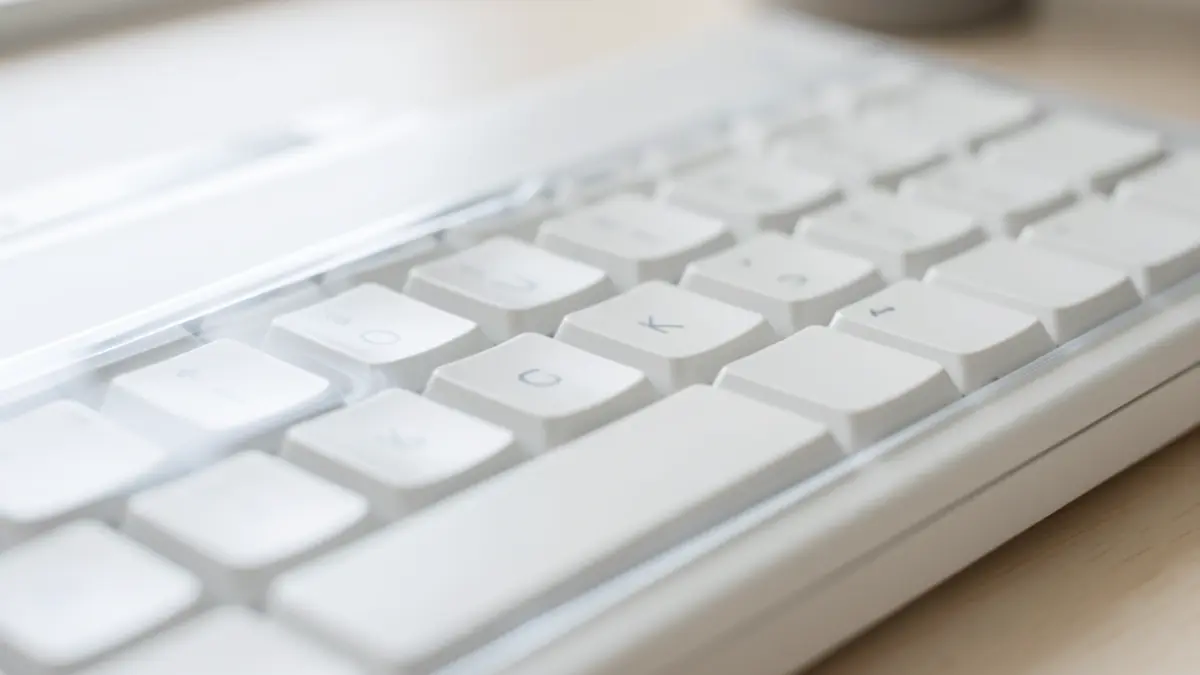
For electronic equipment, specific solutions like SealShield exist, including antimicrobial keyboards, mice, and screen protectors compatible with medical-grade cleaners. SealShield also features ElectroClave™, a UV-C disinfection device with cycles starting from 60 seconds.
Before integrating equipment into a disinfection routine, it's essential to specify the authorized product, application method, contact time, and parts to keep away from moisture. Manufacturer instructions and differentiating procedures for equipment with distinct characteristics are crucial. Frequency should be defined according to intended use, considering whether the equipment is shared and the environmental conditions. Alcora Salud Ambiental provides solutions adapted to material characteristics and intended use.