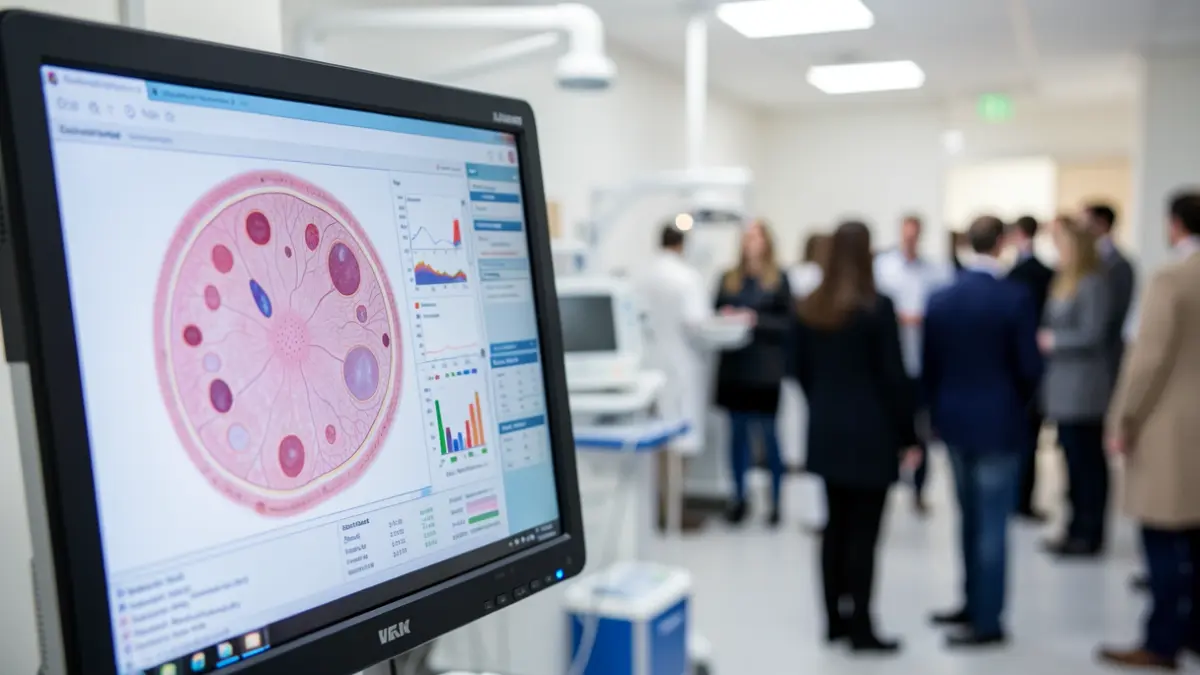
Researchers from the University of Alicante (UA) and staff from the Sant Joan d’Alacant University Hospital have developed MEL-IA (MobilE skin Lesion dIAgnosis), an artificial intelligence system designed to automate the classification of skin lesions. This system, which integrates a mobile application for lesion images and clinical information, an AI model for classification, and secure connections to hospital systems, has been deployed at the hospital for testing in a real healthcare setting.
Skin cancer is a global health concern, with nearly 1.5 million new cases projected for 2024 according to the WHO. Early detection is crucial, and MEL-IA aims to support healthcare personnel in lesion evaluation. Unlike other tools, MEL-IA differentiates between five types of lesions: melanoma, nevus, basal cell carcinoma, actinic keratosis, and benign keratosis.
Over 15,000 dermatoscopic images and clinical data have been used to train the model. The results show a global accuracy of 86%, with 88% sensitivity for melanoma detection and 92% for basal cell carcinoma. The system has processed 980 dermatological studies with response times under one second at the hospital.
The authors, professors from the UA and staff from the hospital's IT Service, highlight that the technology is now operational and allows for tracking lesion evolution. MEL-IA serves as a clinical decision support tool, with future steps including prospective studies and improving image acquisition via smartphones.