
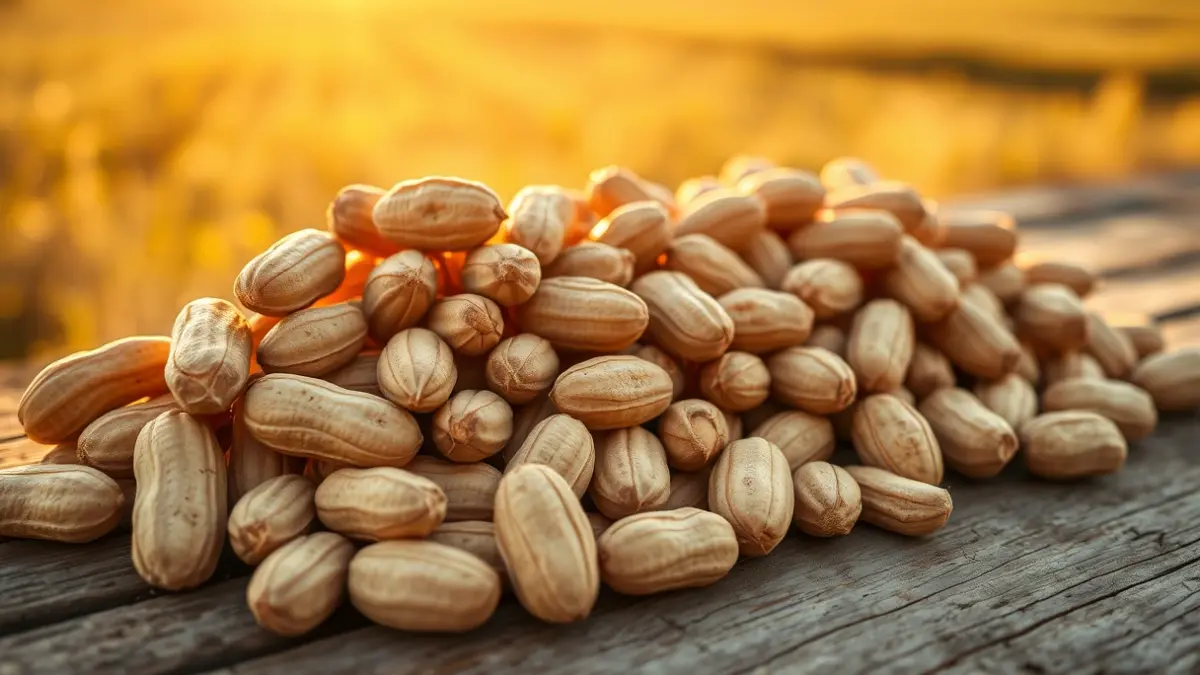
The Cacaus Climent initiative stems from the desire to keep alive native peanut seeds, whose cultivation area has been reduced from 8,000 hectares in the early 20th century to only 4 hectares today. This family project combines agricultural heritage with the decision to preserve a product that is in danger of extinction.
Cacaus Climent products can be purchased mainly through their online store and in selected physical stores. In addition, they collaborate with restaurants and artisan ice cream makers, such as Rubén de Esneu, who incorporate their peanuts into gourmet menus and special preparations.
“"What interests me least about gastronomy are trends. The image of many agro brands, cooperatives, congresses… is as if they had been frozen in a 90s aesthetic. The design and care for communication or the image that transcends are not evident. There is a long way to go in this aspect that would help many brands bring their products closer to the final consumer."
The cultivation and harvesting process of the peanuts is entirely manual, a task that the producer describes as the hardest part of their work. From uprooting the plants to selecting ripe peanuts, every step is carried out without mechanization, which guarantees the quality and authenticity of the final product. The goal is to be able to adapt machines in the future to perform the most laborious tasks and increase harvest volume.
The producer emphasizes the importance of consuming locally produced legumes and organic meat from projects that settle populations in rural areas, such as La Albarda. They also highlight the need to support primary sector producers to ensure the food sovereignty of our region and care for our landscapes.