The silver economy, also known as the silver economy, has experienced sustained growth in the last four years. Companies in this sector have increased by 46.5%, their turnover has grown by 36.4%, and related employment has risen by 42.3%. These figures highlight a field that addresses the needs arising from an aging population and increased life expectancy.
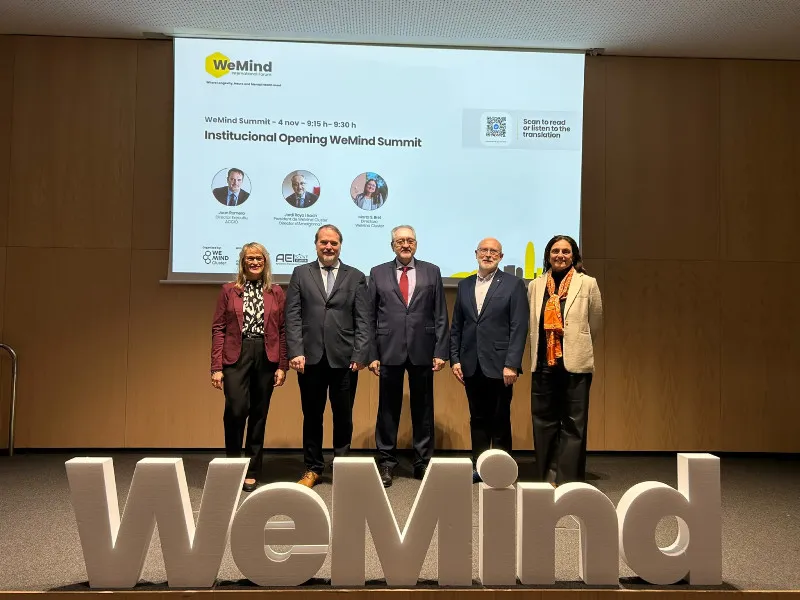
The study, conducted by ACCIÓ, the agency for business growth of the Departament d’Empresa i Treball, in collaboration with the WeMind Cluster, defines the silver economy as a transversal field encompassing various economic sectors, centered around longevity, well-being, and personal autonomy. The report was presented during the WeMind Summit, an event specializing in mental health and active aging organized by the WeMind Cluster as part of the Smart City Expo World Congress.
The analysis identifies four main segments in the silver economy's value chain: active aging and well-being (with a 63% growth in companies since 2022, including senior tourism, leisure, and digital solutions), health (the main economic segment with 293 companies, nearly 6 billion euros in turnover, and almost 15,000 professionals, highlighting the pharmaceutical industry, specialized food, and medical technologies), autonomy and quality of life (solutions to preserve independence such as hearing aids, telecare, and home automation), and care services (the segment with the most companies, 36%, and 62% of employment, including residences, day centers, and home care).
Approximately 89% of companies in the sector are over 10 years old, and more than a quarter are regular exporters. The study also identifies nearly 300 technology companies that account for over 35% of the turnover, underscoring the growing role of technology in the silver economy, with applications in digital health, artificial intelligence, medical devices, and the Internet of Things (IoT).
Catalonia is gaining international visibility as a hub for longevity innovation. Between 2016 and 2025, Catalan silver startups have attracted nearly 120 million dollars in venture capital, and Barcelona was ranked the top hub in the European Union for investment in this sector last year. International opportunities are concentrated in digital health, medical devices, artificial intelligence, and personalized medicine.
The aging of the population, a structural global trend, is becoming an economic opportunity. In Catalonia, individuals over 55 already represent more than a third of the total population, and it is projected that by 2070, nearly a third of Catalans will be 65 or older. The silver economy generates new business opportunities thanks to a larger, more active, and autonomous senior population.