Data from the Spanish brewers' association reveals a stagnation in beer consumption in recent years. In contrast, non-alcoholic beer is experiencing a boom. Last year, total beer production in Spain reached 41.5 million hectolitres, a slight increase of 0.5% compared to the previous year. Meanwhile, non-alcoholic beer production hit 3.3 million hectolitres, showing a notable growth of 4.6%.
Currently, non-alcoholic beer accounts for 14% of total consumption in the country, meaning one in every seven beers consumed contains no alcohol. This increase is noticeable in supermarkets, bars, and restaurants alike.
According to Marc Parrilla, head of the Food and Beverage Purchasing area at Bonpreu supermarkets, the consumer of non-alcoholic beer is older, typically between 45 and 55 years old. Bar owners in Barcelona confirm this trend, noting that demand has doubled in some weeks and that it is now considered a valid alternative to alcoholic beer.
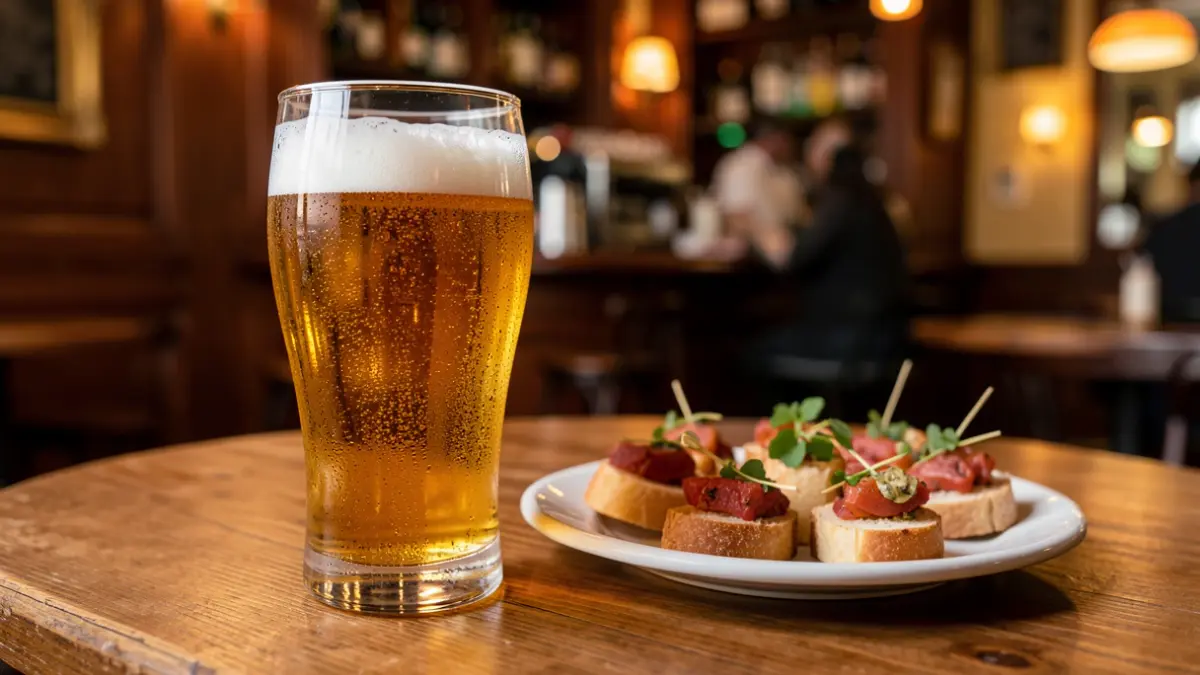
The brewers' association highlights that, despite the stagnation, beer remains the preferred drink to accompany tapas, with a preference exceeding 91%. Of this percentage, 17% corresponds to non-alcoholic beer consumers. Some consumers point out that while it's a good alternative, its availability in bars and restaurants could be even greater.
This shift in trend is explained by several factors, according to the association. These include a change in consumer habits towards a healthier lifestyle and the reduction of the maximum alcohol level allowed for driving. It is common for consumers of alcoholic beer to also opt for the non-alcoholic version at different times, which benefits the category.
The association's analysis also covers the consumption of spirits, where a reduction in quantity but a choice for quality is observed. While drinks like gin, whisky, and brandy are declining, vodka and rum consumption is increasing. Furthermore, daytime consumption is rising, favouring drinks typically consumed as aperitifs, such as Aperol.